

Ross 308 vs. Cobb 500 — it’s a decision nearly every broiler breeder faces, whether you’re starting your first flock or managing a large commercial operation. Both breeds are global leaders in poultry production, known for their rapid growth, feed efficiency, and consistent performance. But which one is truly the best fit for your farm? The answer depends on more than just numbers. It’s about matching the right bird to your environment, management style, market demands, and long-term goals. In this guide, we’ll break it all down so you can make an informed, confident decision. Let’s dive in.
Ross 308 vs. Cobb 500: Why Choosing the Right Breed Matters
Choosing between Ross 308 and Cobb 500 isn’t just about genetics—it’s about strategy. The breed you raise directly impacts your feed budget, production cycle, labor intensity, and ultimately, your profit margins.
Learn more about: Active Probiotic Yeast for Poultry
A mismatch can lead to inefficiencies, health challenges, or underperformance. On the other hand, a well-matched breed brings stability, predictability, and stronger returns. That’s why top poultry producers around the world weigh this choice carefully. It’s not one-size-fits-all—your location, infrastructure, and even climate play a role.
Growth Performance: Which Broiler Reaches Market Weight Faster?
Both Ross 308 and Cobb 500 are bred for speed—but their growth patterns differ slightly. Cobb 500 is known for its rapid early growth, reaching market weight in as little as 32–34 days under optimal conditions. This early maturity allows for more production cycles per year.
Learn more about: What Causes Sudden Death in Broilers: Key Factors and Solutions
Ross 308, while still quick-growing, typically reaches similar weights by 35–36 days, but with a more balanced growth curve. This helps reduce leg problems and supports better overall health in some flocks.
Real-world data from Southeast Asia and Latin America shows that in hot, humid climates, Cobb 500 tends to outperform in speed. However, in cooler or controlled environments, Ross 308 performs just as competitively with fewer spikes in mortality during peak growth.
Feed Conversion Efficiency: Saving Costs with the Right Breed
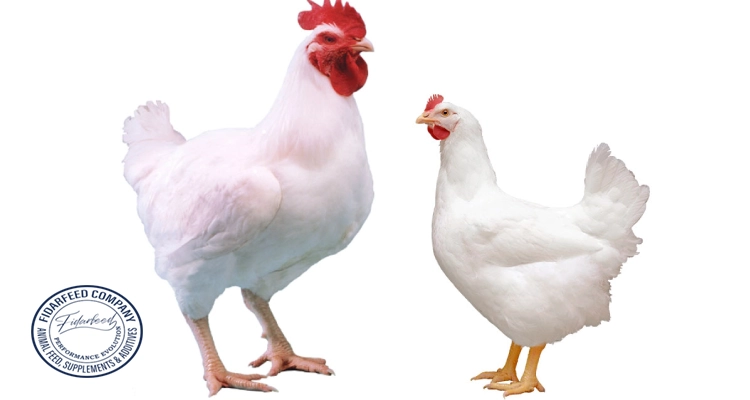
Feed is your biggest cost—often up to 70% of total production expenses. That’s where feed conversion ratio (FCR) becomes critical. Cobb 500 has a slight edge here, with FCRs as low as 1.45, compared to Ross 308’s 1.5 to 1.55 under similar conditions.
Learn more about: Cobb 500: The Broiler Breeder’s First Choice – Unveiled
That may seem small, but over 10,000 birds, even a 0.05 difference translates into significant savings in feed cost. However, Ross 308 shows more consistent feed intake and conversion when feed quality fluctuates—an advantage for breeders facing variable raw material supplies.
Meat Yield and Quality: What You Can Expect from Each Breed
If your market demands premium breast meat, the Ross 308 often leads with higher breast yield percentages, especially when birds are grown past 2.2 kg. This makes it attractive for processors focused on fillet and cut-up products.
Learn more about: Boosting Broiler Breeder Egg Production: A Comprehensive Lighting Guide
Meanwhile, Cobb 500 provides a more uniform carcass, with slightly higher thigh and drumstick proportions. This appeals to whole-bird markets and consumers who prefer dark meat cuts.
In terms of texture and flavor, both breeds score similarly in consumer taste panels, but Ross 308’s meat may appear slightly leaner, while Cobb’s has more marbling.

Health and Hardiness: Which Breed Handles Stress and Disease Better?
Your location and setup matter here. Cobb 500 tends to be more heat-tolerant and shows strong early resilience against diseases like coccidiosis and respiratory infections. This makes it a favorite in tropical countries and open-sided housing systems.
Learn more about: Guide to Choosing the Best Broiler Breed: Cobb 700 vs Cobb 500
Ross 308, while slightly more sensitive in high-stress conditions, shows excellent resistance to metabolic disorders, such as sudden death syndrome and ascites. With proper ventilation and biosecurity, its overall livability is very competitive.
Both breeds require strict vaccination programs, but Ross 308 may offer lower cumulative mortality rates in controlled environments.
Ross 308 vs. Cobb 500: What Do Real Breeders Say?
Carlos Mendoza, a breeder in Colombia, switched from Ross 308 to Cobb 500 due to his farm’s open-sided housing and high elevation. “The Cobb birds handled the environment better and gained faster,” he shares.
Learn more about: Using Medicinal Plants in Broiler Chicken Nutrition
On the other hand, Grace Lim, a contract grower in the Philippines, swears by Ross 308. “We get better breast meat for our processing contracts and fewer leg issues. Our integrator prefers it.”
These real-life stories show that experience varies based on region, infrastructure, and buyer demands—and there’s no single winner.
Housing, Feeding, and Management Needs: Are There Major Differences?
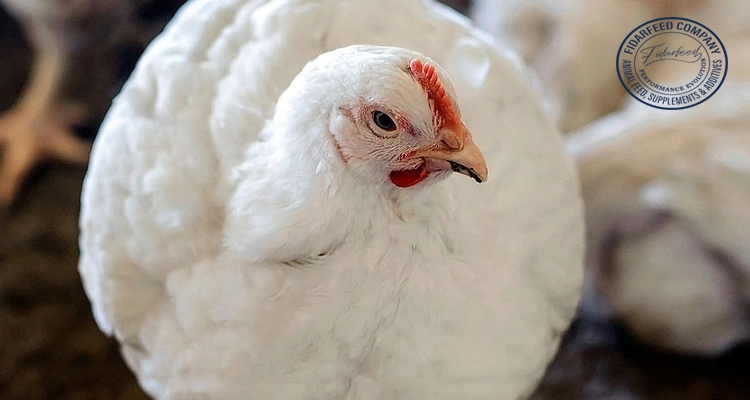
Not drastically—but Ross 308 typically requires slightly higher space allowance to reduce stress and leg strain due to its heavier upper body. Cobb 500 is a bit more forgiving in tighter spaces but demands consistent nutrition to maximize its rapid growth.
Learn more about: Key Strategies for Managing Temperature Stress in Broiler Chicken Farming
Lighting programs, temperature management, and litter quality must be optimized for both breeds, but Ross 308 benefits more from precision feeding during the grower phase, while Cobb 500 requires close monitoring in the first two weeks due to its fast metabolism.
Market Preferences: What Are Buyers and Processors Looking For?
Different markets, different priorities. In Middle Eastern and Asian markets, processors often prefer Ross 308 for its breast yield, which commands a higher price in fillet products.
In contrast, Latin American and African markets that focus on whole birds often lean toward Cobb 500 due to its consistent body size and excellent skin finish.
Learn more about: Coccidiosis in Broiler Chickens: Causes, Prevention, and Treatment
For breeders working with integrated companies or under contract, it’s essential to align with processor preferences—sometimes even shifting breeds to match changing demand.

Final Comparison: Ross 308 vs. Cobb 500 at a Glance
| Feature | Ross 308 | Cobb 500 |
|---|---|---|
| Growth Speed | Balanced growth (35–36 days) | Rapid early growth (32–34 days) |
| Feed Conversion | 1.5–1.55 | 1.45–1.5 |
| Breast Meat Yield | Higher | Moderate |
| Leg Strength | Strong (with space) | Moderate |
| Heat Tolerance | Moderate | High |
| Whole Bird Appearance | Good | Excellent |
| Adaptability to Stress | Better in cooler climates | Better in tropical conditions |
| Ideal For | Processed meat, breast cuts | Whole bird, fast turnover |
Making the Right Choice for Your Farm
So, Ross 308 vs. Cobb 500—which should you choose? The answer lies in your farm’s conditions, target market, and management capabilities. If you prioritize high breast meat yield, process for supermarkets, and have a climate-controlled house, Ross 308 might be your best bet. But if you need a robust, fast-growing bird that thrives in heat and gets to market weight quickly, Cobb 500 could deliver better results.
Take time to evaluate your specific goals. Consult with your integrator or nutritionist. Better yet, test both breeds in small batches before making a large commitment.
In the end, the best breed is the one that fits your system—not just the one with the flashiest numbers.

2 Comments. Leave new
It is very interesting and more valuable.
Thank you! I’m glad you found it interesting and valuable. Your feedback means a lot