
What Is the Cobb 500 Broiler Manual and Why Every Poultry Farmer Needs It
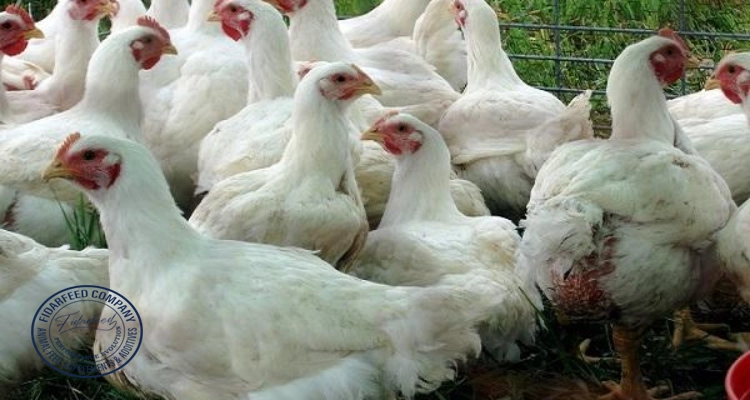
Cobb 500 Broiler Manual is more than just a handbook—it’s a roadmap to successful poultry farming. Whether you’re just starting out or managing large-scale production, this guide is packed with research-backed strategies to raise healthier, faster-growing birds. With rising feed costs, increasing market competition, and ever-changing environmental conditions, farmers need a reliable reference to maximize productivity while minimizing losses. That’s exactly where the Cobb 500 Broiler Manual shines. Stay with us to explore every aspect of this powerful resource and how it can elevate your broiler operations.
Understanding Cobb 500 Broilers: Traits That Make Them a Top Choice
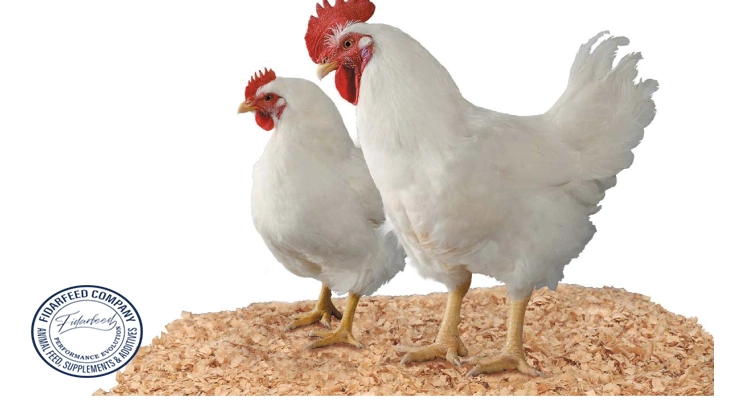
Why do so many farmers around the world prefer Cobb 500? Simply put: performance. These birds are known for their rapid weight gain, excellent feed conversion ratios (FCR), and strong adaptability to different climates.
Learn more about: Active Probiotic Yeast for Poultry
A Cobb 500 broiler can reach market weight in as little as 35-42 days, making them one of the most profitable breeds. Their robust genetics and uniform growth patterns mean less variability in your flock and more predictable outcomes—crucial for any business model.
Getting Started: What the Cobb 500 Broiler Manual Covers
The Cobb 500 Broiler Manual is structured to walk you through each stage of production. From chick placement and brooding to nutrition, health, housing, and harvesting, it offers detailed, actionable insights. This isn’t just theory—it’s based on global field trials and continuous updates from Cobb’s research teams. Every recommendation is grounded in data and shaped by years of experience.
Learn more about: Mastering the Basics: A Comprehensive Broiler Breeder Management Guide
Ideal Brooding Conditions According to the Cobb 500 Broiler Manual
Brooding is the foundation of broiler success. According to the manual, maintaining the correct temperature—starting at 32°C (89.6°F) and gradually reducing it—is vital in the first few days. Light plays a crucial role, too: chicks need 23 hours of light in the first week for optimal feed intake. Humidity should be maintained around 60-70% to prevent dehydration. Space is another key factor—the manual recommends 40-50 chicks per square meter during early brooding. Get this stage right, and you’re setting up your flock for a smoother grow-out phase.
Cobb 500 Nutrition Guide: Feeding for Maximum Growth and Profit
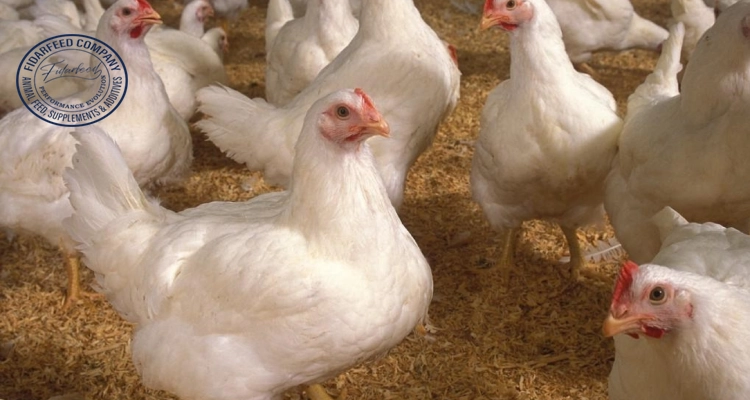
Feed represents up to 70% of production costs, so smart feeding strategies make a big difference. The Cobb 500 Broiler Manual breaks down feeding into starter, grower, and finisher phases. Each phase has tailored nutritional needs. For example, the starter feed should contain around 21-23% protein and adequate energy to support rapid early growth.
Learn more about: Cobb 500: The Broiler Breeder’s First Choice – Unveiled
The manual also stresses the importance of clean water—it’s often underestimated, yet vital for digestion and metabolism. Tools like automatic feeders and nipple drinkers can help ensure consistency.
Health Management Tips from the Cobb 500 Broiler Manual
A healthy flock is a productive one. The manual offers a preventive approach to disease management. That means scheduled vaccinations, biosecurity protocols, and regular flock inspections. Coccidiosis, Newcastle disease, and Infectious Bronchitis are common concerns, and the guide explains how to address each effectively. Don’t wait for symptoms to act; prevention is more cost-effective than treatment. Daily record-keeping and monitoring behavior can help detect issues early.

Housing and Ventilation: Create the Perfect Environment for Cobb 500 Broilers
Good housing isn’t just about shelter; it’s about control. Proper ventilation reduces ammonia levels, regulates temperature, and improves oxygen flow. The Cobb 500 Broiler Manual recommends tunnel ventilation or cross-ventilation, depending on the climate. Use of fans, curtains, and thermostats can significantly improve air quality.
Learn more about: What Causes Sudden Death in Broilers: Key Factors and Solutions
Litter management is another key area—keeping it dry reduces disease risks and improves bird comfort. Floor space recommendations vary, but overcrowding is always discouraged.
Performance Targets in the Cobb 500 Manual: What Success Looks Like
How do you know if your operation is on track? The manual sets clear benchmarks: by 35 days, Cobb 500 broilers should weigh around 2.2-2.5 kg with an FCR of 1.5 to 1.7. Mortality should stay below 5%. These metrics aren’t just numbers—they’re tools to measure your efficiency and guide improvements. If your birds fall short, the manual helps troubleshoot the possible causes, from feed quality to temperature control.
Expert Tips for Maximizing Profit with the Cobb 500 Broiler Manual
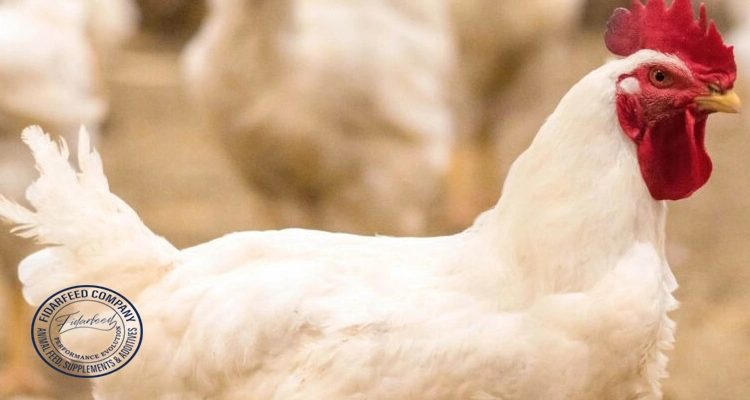
Seasoned farmers know that small tweaks can lead to big gains. The manual includes expert insights on batch planning, lighting programs, and minimizing feed wastage. For example, using multi-phase feeding based on body weight rather than age can boost efficiency.
Learn more about: The Ultimate Guide to Broiler House Ventilation
Another tip: don’t neglect downtime between flocks. Proper cleaning and disinfection help reset your system and reduce carryover of pathogens. Data collection is also emphasized—the more you track, the more you can optimize.
Cobb 500 Broiler Manual for Farmers in Challenging Markets
For breeders in regions facing trade restrictions or limited access to high-quality feed, the manual offers practical alternatives. It suggests local ingredient substitutions and low-cost housing modifications. For instance, using rice bran or sunflower meal as partial protein sources, or setting up semi-open sheds with natural airflow
Learn more about: Boosting Broiler Breeder Egg Production: A Comprehensive Lighting Guide
The guide acknowledges that one size doesn’t fit all and offers flexible strategies that can be adapted to local realities.

Final Thoughts: Why Following the Cobb 500 Broiler Manual Pays Off
In a competitive market, informed decisions make all the difference. The Cobb 500 Broiler Manual isn’t just a set of instructions—it’s a dynamic, science-driven resource for boosting efficiency, profitability, and flock health. Whether you’re running a small operation or managing thousands of birds, following the guidelines can help you get better results with fewer setbacks.
Now it’s your turn. Have you used the Cobb 500 Broiler Manual in your own poultry farm? What strategies worked best for you? Share your experiences in the comments below, ask questions, or start a conversation with fellow farmers. Let’s build a smarter, more connected poultry community—together.

2 Comments. Leave new
How do you manage cobb 500 during brooding
2 died during brooding on the second and third day
What’s the idea temperature
Hi there,
Brooding is the most critical stage for Cobb 500 chicks because what happens during the first week sets the foundation for their growth, health, and survival rates. Let me address your concerns in detail:
1. Ideal Temperature:
According to the Cobb 500 Broiler Manual, the brooding temperature should start at 32–33°C (89.6–91.4°F) at chick level during placement. Then, reduce the temperature gradually by 2–3°C per week until it reaches 21–22°C (69.8–71.6°F) by the third or fourth week.
• If chicks are huddling tightly under the heat source, the temperature is too low.
• If they are moving away from the heat and panting, it’s too high.
• Ideally, they should be evenly spread, calm, and active.
2. Ventilation and Humidity:
• Keep relative humidity at 60–70% during the first week to prevent dehydration.
• Ensure there’s enough fresh air to avoid ammonia build-up, but avoid direct drafts.
3. Why Deaths May Occur on Day 2–3:
Early mortality is often linked to:
• Incorrect brooding temperature (too hot or too cold).
• Weak chicks from hatchery stress or transport.
• Lack of easy access to clean, warm drinking water and starter feed.
• Overcrowding, poor litter quality, or improper lighting.
4. Practical Tips to Improve Brooding Success:
• Provide clean, lukewarm water immediately after placement (25–30°C).
• Ensure 23 hours of light during the first week to encourage feed and water intake.
• Use a high-quality starter feed (21–23% protein) to support early growth.
• Maintain recommended stocking density: 40–50 chicks per m² during the brooding phase.
• Observe chick behavior frequently—they are the best indicator of comfort.
5. Additional Advice:
I suggest reviewing the “Ideal Brooding Conditions” section of this article again and checking the full Cobb 500 Broiler Manual for detailed day-by-day recommendations.