The Power of Balanced Nutrition goes beyond just providing food; it is the foundation of a cow’s health, happiness, and productivity. When cows receive a well-balanced diet, they produce high-quality milk, stay disease-free, and live longer. But nutrition is more than just filling their stomachs, it’s about meeting their physical and emotional needs. A well-fed, stress-free cow is a productive cow, and that’s exactly what every dairy farmer strives for. So, what does it take to keep your cows both happy and well-nourished? Let’s explore the key factors behind balanced nutrition and its impact on milk production.
Why a Happy Cow Produces Healthier Milk
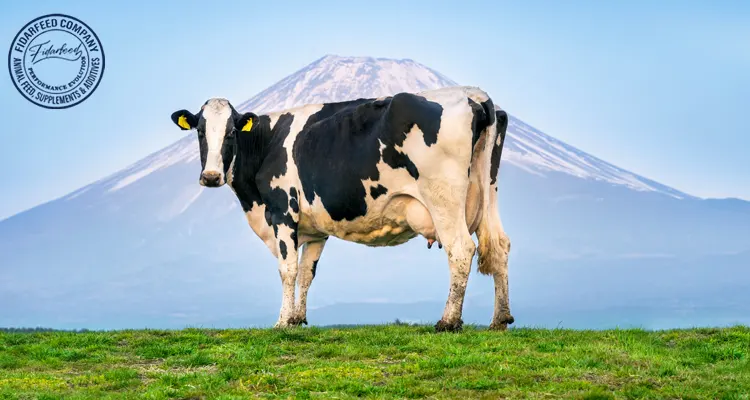
A happy cow is a productive cow. Scientific research has shown that stress negatively impacts milk yield and quality. Cows experiencing discomfort, whether due to poor diet, inadequate housing, or stress, produce less milk with lower nutritional value.
Learn more about: Top Tips for Liking the Best Livestock Probiotic Supplier
When cows are well-fed and kept in a comfortable environment, their bodies allocate more energy toward milk production rather than stress responses. This is why leading dairy farms focus not only on nutrition but also on cow comfort, ensuring their animals have ample space, fresh air, and a stable routine.
Understanding the Role of Balanced Nutrition in Dairy Farming
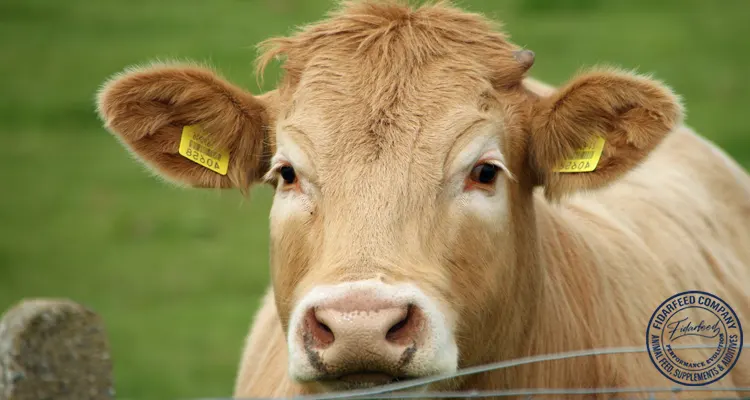
Balanced nutrition is the backbone of efficient dairy farming. Cows require a mix of carbohydrates, proteins, fats, vitamins, and minerals to maintain their health and sustain milk production. Poor nutrition can lead to metabolic disorders, reproductive issues, and reduced immunity.
Learn more about: Zeolite: Unlock Better Digestion and Superior Livestock Health
Moreover, nutrient deficiencies or excesses can directly affect milk composition, altering fat and protein levels. Farmers who invest in a scientifically formulated diet see increased milk yields and healthier cows, making nutrition a critical aspect of dairy success.
Key Ingredients for a Nutritious and Balanced Cow Diet
A cow’s diet should include a mix of high-quality forages, grains, proteins, and essential nutrients. Some key dietary components include:
Forage (Hay, Silage, and Pasture): The primary source of fiber, essential for digestion and preventing bloating.
Grains (Corn, Barley, Oats): Provide energy and help increase milk production.
Learn more about: Why Ready-Made Feed is the Ideal Choice for Modern Farmers
Protein Sources (Soybean Meal, Alfalfa, Cottonseed): Vital for muscle growth, milk synthesis, and overall health.
Vitamins and Minerals (Calcium, Phosphorus, Magnesium, Selenium): Essential for bone strength, metabolism, and immune function.
Water: The most overlooked yet crucial component, cows need clean, fresh water at all times to stay hydrated and support digestion.
The Impact of Proper Feeding on Milk Quality and Quantity
A well-balanced diet doesn’t just increase the volume of milk produced; it enhances its quality. Cows fed a nutrient-rich diet produce milk with higher protein and fat content, making it more valuable for dairy processing.
Learn more about: Wholesale Animal Feed: Everything You Need to Know
For example, studies show that a diet rich in Omega-3 fatty acids and essential minerals improves the taste, texture, and shelf life of milk. On the other hand, nutrient imbalances, such as excessive grain consumption, can lead to health issues like acidosis, ultimately reducing milk quality.

Common Feeding Mistakes That Harm Milk Production
Many dairy farmers, both experienced and new, unknowingly make feeding errors that can affect their herd’s productivity. Some of the most common mistakes include:
Inconsistent Feeding Schedules: Irregular meal times can disrupt digestion and stress cows, leading to lower milk yields.
Overfeeding Grains: While grains provide energy, excessive amounts can cause bloating, metabolic disorders, and digestive problems.
Learn more about: Effective Vaccination Methods Against Avian Pox
Ignoring Mineral Deficiencies: Lack of essential minerals can lead to weak bones, poor reproductive health, and reduced milk production.
Providing Low-Quality Forage: Poor-quality hay or silage can introduce toxins, leading to digestive issues and overall poor health.
Not Supplying Enough Water: Even the best diet won’t be effective if cows don’t have continuous access to clean water.
Practical Tips for Keeping Your Cows Happy and Well-Nourished
Ensuring optimal nutrition for dairy cows involves more than just feeding them the right ingredients—it requires careful management and monitoring. Here are some practical tips to keep your cows thriving:
Maintain a Consistent Feeding Routine: Cows thrive on routine, so feed them at the same times each day.
Monitor Body Condition: Regularly check your cows’ body condition scores to detect nutritional deficiencies early.
Learn more about: TMR Silage as Complete Feed: Benefits for Dairy Cows
Offer Free-Choice Mineral Supplements: Providing mineral blocks or loose minerals helps prevent deficiencies.
Improve Cow Comfort: Ensure cows have clean, dry bedding, proper ventilation, and stress-free living conditions.
Consult a Nutritionist: Work with an expert to formulate the best diet based on your herd’s specific needs.
The Future of Dairy Farming: Sustainable and Nutritious Feeding Practices
As the dairy industry evolves, sustainable nutrition practices are becoming increasingly important. Farmers are shifting toward precision feeding, which tailors diets to individual cows, reducing waste and optimizing productivity. Additionally, many are exploring alternative feed sources like byproducts from other agricultural industries (e.g., brewers’ grains) to enhance sustainability while maintaining nutrition quality. Organic and regenerative farming methods are also gaining popularity, focusing on chemical-free feeding and environmentally friendly grazing techniques.
Investing in sustainable nutrition not only improves milk production but also ensures the long-term health of dairy farms. By prioritizing balanced feeding, cow welfare, and eco-friendly practices, the future of dairy farming looks brighter than ever.
Conclusion
Happy cows truly do produce healthier milk, and the key to their happiness lies in proper nutrition. A well-balanced diet not only boosts milk quality and quantity but also ensures the long-term health and productivity of dairy herds. By avoiding common feeding mistakes, implementing best practices, and embracing sustainable nutrition strategies, farmers can create an environment where cows thrive.
What are your thoughts on balanced nutrition for dairy cows? Have you faced any challenges in maintaining an optimal diet for your herd? Share your experiences in the comments below!