
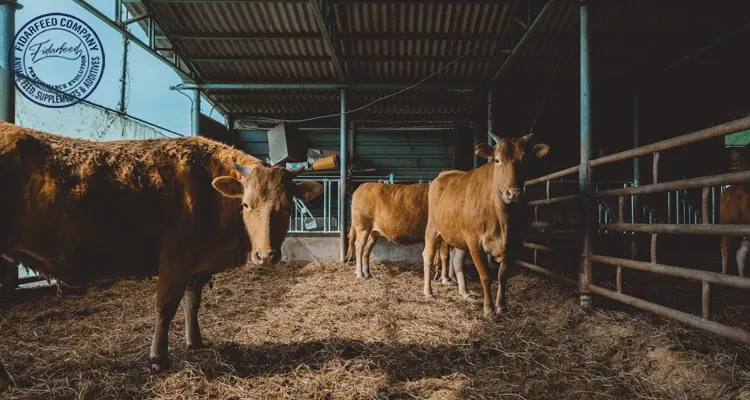
How TMR Silage Cuts Down Veterinary Expenses in Livestock Farming is not just a catchy phrase — it’s a powerful truth experienced by many successful livestock breeders today. If you’re raising cattle, sheep, or goats, whether you’re a seasoned expert or just starting out, one thing remains constant: animal health directly impacts your profit margins. Veterinary bills can quickly become overwhelming, especially when they’re the result of preventable issues. Fortunately, smart feeding practices — like Total Mixed Ration (TMR) silage — can make a significant difference. In this article, we’ll explore how TMR silage strengthens animal health, reduces vet visits, and boosts overall productivity. Read on to discover how this feeding method can be a game changer for your operation.
What Is TMR Silage and Why It Matters in Livestock Farming
TMR Silage is a method of feeding livestock where all dietary components — forages, grains, minerals, and additives — are mixed together into a balanced, consistent ration. Unlike traditional feeding systems where animals may select only the parts they like, TMR ensures every bite delivers complete nutrition.
Learn more about: Silage Starter
What makes TMR silage unique is its integration with ensiled (fermented) forages, which preserves nutrients, enhances digestibility, and improves shelf life. It reduces feed sorting and guarantees that each animal consumes the intended balance of energy, protein, fiber, and micronutrients. This balanced approach has a direct and positive effect on animal health.
The Hidden Costs of Poor Nutrition in Livestock Health
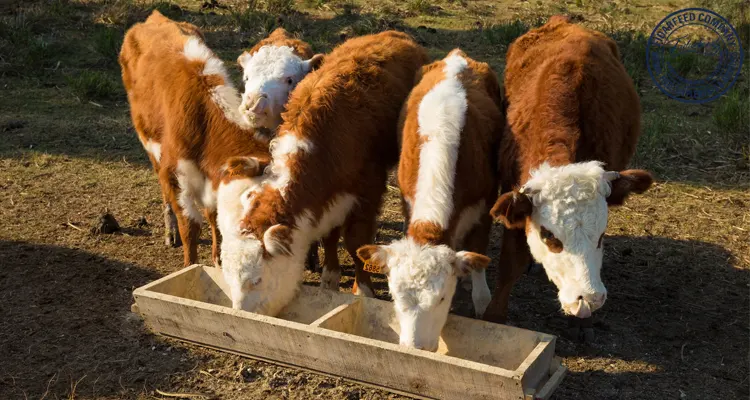
Feeding gaps — even small ones — can lead to big problems. Nutritional imbalances compromise immune function, making animals more susceptible to diseases such as mastitis, ketosis, lameness, and respiratory infections. These conditions often require repeated veterinary intervention and medication, which adds up quickly.
Learn more about: Did You Know Livestock Productivity with TMR Silage Can Double?
For instance, subclinical acidosis, caused by inconsistent feeding or high-concentrate diets, often goes unnoticed until it turns into serious digestive issues. These hidden problems cost breeders time, money, and productivity. Inadequate nutrition also delays growth and reproduction, further shrinking profits.
How TMR Silage Supports a Stronger Immune System in Livestock
Well-fed animals are naturally more resistant to disease. TMR silage provides a stable nutrient intake that supports a healthy rumen environment, optimal digestion, and better absorption of vitamins and minerals — all of which are essential for a robust immune system.
Learn more about: What Is TMR Silage and Why Is It a Smart Choice for Livestock Feed?
Scientific studies have shown that cows fed on balanced rations are less prone to metabolic and infectious diseases. For example, the inclusion of proper fiber levels in TMR maintains rumen pH, reducing digestive disorders. As immunity improves, animals fight off pathogens more efficiently, minimizing the need for antibiotics and veterinary interventions.
TMR Silage as a Preventive Health Strategy
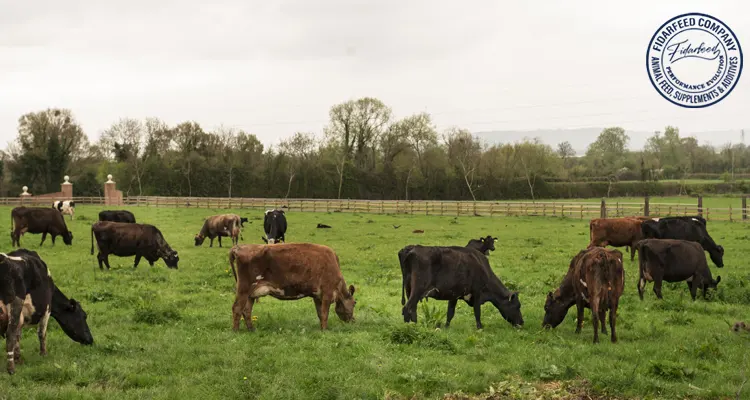
Think of TMR silage as daily preventive medicine. Consistency in feeding minimizes stress and stabilizes the animal’s digestive system. Animals thrive when they receive the same high-quality nutrients every day — it prevents spikes and crashes in energy or protein levels.
Learn more about: Is Corn Silage Good for Cows? The Pros and Cons Explained
Many health issues in livestock, such as displaced abomasum or sudden weight loss, are linked to erratic feeding. TMR silage eliminates such fluctuations. By preventing problems before they begin, it reduces long-term veterinary costs and enhances animal welfare.
Real-Life Examples: How TMR Silage Reduced Vet Costs on Farms
One dairy farm that switched to TMR silage reported a 30% drop in veterinary expenses within six months. Calving complications, mastitis cases, and metabolic disorders like milk fever all declined noticeably. Another breeder of beef cattle observed faster weight gain and fewer respiratory infections in calves after adopting TMR.
Learn more about: TMR Corn Silage: A Complete Guide for Dairy and Beef Farmers
While each farm is different, the pattern is clear: healthier animals require fewer treatments. These real-life successes highlight how feeding systems directly impact the bottom line.

Common Veterinary Issues Avoided Through Proper TMR Feeding
A properly formulated TMR silage can prevent many common — and expensive — veterinary issues:
-
Bloat: Balanced fiber and energy in TMR reduce gas buildup.
-
Acidosis: Controlled starch levels and effective fiber help maintain rumen pH.
-
Lameness: Mineral balance (especially zinc and biotin) improves hoof health.
-
Reproductive Problems: Steady energy levels support fertility and reduce calving issues.
-
Mastitis: Balanced protein and micronutrients strengthen immune defense.
Learn more about: TMR Silage Production: A Farm-to-Feed Process
All of these benefits add up to fewer vet calls, less stress, and more time focusing on productivity rather than crisis management.
Economic Benefits Beyond Veterinary Savings
The financial impact of TMR silage goes well beyond medical cost savings. Efficient feeding leads to:
-
Better feed conversion rates
-
Faster growth in young stock
Learn more about: Common Challenges in TMR Silage and How to Solve Them
-
Improved milk yield and quality
-
Enhanced fertility and shorter calving intervals
These improvements lead to higher profits. For example, when a herd reaches target weights faster or a cow produces more milk with the same or less feed, the return on investment becomes clear and measurable.
How to Start Using TMR Silage on Your Farm
Getting started with TMR silage doesn’t have to be overwhelming. Here’s a simple roadmap:
-
Assess Your Forage Quality – Use well-preserved silage that’s properly fermented.
-
Work with a Nutritionist – Formulate rations based on your herd’s needs.
-
Invest in Mixing Equipment – Ensure uniform blending of all ingredients.
-
Introduce Gradually – Let animals adapt over several days to the new system.
-
Monitor Performance – Track weight gain, milk output, and health indicators.
Start small if necessary, and scale as you build confidence in the process.
Is TMR Silage Right for Your Operation?
While TMR silage is highly effective, it’s important to evaluate whether it fits your setup. Larger herds benefit more due to scale, but small to medium farms can also implement TMR with proper planning.
Ask yourself:
-
Do I have access to quality forages?
-
Can I store and mix ingredients properly?
-
Am I willing to adjust routines for long-term health gains?
If you’re committed to healthier animals and lower costs, TMR is a step in the right direction.
Final Thoughts: Healthier Herds and Healthier Profits with TMR Silage
In today’s competitive livestock industry, every decision matters. TMR silage is more than just a feeding method — it’s a strategic approach to animal care. By delivering balanced nutrition consistently, it strengthens immunity, reduces disease, and ultimately cuts veterinary expenses.
Whether you’re aiming to improve productivity, reduce losses, or simply ensure your animals live healthier lives, TMR silage offers a proven, science-backed solution. It’s not only a choice for better feeding — it’s a long-term investment in your herd’s health and your business’s sustainability.
If you’ve already tried TMR or are considering it, we’d love to hear your thoughts. Drop your questions, experiences, or challenges in the comments below. Let’s learn from each other and grow together — one healthy animal at a time.

2 Comments. Leave new
Hi there to all, how is the whole thing, I think every one is getting more from this
website, and your views are good for new people.
Hi! I’m glad to hear that you find the content useful. I hope you continue to enjoy it. If you have any thoughts or suggestions, I’d love to hear them!