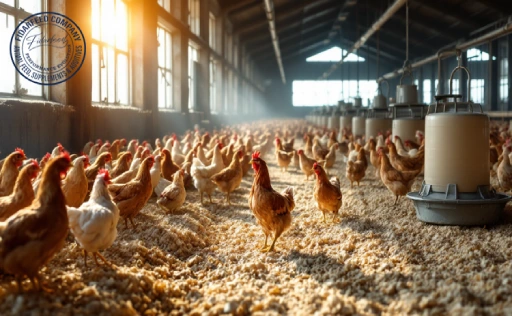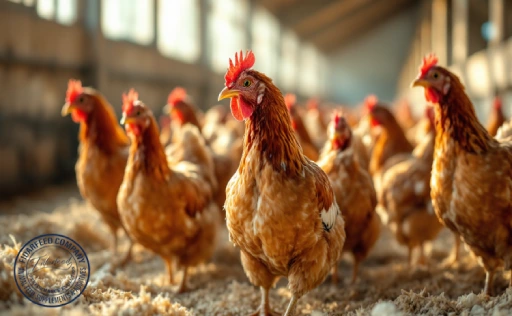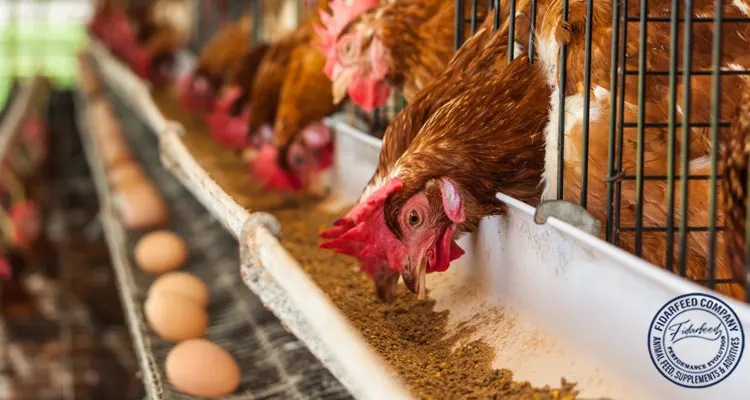
Starting an egg laying chicken business can be an exciting and profitable venture for both novice and experienced breeders. With the global demand for eggs on the rise, venturing into the egg production industry offers a range of benefits, from steady cash flow to low entry barriers. But, like any business, it requires planning, investment, and attention to detail. Whether you’re aiming for a small-scale operation or a larger commercial farm, this guide will take you through the essential steps to successfully launch your egg laying chicken business.
Why Start an Egg Laying Chicken Business? Understanding the Opportunity
The egg production industry has consistently been one of the most profitable sectors in agriculture. Eggs are a staple food in many diets, and their versatility in cooking and baking ensures steady demand. Starting an egg laying chicken business offers many advantages. Not only can you benefit from regular income, but the startup costs are relatively low compared to other livestock businesses like beef or dairy farming.
Learn more about: Active Probiotic Yeast for Poultry
In Iran, as in many other parts of the world, egg consumption is on the rise, creating an even greater demand for locally produced eggs. Moreover, eggs are easy to market, store, and distribute, making them a great option for both new and experienced entrepreneurs in the agriculture sector. As long as you invest in good practices and manage your flock well, you can build a successful, sustainable business.
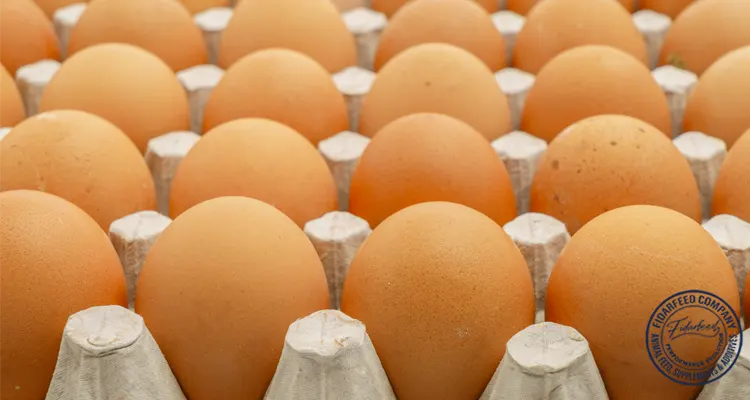
Planning Your Egg Laying Chicken Business: Key First Steps to Take
Before diving into egg laying chicken farming, proper planning is essential to lay a solid foundation for your business. Start by asking key questions like:
-
Where will your farm be located? The location plays a significant role in your business’s success. Access to reliable water sources, good transport links, and proximity to markets are important factors to consider.
-
How many hens will you start with? It’s advisable to start with a manageable number to reduce initial risk while you learn the ropes of egg production. You can scale up gradually as you gain experience.
-
What equipment do you need? Your farm will need appropriate housing, egg collection tools, feed and water systems, and waste management systems.
Learn more about: Broiler Chicken Health at Risk? Know the Signs of Dysentery
Creating a business plan is a must. This plan should outline your goals, market research, target customers, investment estimates, and strategies for scaling the operation. A well-thought-out plan will help you stay organized and on track as you grow your business.
Choosing the Right Chicken Breed for Egg Production
Selecting the right breed of chicken is critical to the success of your egg laying business. Not all breeds are equally productive, and each comes with its unique traits. Some factors to consider when choosing a breed include:
-
Egg Production Rate: The most important factor for egg laying businesses is how many eggs a hen can lay over a year. Breeds like the Leghorn and Hy-Line Brown are known for their high egg production rates.
-
Feed Efficiency: The breed should be efficient in converting feed into eggs. Chickens that are good feed converters will minimize feed costs, which is vital for profitability.
-
Climate Suitability: Make sure the breed is suited to the climate in your area. Some chickens are more heat-tolerant, while others are better adapted to colder climates.
Other breeds to consider include the Rhode Island Red and Isa Brown, which are renowned for their resilience, egg production, and disease resistance.
Setting Up the Perfect Environment for Your Layer Hens
Creating a safe, clean, and comfortable environment for your chickens is vital to ensure their well-being and high productivity. Here are key factors to consider:
-
Housing: Your chickens need proper housing to protect them from extreme weather and predators. Ensure the henhouses are well-ventilated, with sufficient space for all your chickens to move freely.
-
Nesting Boxes: These should be comfortable and clean, as hens need a quiet and safe place to lay eggs. Provide one box per 3-4 hens to avoid overcrowding.
-
Lighting: Chickens need 14-16 hours of light per day to maintain consistent egg production. In regions with short daylight hours, you may need to use artificial lighting to extend the day.
Learn more about: Cobb Chicken Breeds: An Overview
Investing in quality housing and a good setup will help prevent health issues and improve the overall productivity of your flock.
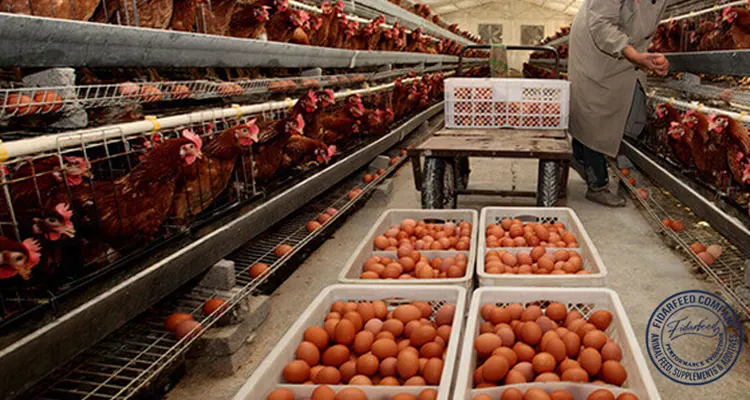
Feeding and Nutrition: Ensuring Healthy and Productive Layers
To ensure maximum egg production, your chickens need a well-balanced diet that supports their health and productivity. High-quality feed is essential for laying hens to produce eggs consistently. The basic components of a layer’s diet include:
-
Protein: Laying hens require a protein-rich diet to maintain energy and egg production. A good layer feed should contain 16-18% protein.
-
Calcium: Calcium is vital for egg shell formation. You can supplement their diet with calcium carbonate or oyster shells to ensure strong, healthy eggs.
-
Vitamins and Minerals: Ensure that your chickens’ diet includes a variety of essential vitamins and minerals, including Vitamin D for calcium absorption.
Learn more about: The Chicken Egg Production Cycle: A Comprehensive Overview
Additionally, providing clean, fresh water at all times is crucial for maintaining egg production and overall health.
Maintaining Chicken Health: Preventing Diseases and Managing Vaccinations
Healthy hens are productive hens. Preventing diseases and managing the health of your chickens is vital for the long-term success of your business. Key practices include:
-
Regular Vaccinations: Prevent common poultry diseases like Marek’s disease and avian influenza by vaccinating your flock. Work with a local veterinarian to develop a vaccination schedule.
-
Biosecurity: Maintain strict biosecurity practices to prevent disease outbreaks. This includes limiting farm access, disinfecting equipment, and controlling rodent populations.
-
Parasite Control: External parasites like mites and lice can significantly affect the health of your chickens. Regularly check your flock for signs of infestations and treat them accordingly.
By maintaining good health practices, your hens will lay eggs consistently and produce better-quality products.
Egg Collection and Handling: Maximizing Quality and Efficiency
Efficient egg collection and handling can minimize egg breakage, contamination, and ensure eggs are fresh for market. Here’s what you need to know:
-
Frequent Collection: Collect eggs at least twice a day to avoid contamination and breakage. The eggs should be gently handled and stored in clean, dry conditions.
Learn more about: Smart Chicken Waste Management: Sustainable Solutions for Poultry Farmers
-
Storage: Store eggs at a temperature of 10-13°C (50-55°F) to maintain freshness. Avoid washing eggs before storage, as the protective coating can be damaged, reducing their shelf life.
-
Packaging: Proper packaging is crucial for presenting your eggs to customers. Use clean, sturdy cartons to protect eggs during transport.
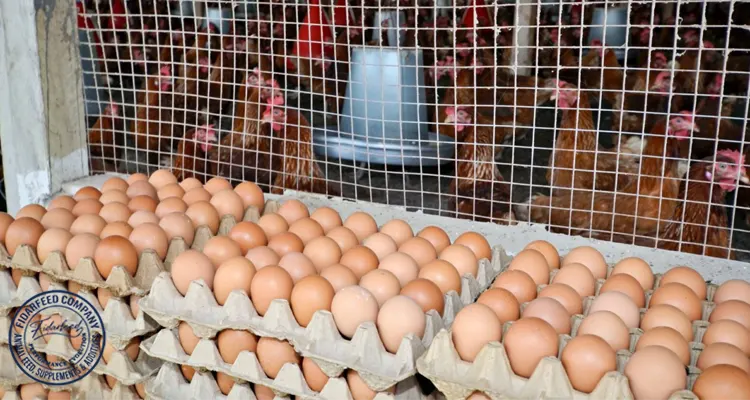
Marketing Your Eggs: How to Build a Customer Base
Marketing plays a crucial role in the success of your egg laying business. Consider these strategies:
-
Identify Your Market: Are you selling directly to consumers, or targeting local grocery stores and restaurants? Identify your primary customers to tailor your marketing efforts.
-
Branding and Packaging: Create a recognizable brand and use attractive packaging to appeal to consumers.
-
Pricing: Research local prices and set competitive rates for your eggs. Consider offering discounts for bulk purchases or long-term contracts.
Learn more about: How Stocking Density Affects Chicken Health and Egg Laying
Building relationships with your customers and ensuring the quality of your eggs will help you retain a loyal client base.
Cost Management and Profitability: Budgeting for Success
Effective cost management is key to ensuring profitability in your egg laying chicken business. Keep track of all expenses, including:
-
Feed and Nutrition Costs: Feed will be your largest ongoing expense. Make sure you’re getting the best value while maintaining quality.
-
Labor and Maintenance Costs: Factor in the cost of labor for daily farm operations and any maintenance or repairs needed for your equipment and housing.
Learn more about: Daily Chicken Care Checklist: A Comprehensive Guide
By keeping a close eye on expenses and implementing efficient practices, you can maintain a profitable business model.
Conclusion: Taking Your First Step Toward a Successful Egg Laying Business
Starting an egg laying chicken business is a rewarding and profitable venture. By following these essential steps — from planning and breed selection to feeding and marketing — you can set up a thriving business that delivers consistent results. Whether you’re just starting out or looking to expand your current operation, focusing on the health of your chickens, managing costs, and maintaining high-quality production will ensure long-term success.
Are you ready to take the first step toward building your own egg laying chicken business? Share your thoughts, questions, or experiences in the comments below — we’d love to hear from you!