Chicken Feed Stages are the foundation of successful poultry farming. Whether you’re raising layers, broilers, or a mixed flock, knowing what to feed your chickens at every stage of life is critical to their health, growth, and productivity. From the first week of a chick’s life to its peak laying or market age, each phase demands specific nutrients. In this complete guide, we’ll walk you through every feed stage, demystify common mistakes, and equip you with expert tips to nourish your flock with confidence.
Why Knowing Chicken Feed Stages Matters for Poultry Success
Understanding chicken feed stages isn’t just a technical detail—it’s a practical tool for improving flock outcomes. Each stage of a chicken’s life comes with different nutritional needs. Meeting these needs at the right time results in:
- Better growth rates
- Lower mortality
Learn more about: Active Probiotic Yeast for Poultry
- Stronger immunity
- Higher egg production or meat yield
Failing to match feed to the stage can result in undernourished birds, poor performance, and wasted resources. A solid grasp of feed stages empowers you to run a healthier, more efficient, and more profitable poultry operation.
Starter Feed (0–6 Weeks): Giving Chicks the Best Possible Start
The first six weeks of a chick’s life are crucial. During this brooding phase, chicks grow rapidly and build their immune systems. Starter feed is typically high in protein—around 20% to 24% depending on the breed—and finely crumbled for easy digestion. It also contains essential amino acids, vitamins, and sometimes medications to prevent early diseases like coccidiosis.
Learn more about: Optimizing Poultry Diets: Processed Meat Meal in Animal Feed for Enhanced Protein
Real-world tip: Keep fresh starter feed accessible at all times and ensure waterers are always clean. Chilled chicks with poor access to feed and water may fall behind their peers quickly.
Grower Feed (6–14 Weeks): Supporting Steady and Healthy Growth
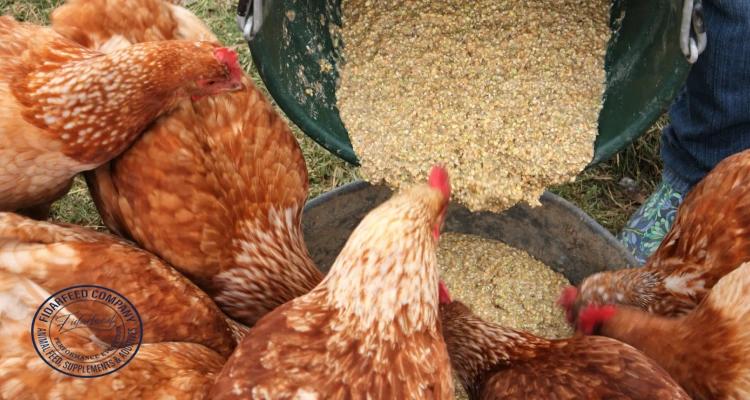
As your chicks transition into juveniles, it’s time to switch to grower feed. This formulation typically contains 16% to 18% protein and focuses more on steady body development than rapid growth. Grower feed promotes skeletal strength and internal organ development.
Learn more about: Smart Chicken Waste Management: Sustainable Solutions for Poultry Farmers
At this stage, overfeeding or supplementing with high-calorie treats can lead to obesity or poor feather quality. Be consistent with feeding schedules and maintain clean, dry feeding areas to prevent mold or contamination.
Developer Feed (14–20 Weeks): Transitioning Toward Maturity
In this stage, pullets (young hens) and cockerels (young roosters) start nearing sexual maturity. Developer feed usually lowers protein content slightly to 14% to 16% and prepares birds for their adult roles—either egg production or market weight.
One key shift here is calcium management. Avoid introducing high-calcium layer feed too early, as it can damage kidneys and slow development. Instead, stay on developer feed until you see the first signs of laying or reach 18 to 20 weeks.
Layer Feed (20+ Weeks): Fueling Egg Production the Right Way
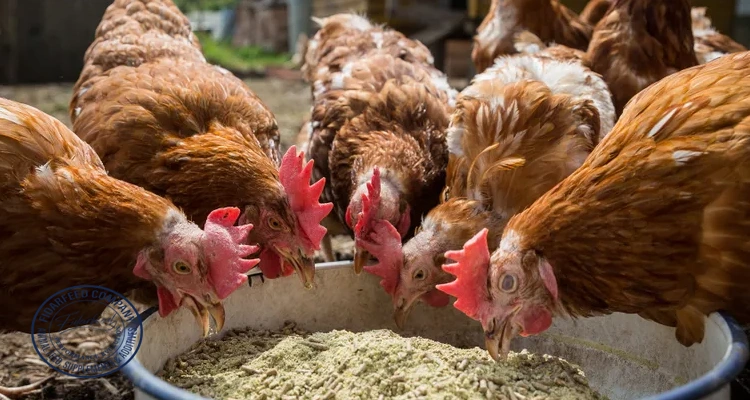
Once your hens begin to lay, it’s time to provide layer feed. This mix includes:
- 16% to 18% protein
- 3% to 4% calcium for strong eggshells
- Balanced phosphorus and vitamin D3
Learn more about: The Ultimate Poultry Breeder Management Guide: Boost Your Flock’s Productivity
Layer feed helps maintain energy, egg size, and consistent production. You can also offer crushed oyster shells separately for calcium if needed.
Lighting matters too. Gradual light increase (up to 16 hours/day) supports sustained laying, especially in winter months.
Broiler Feed Stages: Tailored Feeding for Fast-Growing Meat Birds
Broilers are a different game entirely. Their rapid growth means their feed needs change quickly:
- Starter feed (0–3 weeks): 22% to 24% protein for muscle development
- Grower feed (3–6 weeks): 20% protein to sustain growth
- Finisher feed (6+ weeks): 18% protein with more energy to support final weight gain
Learn more about: Cobb 500 Broiler Manual: Your Complete Guide to Profitable Poultry Farming
Too much protein late in the cycle can strain kidneys, so timing your transitions is key. Always provide broilers with ample space to move and prevent leg issues linked to rapid weight gain.
Common Mistakes in Chicken Feed Stages and How to Avoid Them
Even experienced farmers make feed-stage mistakes. Here are a few to watch for:
- Switching feed too early or late: Causes nutrient imbalance
- Skipping developer feed: Overloads young hens with calcium
Learn more about: Daily Feed Prices for Livestock, Poultry & Aquaculture: Quality vs. Cost
- Using one feed type for all ages: Ignores specific growth needs
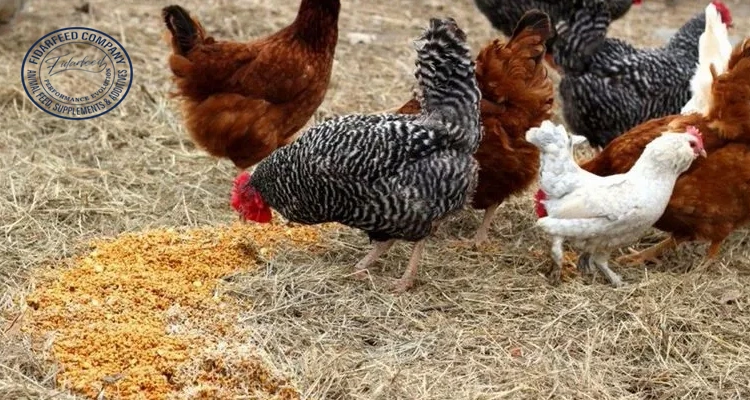
- Relying too heavily on kitchen scraps or corn: Leads to poor nutrition and obesity
Solution: Keep a printed or digital schedule of feed changes for each flock and age group.
How to Read Chicken Feed Labels at Every Stage
Feed labels can be confusing, but they’re loaded with important info:
- Crude Protein: Essential for growth, varies by stage
- Calcium and Phosphorus: Needed for bone and eggshell strength
- Medications/Additives: Like coccidiostats for disease control
- Feeding Instructions: Look for age-specific guidelines
Always check the manufacturing date to avoid stale feed, which loses nutritional value.
Supplement Tips: Grit, Calcium, and Probiotics by Feed Stage
Supplements play a key role when used correctly:
- Chicks: Don’t need grit if on crumble feed
- Growers/Developers: Can benefit from probiotics or herbal tonics
Learn more about: Cobb Chicken Breeds: An Overview
- Layers: Need free-choice calcium (e.g., oyster shell) for optimal egg production
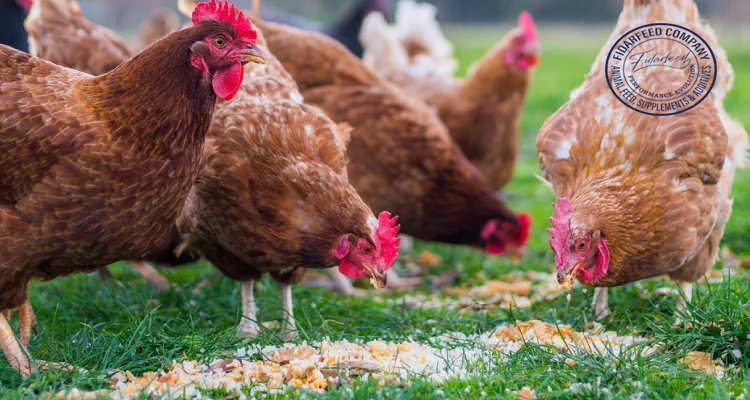
- All Ages: Ensure access to grit if offering whole grains or forage
Avoid over-supplementing—it can do more harm than good. Stick to proven products with clear dosages.
Final Thoughts: Mastering Chicken Feed Stages for a Thriving Flock
Mastering chicken feed stages is one of the most important things a poultry farmer can do. By aligning nutrition with your flock’s age and purpose, you boost health, reduce costs, and increase productivity. From chick starter to broiler finisher or layer ration, every feed choice shapes your flock’s future.
Whether you’re just starting out or managing thousands of birds, applying these stage-specific feeding strategies will help you raise happier, healthier chickens. Stay observant, adjust as needed, and always keep learning. Got questions or tips of your own? Share them in the comments below – we’d love to hear from you!