When it comes to dairy farming, the breed of cow you choose can make all the difference between a thriving business and one struggling to stay afloat. Holstein cows have long been regarded as one of the top choices for milk production, and for good reason. These cows are not just prolific in their milk yields but also adapt well to different farming environments. If you’re considering adding Holsteins to your farm, this article will guide you through the many reasons why Holstein cows are an excellent choice for milk production, and how to maximize their potential on your farm.
Understanding Holstein Cows: Why They Stand Out in Milk Production
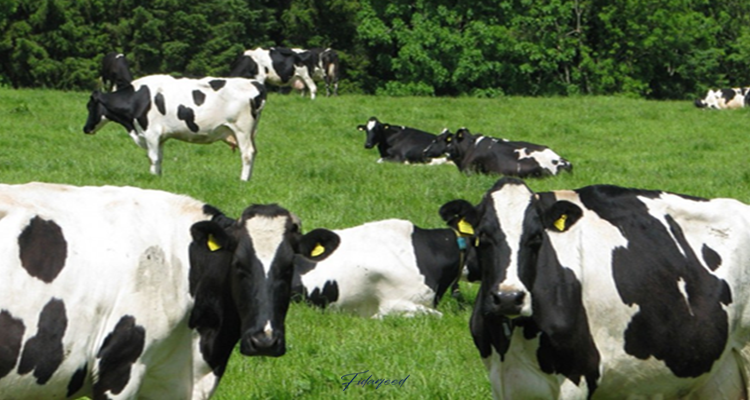
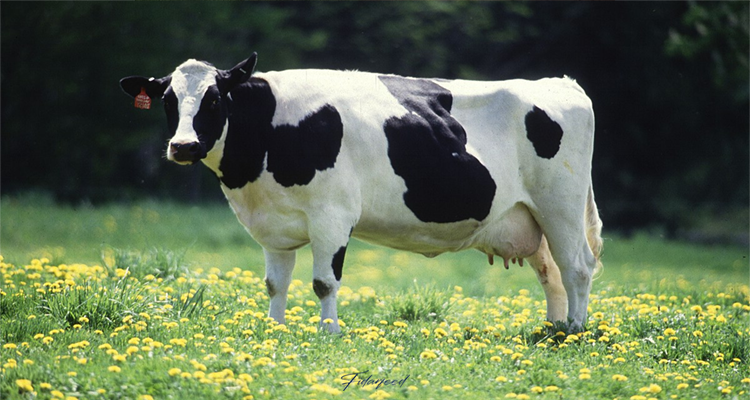
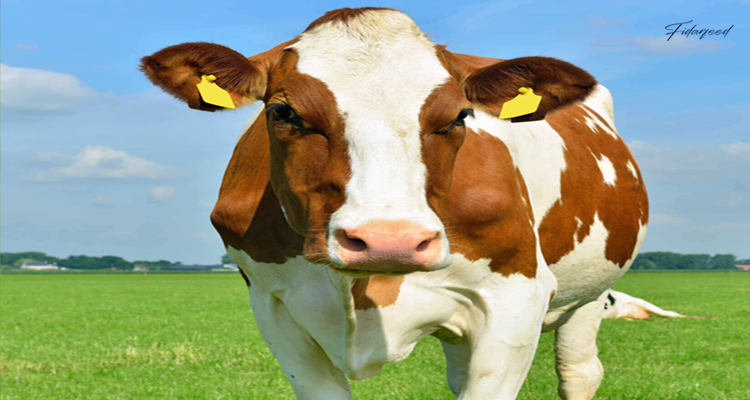
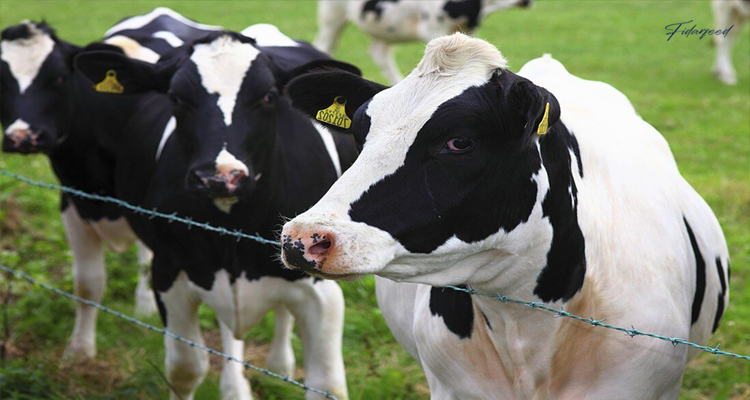
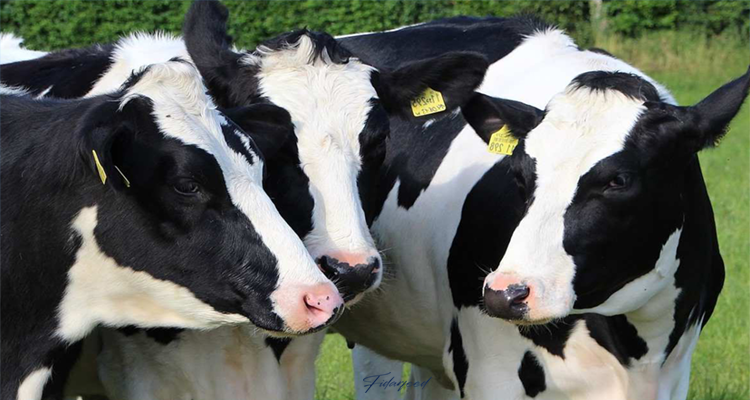
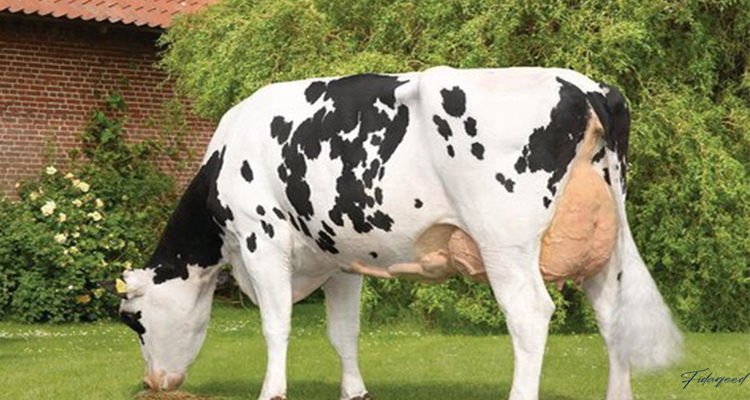
Holstein cows are easily recognized by their distinctive black and white coat pattern. They are one of the most popular dairy breeds worldwide, known for their high milk yield and ability to thrive in various environments. These cows are primarily bred for dairy production, and their large size and prolific nature make them a valuable asset for any dairy farm.
Learn more about: Active Probiotic Yeast for Large animal
What makes Holsteins stand out in the dairy world is their ability to consistently produce large quantities of milk. In fact, Holsteins are the highest-producing dairy breed, contributing to more than 90% of the world’s milk production. Their rapid growth rate and large body size also ensure that they can consume a significant amount of feed, resulting in high milk yields.
The High Milk Yield of Holstein Cows: Maximizing Production Efficiency
One of the most important factors for any dairy farmer is milk yield. Holstein cows consistently produce larger volumes of milk compared to other breeds. A Holstein cow can produce between 8,000 to 10,000 liters of milk annually, with some exceptional individuals reaching up to 12,000 liters or more.
The quality of the milk is just as important as the quantity, and Holstein cows excel here too. Their milk is rich in nutrients, including a high content of protein and fat, making it perfect for dairy products such as cheese, butter, and yogurt. Their consistent production capabilities allow farmers to achieve maximum efficiency and profitability.
Holstein Cows and Adaptability: Thriving in Various Farming Conditions
Holsteins are known for their adaptability, which is one of the reasons why they are so widely used across different regions and climates. Whether you’re farming in a hot desert or a cold temperate climate, Holsteins can thrive, as long as they have adequate shelter and food.
Learn more about: Do Happy Cows Make Better Milk? The Definitive Guide to Dairy Welfare
This adaptability makes Holsteins a versatile choice for dairy farmers, regardless of where their farm is located. Their large size does require ample space and well-maintained infrastructure, but once these basic needs are met, Holsteins can perform optimally in various farming conditions. This flexibility is a key factor for farmers who want to ensure their cows can handle environmental challenges without compromising their milk production.
Genetics and Breeding of Holstein Cows: Key to Consistent High Yields
The genetics of Holstein cows play a major role in their ability to produce large quantities of milk. By carefully selecting both the sire (father) and dam (mother), dairy farmers can improve the chances of producing high-yielding offspring with desirable traits such as high milk production, good health, and strong immune systems.
Learn more about: Signs of Stress in Cows: A Practical Guide for Farmers
Moreover, artificial insemination has played a significant role in improving Holstein genetics. Through the use of AI, breeders can select semen from top-performing bulls, ensuring that they pass on the best genetic traits to their offspring. This selective breeding allows farmers to consistently produce cows with high milk yields, improved health, and stronger genetic traits for future generations.
Nutritional Needs of Holstein Cows: Feeding for Maximum Milk Output
Holstein cows, like all dairy animals, require a balanced diet to reach their full potential in milk production. A good nutritional plan is crucial for maximizing milk yield while maintaining the overall health of the cows.
Holsteins require a diet rich in energy, protein, and fiber, with adequate amounts of vitamins and minerals to support their large size and milk-producing capabilities. It’s important to feed them a mix of high-quality forage (such as alfalfa or clover) along with concentrates that provide essential nutrients. Proper feeding is essential for maintaining milk production levels and supporting the cows’ health.
Additionally, ensuring constant access to fresh, clean water is critical to maintaining milk production. Dehydration can significantly reduce a cow’s milk yield, so it’s important that water is always available in sufficient quantities.
Holstein Cows and Their Health: Ensuring Longevity and Milk Production
Holsteins are generally robust animals, but like any other breed, they need good health management to ensure long-term productivity. Keeping Holsteins healthy involves regular monitoring of their diet, maintaining a clean and safe environment, and providing regular veterinary care.
In particular, mastitis (inflammation of the udder) is a common concern for dairy farmers, and it can significantly reduce milk quality and production. Regular milking routines, proper hygiene, and quick response to any health issues can prevent mastitis and other common diseases.
Learn more about: Is Corn Silage Good for Cows? The Pros and Cons Explained
Furthermore, breeding Holsteins with strong immune systems and investing in quality veterinary care will ensure that your cows remain productive for longer periods, which is crucial for long-term profitability.
Holstein Cow Management: Best Practices for Dairy Farmers
Managing Holstein cows requires attention to detail in several areas, from milking routines to overall herd care. Establishing a consistent milking schedule ensures cows stay comfortable and produce milk consistently. It’s essential to handle cows gently and with care to avoid stress, as stress can negatively impact milk production.
Learn more about: Happy Cows, Healthy Milk: The Power of Balanced Nutrition
Herd management is also critical, as it’s essential to monitor the overall well-being of each cow. Regularly checking for health issues, providing proper veterinary care, and maintaining a clean environment will ensure your cows remain productive and healthy.
Additionally, it’s essential to keep track of each cow’s milk production levels, adjusting feeding and care practices based on performance to optimize yields.
Economic Benefits of Choosing Holstein Cows for Milk Production
From an economic perspective, Holstein cows provide dairy farmers with a high return on investment. The breed’s exceptional milk production rates often translate into increased profits, as they generate more milk to sell. Additionally, the demand for Holstein milk is high in many markets due to its quality and consistency.
Learn more about: Exploring the Key Benefits of Silage for Cow Calf Growth in Modern Farming
Holsteins may have higher initial costs due to their size and care requirements, but these costs are outweighed by the substantial returns over time. Their productivity and efficient feed-to-milk conversion make them one of the most profitable dairy breeds.
Conclusion: Why Holstein Cows Are Your Best Choice for Milk Production
Holstein cows have proven time and again to be one of the best choices for dairy farmers looking to optimize milk production. Their high yield, adaptability to various environments, and impressive genetics make them an attractive option for any farm. By understanding the nutrition, health, and management requirements for Holstein cows, farmers can maximize their potential for long-term success in milk production.
As a breeder, choosing Holstein cows means setting yourself up for success. If you’re ready to take the next step in your dairy farming journey, Holsteins are undoubtedly a breed worth considering for the future of your farm. Let us know your thoughts or ask any questions you might have—we’d love to hear from you!