Q Fever in Cattle is a silent but serious threat that many breeders underestimate until it’s too late. Caused by the bacteria Coxiella burnetii, this disease can quietly undermine a herd’s productivity, reduce calving success, and even pose a risk to human health. If you manage a cattle operation—large or small—understanding the symptoms, impacts, and prevention strategies of Q Fever is essential. Keep reading to gain valuable insights that could protect your herd and livelihood.
What Is Q Fever and Why It Matters for Cattle Breeders
Q Fever is an infectious disease caused by Coxiella burnetii, a bacterium known for its resilience and ability to survive harsh environments. It’s primarily transmitted through contact with infected birth products, urine, feces, or milk. Although not all infected cattle show symptoms, the disease can still spread rapidly within a herd.
Learn more about: Active Probiotic Yeast for Large animal
Breeders should care deeply about Q Fever because it’s often linked to reproductive issues like abortions, stillbirths, and infertility. These setbacks aren’t just biological; they affect your farm’s productivity, profitability, and animal welfare.
Hidden Risks: How This Disease Spreads on the Farm
Coxiella burnetii is an airborne and highly infectious pathogen. The primary sources of infection include:
- Contaminated birthing materials (placenta, fluids)
- Inhalation of dried particles in dust
- Infected milk or manure
Learn more about: How to Treat Bovine Respiratory Disease: A Complete Guide for Cattle Farmers
Once the bacterium enters the environment, it can survive for months in dust or soil. Wind and animal movement can further spread it. This means even well-maintained farms can become infected if the right preventive steps aren’t taken.
Spotting the Warning Signs of Infection in Your Herd
Many cases of Q Fever in cattle go unnoticed because the animals often show no clear signs. However, in infected herds, breeders may observe:
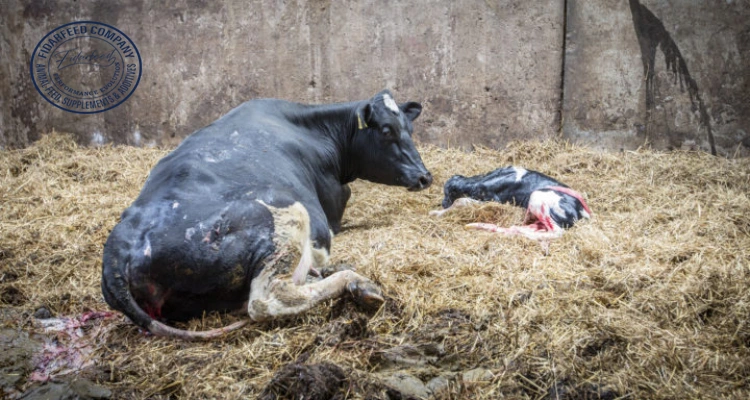
- Abortions, especially in the third trimester
- Premature or stillborn calves
Learn more about: Physical Stress in Cattle: Causes, Effects, and Prevention Strategies
- Retained placenta
- Reduced fertility or extended calving intervals
Subtle signs like these are easy to miss, but early detection is key to minimizing long-term damage. Regular reproductive monitoring helps spot unusual patterns early.
Reproduction, Milk Loss, and the Cost of Neglect
The financial consequences of Q Fever can be severe. According to studies published in Preventive Veterinary Medicine, infected herds often suffer from:
- Lower calving rates
- Increased veterinary costs
Learn more about: Comprehensive Guide to Starting Cattle Farming: Where to Begin?
- Reduced milk yield
- Delayed herd turnover
Even if only a small percentage of your herd shows symptoms, the cumulative impact on productivity and farm income can be devastating.

Diagnosing Q Fever in Cattle: What Every Breeder Should Know
Diagnosis is not always straightforward. Veterinarians rely on several methods, including:
- Serology: Detects antibodies in the blood
- PCR Testing: Identifies bacterial DNA in tissue or milk samples
- Histopathology: Examination of aborted fetal tissue or placental materials
Learn more about: How to Diagnose and Manage Foot-and-Mouth Disease in Cattle?
Because Q Fever can mimic other diseases, it’s essential to test any unusual reproductive cases promptly. Collaboration with your vet is vital for proper diagnosis and herd health planning.
Effective Treatment Options for Q Fever in Cattle
Currently, there’s no treatment that fully eliminates Coxiella burnetii from an infected animal. However, antibiotics such as tetracyclines may help reduce shedding and limit transmission during outbreaks.
Learn more about: Discover Zeolite Benefits for Health in modern animal breeding: From Cattle to Fish
Focus should be on containment and herd management:
- Isolate affected animals
- Clean and disinfect birthing areas
- Use protective gear when handling reproductive materials
Consult with your vet before initiating any treatment plan. Misuse of antibiotics can worsen resistance issues.

Preventing Q Fever in Cattle Herds: Smart Farm Management Tips
Prevention is the most effective defense against Q Fever. Key strategies include:
- Hygiene: Clean calving pens, dispose of afterbirth properly, and sanitize tools
- Quarantine: Isolate new or returning animals for observation
Learn more about: Signs of Stress in Cows: A Practical Guide for Farmers
- Ventilation: Improve airflow in barns to reduce dust and pathogen buildup
- Vaccination: In some countries, vaccines are available; consult your vet for availability and suitability
Good management reduces exposure risk and enhances overall herd health.
Zoonotic Threat: Q Fever in Cattle and Human Health Risks
One of the most concerning aspects of Q Fever in cattle is its zoonotic potential. Humans can contract Q Fever through:
- Inhalation of contaminated barn dust
- Direct contact with birth fluids
- Drinking raw (unpasteurized) milk
Learn more about: Happy Cows, Healthy Milk: The Power of Balanced Nutrition
Symptoms in humans vary from flu-like illness to more severe conditions like pneumonia or hepatitis. Pregnant women, elderly individuals, and those with weakened immune systems are at higher risk. Always use gloves and masks when assisting with calving or handling sick animals.
Case Studies: Real-World Lessons from Q Fever Outbreaks in Cattle
In 2007, a large dairy farm in the Netherlands faced a major Q Fever outbreak. Over three years, more than 4,000 human cases were reported, linked directly to infected goat and cattle farms. This crisis led to widespread culling and economic loss.
Closer to home, smallholder farms have reported unexpected reproductive issues later traced to Q Fever. In many cases, these farms lacked basic biosecurity measures, highlighting how simple oversights can lead to widespread infection.
Final Thoughts: Taking Control of Q Fever in Cattle for a Healthier Herd
Q Fever in cattle is more than a medical issue; it’s a farm-wide challenge with long-term implications. By staying informed, monitoring reproductive health, and following strict biosecurity protocols, breeders can reduce risks dramatically.
Whether you’re just starting out or have years of experience, taking proactive steps today can save your herd tomorrow. Don’t wait for the symptoms to appear—protect your animals, your livelihood, and your own health now. Have thoughts or experiences to share? Drop a comment below or reach out with your questions. We’re here to help you build a healthier future for your farm.