Starting a cattle farm is a rewarding venture, full of potential for both personal and financial growth. Whether you’re new to farming or looking to expand your current operation, understanding the fundamentals of cattle farming is essential. This guide will walk you through the key steps to get your cattle farming business off the ground, from planning and selecting the right breed to managing finances and marketing your products. Let’s dive into this comprehensive guide to starting cattle farming and explore where to begin.
Why Cattle Farming? Understanding the Benefits and Opportunities
Cattle farming is not just a livelihood; it’s a way to tap into the ever-growing demand for beef, dairy, and other cattle products. The benefits of starting a cattle farm go beyond just income. First, cattle farming offers a steady, long-term business opportunity, with demand consistently rising in many markets. With the global population increasing, the need for beef and dairy products continues to expand, making it a viable business for the future.
Learn more about: Product
Additionally, cattle farming provides the opportunity for personal satisfaction. There’s something inherently fulfilling about working with animals and nurturing them to grow and produce. For many, cattle farming offers a lifestyle that blends hard work with reward. It can also become a family legacy, passed down through generations, while also allowing you to contribute to local economies by providing quality meat and dairy products.
However, as with any agricultural endeavor, the success of your cattle farm depends on careful planning, investment, and management. This guide will help you navigate through these aspects, providing a clear path forward.

Planning Your Cattle Farming Venture: The First Steps You Need to Take
Before diving into the world of cattle farming, it’s essential to have a clear plan in place. This plan will serve as a roadmap, helping you avoid common pitfalls and ensuring that your farming venture gets off to the right start.
The first step in planning is selecting the right location for your farm. Consider factors like climate, access to water, and the quality of land. Cattle need plenty of pasture, and the climate must be conducive to their health and well-being. For instance, if you live in a dry area, water access becomes even more critical.
Learn more about: How to Treat Bovine Respiratory Disease: A Complete Guide for Cattle Farmers
Once the location is chosen, the next step is to outline your business plan. This should include your farm’s objectives, market research, financial projections, and long-term goals. Setting realistic milestones and financial expectations will help you stay on track. Many successful cattle farmers create budgets that include not just startup costs but ongoing expenses like feed, veterinary care, and labor.
Selecting the Right Breed for Your Cattle Farm: What You Need to Know
One of the most critical decisions you’ll make as a cattle farmer is selecting the right breed. The breed you choose will directly impact the productivity, profitability, and operational efficiency of your farm.
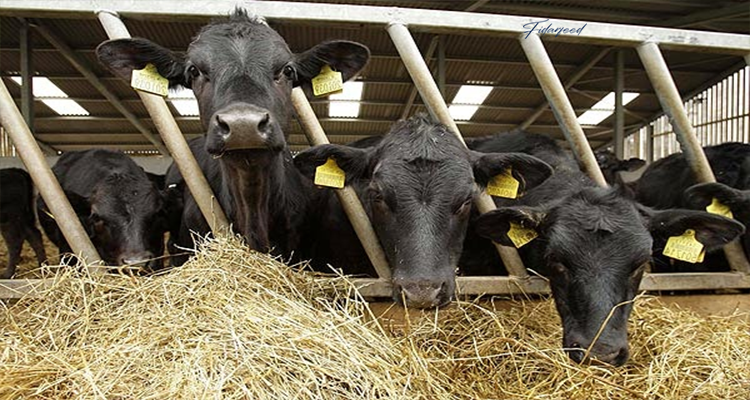
There are two main types of cattle: beef and dairy. Beef cattle are raised primarily for meat production, while dairy cattle are bred for milk. Depending on your farm’s goals, you’ll need to select a breed that aligns with those objectives. For example, if you’re aiming to produce high-quality beef, breeds like Angus, Hereford, or Charolais might be ideal choices. On the other hand, if dairy production is your focus, breeds like Holstein or Jersey may be more suitable.
It’s also important to factor in your farm’s climate and available resources. Some breeds perform better in certain climates and terrains. For instance, British breeds like Aberdeen Angus are known for their ability to thrive in cooler, wetter conditions, while American breeds like Brahman are more heat-tolerant and suitable for warmer climates.
Building the Ideal Cattle Farming Infrastructure: Housing, Fencing, and Equipment
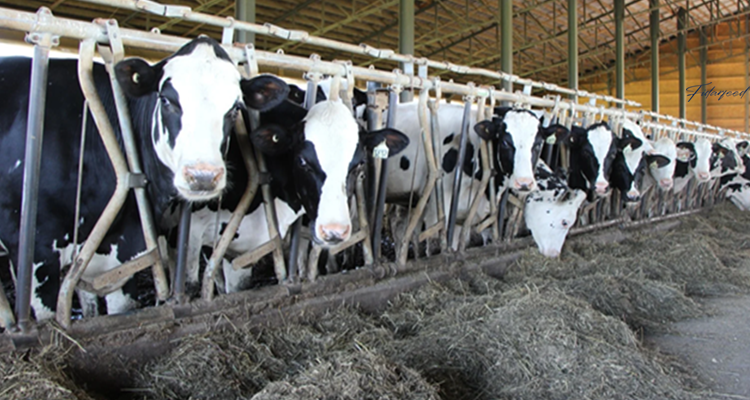
The infrastructure of your farm plays a significant role in the health and productivity of your cattle. A well-designed farm provides not only comfort for your animals but also the tools needed for efficient farming operations.
Housing: While cattle can live outdoors, providing them with shelter during extreme weather conditions is essential. Depending on your climate, barns or sheds may be needed to protect them from harsh winters or intense heat.
Fencing: Strong, secure fencing is necessary to keep cattle contained and prevent them from wandering off. When selecting fencing, ensure that it is tall enough and robust enough to handle the strength of cattle. Electric fencing can be an effective solution, as long as it is maintained properly.
Learn more about: Physical Stress in Cattle: Causes, Effects, and Prevention Strategies
Equipment: The type of equipment you’ll need depends on the size of your operation. At a minimum, you’ll need feeders, water troughs, and handling equipment such as gates and squeeze chutes. As your farm grows, you may also require larger machinery for feeding, manure management, and transporting cattle.
Feeding Your Cattle: Nutritional Needs and Feed Management for Optimal Growth
Proper nutrition is vital to the health and productivity of your cattle. Without it, your animals won’t grow properly or produce high-quality products, whether that’s milk or beef.
Cattle are herbivores and need a balanced diet that includes forage, grains, and minerals. Most cattle farms provide a combination of pasture grazing, supplemented with hay or silage during the off-season, and grain for additional energy. The right balance of nutrients ensures optimal growth and health.
Feed Management: It’s crucial to monitor feed intake regularly. Overfeeding or underfeeding can lead to health problems, so it’s essential to understand how much food your cattle need based on their age, weight, and production goals. Additionally, providing access to clean water at all times is critical to maintaining healthy cattle.
Cattle Health and Veterinary Care: Preventing Diseases and Maintaining Wellness
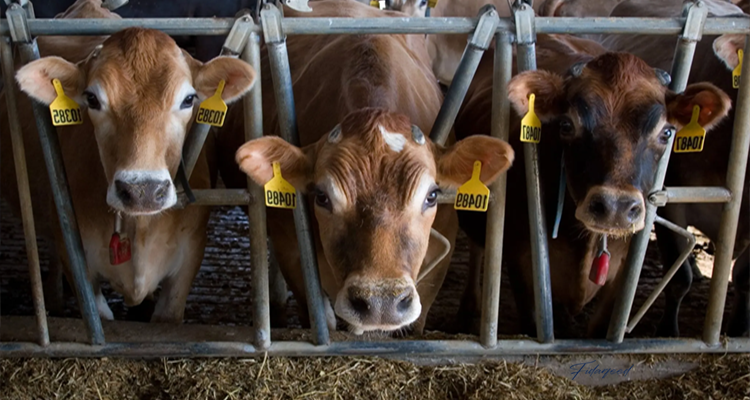
Cattle health is an ongoing concern that requires regular attention. Establishing a health management program is key to preventing diseases and maintaining productivity.
Routine veterinary care, including vaccinations, is essential to prevent common diseases like foot-and-mouth, bovine tuberculosis, and respiratory infections. Regular check-ups will also help identify potential health issues early on, allowing for prompt treatment.
Learn more about: Bulk Cattle Feed Prices: A Guide to Affordable Buying
Another important aspect of cattle health is parasite management. Internal and external parasites can affect cattle’s growth and overall well-being, so incorporating deworming schedules and pest control into your health plan is crucial.
Sustainable Practices in Cattle Farming: Ensuring Long-Term Profitability and Environmental Health
Sustainability is becoming increasingly important in all areas of agriculture, including cattle farming. Not only does it help protect the environment, but it also boosts the long-term profitability of your farm by reducing waste and lowering costs.
Waste Management: Proper manure management can reduce the environmental impact of cattle farming. Techniques like composting and using manure as fertilizer for crops can help minimize waste and improve soil quality.
Learn more about: Q Fever in Cattle: Impacts, Symptoms, and Treatment Methods
Eco-Friendly Feeding Practices: Sustainable feeding practices, such as planting your own feed crops or using more efficient feed alternatives, can help reduce costs and make your farm more eco-friendly.

Marketing Your Cattle Products: From Farm to Market
Once your cattle farm is up and running, you need to market and sell your products. Whether you’re selling beef, dairy, or breeding stock, effective marketing strategies will determine how successfully you can sell your products.
Consider creating a brand for your farm, highlighting quality, sustainability, and humane farming practices. Having a strong online presence, including a website and social media, can help connect with customers and build a loyal base.
Learn more about: Economic Evaluation of Alternative Protein Sources in Livestock Farming
Additionally, understanding market trends and pricing will help you make informed decisions when selling your cattle products. Farmers who diversify their income streams, such as by selling directly to consumers or entering niche markets, can often maximize profits.
Managing Finances in Cattle Farming: Budgeting, Funding, and Profitability
Running a cattle farm requires careful financial management. Your expenses include land, equipment, feed, veterinary care, and labor, among others. Establishing a budget and sticking to it is crucial for long-term success.
Learn more about: Global Market Analysis of Alternative Protein Sources in the Livestock Industry
Look into funding options, including loans or government grants, that can help you with initial investments. Tracking cash flow, expenses, and profitability will help you make smart decisions and avoid financial setbacks.
Conclusion: Taking the Leap into Cattle Farming for Success
Starting a cattle farm is a significant undertaking, but with careful planning, the right breed selection, and sound management practices, it can be a fulfilling and profitable venture. By following this comprehensive guide, you’ll be on the path to creating a successful cattle farming business that thrives for years to come.
We’d love to hear from you. What’s your experience with cattle farming? Leave a comment or ask questions below — we’re here to help!