Silage Time of Year is a crucial factor that directly influences dairy production. Whether you’re an experienced cattle breeder or just starting in the livestock industry, understanding the right time to harvest silage can make a significant difference in milk yield, herd health, and overall farm efficiency. When silage is harvested at the optimal time, it retains higher nutritional value, leading to better feed conversion and increased milk production. However, harvesting too early or too late can result in feed with poor digestibility and lower energy content. In this article, we’ll explore why timing is so important, how different seasons affect silage quality, and practical strategies to ensure the best results for your dairy herd.
Why Timing Matters: The Link Between Silage Harvest and Milk Yield
Timing is everything when it comes to silage. Harvesting too early means the forage has high moisture content but lacks the necessary energy levels for optimal milk production. On the other hand, delaying harvest results in over-mature plants with excessive fiber, reducing digestibility and nutritional value.
Learn more about: TMR Silage Animal Feed
Research shows that dairy cows require a balanced diet rich in energy and protein, which is best achieved with properly timed silage harvests. By understanding the growth cycle of forage crops and monitoring plant maturity, farmers can optimize their silage for peak milk production.
Seasonal Changes and Their Effect on Silage Quality
Seasons play a vital role in determining the quality of silage. In spring, forage grows quickly, offering high protein and sugar levels. However, rapid growth can also lead to excessive moisture, requiring precise harvest timing. Summer brings slower growth, with a risk of drought stress affecting nutrient content.
Learn more about: What Is TMR Silage and Why Is It a Smart Choice for Livestock Feed?
In autumn, cooler temperatures improve starch accumulation in crops like corn silage, but shorter daylight hours can limit overall yield. Winter presents challenges in some regions, as frost damage can impact late-harvested silage. Understanding these seasonal variations helps dairy farmers plan accordingly to maintain high-quality feed year-round.
The Best Time for Silage Harvest: Key Factors to Consider
Determining the ideal silage harvest time involves multiple factors, including plant maturity, moisture levels, and weather conditions. For corn silage, the recommended harvest time is when the plant reaches 32-38% dry matter (DM), ensuring the best balance of digestibility and starch content.
Learn more about: How TMR Silage Cuts Down Veterinary Expenses in Livestock Farming
For grass and legume silage, harvesting at the late vegetative to early bloom stage ensures high protein content and digestibility. Farmers should also keep an eye on weather forecasts—harvesting during dry conditions prevents excess moisture, reducing the risk of spoilage and poor fermentation.
Nutritional Value of Silage at Different Harvest Stages
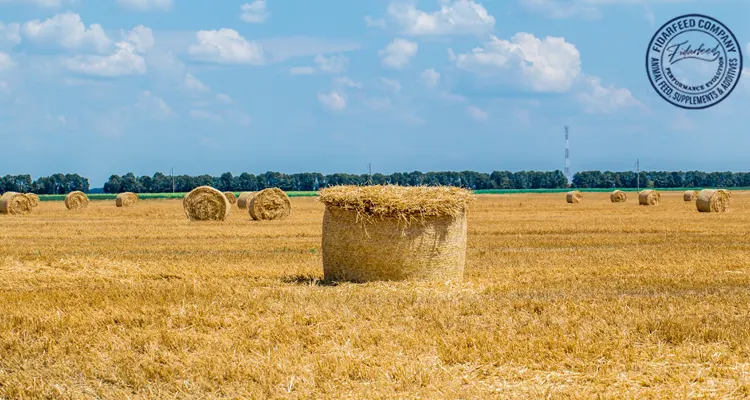
The nutritional profile of silage varies depending on when it is harvested. Young, early-harvested plants have high sugar and protein content but may contain excessive moisture, leading to poor fermentation. Mid-maturity harvests provide the best balance of energy, protein, and digestibility.
Learn more about: TMR Silage as Complete Feed: Benefits for Dairy Cows
Late-harvested forage, though rich in fiber, becomes less digestible due to lignification, reducing its efficiency as dairy feed. Studies suggest that silage harvested at the right stage contributes to increased milk fat and protein content, benefiting both herd health and farm profitability.
Silage Fermentation and Storage: Maximizing Feed Efficiency
Proper fermentation is critical for preserving silage quality. Once harvested, silage should be packed tightly to eliminate oxygen, promoting anaerobic fermentation. This process allows beneficial bacteria to convert sugars into lactic acid, preserving nutrients and preventing spoilage.
Learn more about: TMR Silage Production: A Farm-to-Feed Process
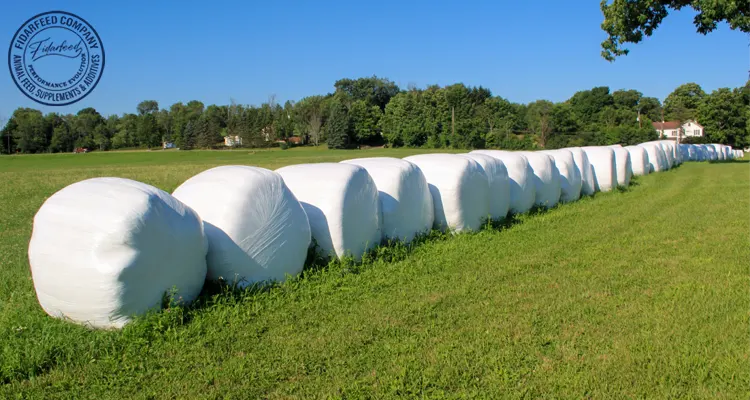
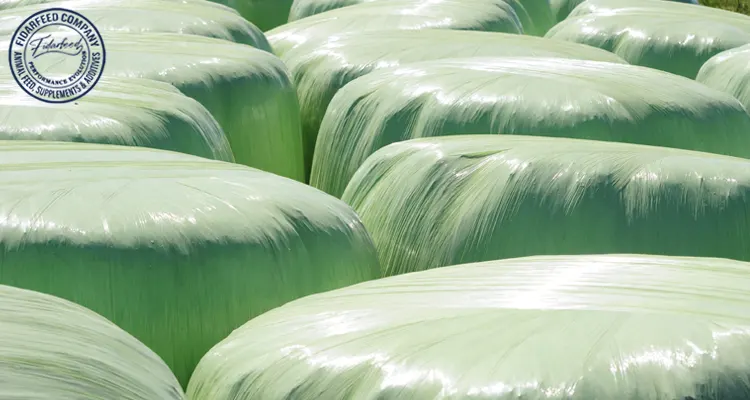
Storage methods such as bunker silos, silage bags, and upright silos each have advantages depending on farm size and management practices. Regular monitoring of silage pH and temperature ensures that feed remains stable and nutritious throughout the feeding period.
Impact of Poorly Timed Silage on Dairy Herd Health
Silage harvested at the wrong time can negatively affect dairy cows. Overly wet silage can lead to mold growth, increasing the risk of mycotoxin contamination, which can cause digestive issues, reduced feed intake, and lower milk yield.
Learn more about: Type of Silage: A Comprehensive Guide for Livestock Farmers
Conversely, dry, fibrous silage can lead to reduced energy availability, affecting lactation performance. Poorly fermented silage can also cause acidosis, a metabolic disorder that disrupts digestion and milk production. Ensuring optimal harvest timing and proper storage techniques helps prevent these health issues and supports overall herd well-being.
Practical Tips for Dairy Farmers: Ensuring the Best Silage Year-Round
To maintain consistent silage quality, dairy farmers should:
- Monitor crop maturity: Regularly assess plant growth stages to determine the best harvest time.
- Use dry matter testing: Measure forage moisture content before harvesting to ensure ideal fermentation conditions.
- Harvest under favorable weather conditions: Avoid harvesting after heavy rain to reduce excess moisture in silage.
Learn more about: When to Cut Silage: Maximizing Nutritional Value and Yield
- Ensure proper chopping and compaction: Cutting forage to the right length and compacting silage tightly improves fermentation and digestibility.
- Cover silage properly: Using plastic covers or oxygen-barrier films prevents spoilage and nutrient loss.
- Test silage quality: Regularly analyze silage for nutrient content and adjust rations accordingly to optimize dairy cow performance.
By following these best practices, farmers can maximize the benefits of silage, ensuring high milk yields and maintaining herd health throughout the year.
Conclusion
Silage Time of Year is a key factor in dairy production, influencing milk yield, herd health, and overall farm profitability. Understanding how seasonal changes affect forage quality, choosing the right harvest time, and implementing proper fermentation and storage practices can make a significant difference. Whether you’re an experienced dairy farmer or new to the industry, applying these strategies will help you optimize your silage management and achieve better results. Have any thoughts or experiences to share? Leave a comment below and join the conversation!