Biotechnology in animal feed additives is revolutionizing how farmers nourish their livestock, making production more efficient, sustainable, and healthy. Whether you’re a seasoned breeder or just entering the field, understanding this shift is essential to staying ahead in modern animal husbandry. This article dives into how biotechnology works in feed, what it offers to your farm, and how you can apply it practically for real results. Let’s explore this transformative technology and see why it’s more than just a trend—it’s the future.
What Is Biotechnology in Animal Feed Additives and Why It Matters
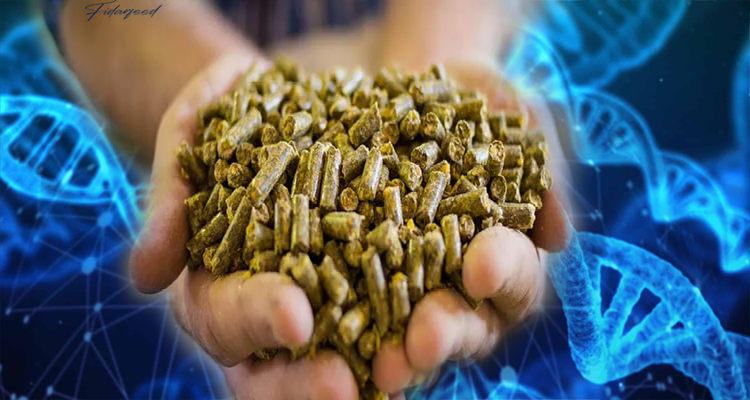
At its core, biotechnology in animal feed additives involves using biological processes and organisms—like enzymes, bacteria, and yeast—to improve the nutritional quality and safety of animal feed. Rather than relying solely on synthetic chemicals or traditional additives, biotech solutions are often more natural and biologically compatible with animals’ digestive systems.
Learn more about: Alternative Feed Ingredient
This matters greatly for breeders and nutritionists because it helps solve common challenges: poor feed conversion, slow growth rates, disease outbreaks, and environmental waste. Biotechnology offers a smarter, science-backed way to raise healthier animals while also supporting farm productivity.
The Science Behind Biotechnology in Animal Feed Additives
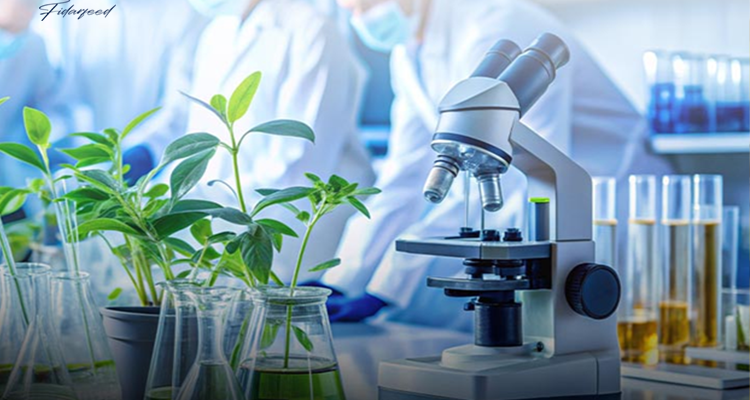
Biotech feed additives are designed at the molecular level to target specific issues in livestock nutrition. For example:
-
Enzymes (like phytase or xylanase) help break down complex plant materials, releasing nutrients that animals can otherwise barely digest.
-
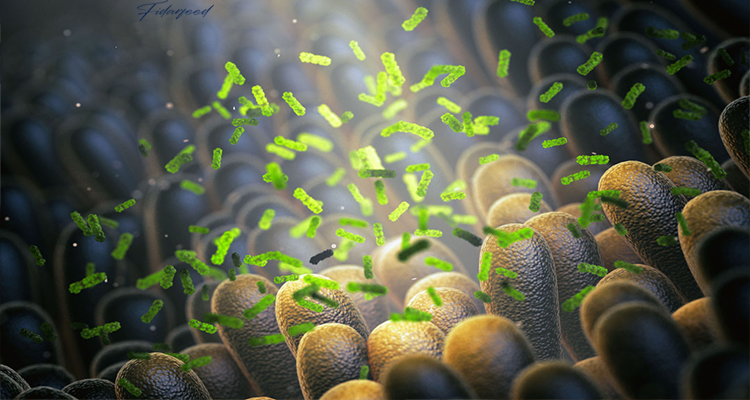
Probiotics introduce beneficial bacteria into the gut, helping regulate digestion and reduce harmful microbes.
-
Genetically optimized yeasts or fungi can produce vitamins, amino acids, and bioactive compounds right inside the feed mix.
Learn more about: Get the Best Value: Ready-Made Feed for Livestock, Poultry & Aquaculture
This scientific approach leads to better nutrient use, reduced waste, and more predictable animal health outcomes. Research published in the Journal of Animal Science confirms that enzyme-based additives, for instance, can improve digestibility of fiber-rich feed by over 20%.
Key Benefits of Using Biotech Feed Additives in Livestock Farming
The advantages of biotechnology in animal feed additives are both practical and measurable:
-
Better growth performance: Animals fed with biotech-enhanced feed typically show faster weight gain due to more efficient nutrient absorption.
-
Lower disease risk: Probiotics and immune boosters reduce the need for antibiotics and help control infections naturally.
-
Improved feed conversion ratio (FCR): More nutrients extracted from feed means less input for more output.
-
Enhanced product quality: Healthier animals often produce higher-quality milk, meat, or eggs.
Learn more about: Type of Silage: A Comprehensive Guide for Livestock Farmers
For example, dairy farms using enzyme-enriched concentrates have reported up to 15% improvement in milk yield without increasing feed volume.
How Biotechnology Improves Nutrient Absorption in Animals
Many nutrients in feed—especially those in grains and plant-based materials—are “locked” within complex molecules. Biotech additives like cellulase, protease, and lipase break these down into simpler forms that animals can absorb easily.
Learn more about: Why Choose Prepared Feed for Your Farm Animals: Livestock, Poultry, and Aquaculture
By supporting better digestion, these additives allow animals to get more value from every bite. In calves, this could mean stronger bone development and improved gut function; in poultry or fish, it translates into faster growth and fewer digestive issues.
Boosting Animal Immunity with Biotech Feed Innovations
A strong immune system starts with proper gut health, and biotechnology plays a critical role here. Feed additives that contain prebiotics and probiotics balance the intestinal microbiota, making animals more resilient to pathogens.
Certain biotech-derived compounds—like beta-glucans and nucleotides—have also been shown to stimulate immune cells, especially under stress conditions like weaning, transport, or sudden weather changes.
A healthier immune system doesn’t just prevent illness—it means fewer losses, better welfare, and lower treatment costs.
Reducing Environmental Impact Through Biotech-Based Feed Additives
One of the lesser-known but significant benefits of biotechnology in animal feed is its role in reducing environmental harm. Efficient digestion means fewer undigested nutrients are excreted, leading to:
-
Lower methane emissions from ruminants like cattle.
-
Reduced nitrogen and phosphorus waste in manure.
-
Smaller carbon footprint per kilogram of animal product.
Learn more about: Boosting Nutrient Absorption in Livestock with Probiotics
By using these solutions, farms can align with sustainability goals while maintaining profitability—something increasingly important for market credibility.
Real-World Applications: Successful Use Cases of Biotechnology in Animal Feed
In practice, farms across various sectors have seen tangible improvements. For instance:
-
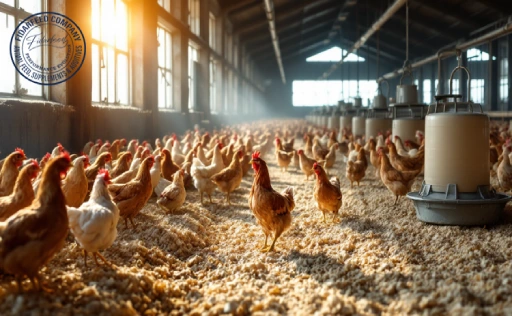
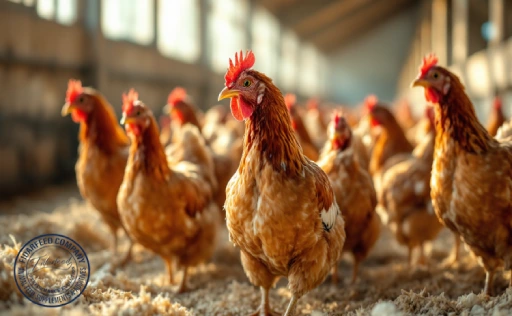
Broiler farms using enzyme additives recorded faster growth and better feed efficiency, even with lower-protein diets.
-
Cattle farms incorporating probiotics in feed noticed improved digestion and fewer cases of bloating or diarrhea.
-
Aquaculture units using biotech supplements experienced higher survival rates and cleaner water quality.
These cases show that when implemented correctly, biotech additives deliver real, measurable outcomes—not just theoretical benefits.
Are Biotech Feed Additives Safe for Livestock and Humans?
Safety is a valid concern for any new technology in animal nutrition. Fortunately, biotech feed additives are subject to rigorous testing and must comply with international safety standards before being approved for use.
Learn more about: Top 10 Benefits of Bulk Animal Feed for Wholesalers
Studies from institutions such as the European Food Safety Authority (EFSA) and scientific journals confirm their safety for both animals and humans when used correctly. In fact, many are derived from natural organisms already present in the environment or animals’ guts.
That said, proper dosing and adherence to usage guidelines are essential to avoid over-reliance or resistance issues.
Challenges and Considerations When Switching to Biotech Feed Additives
While the benefits are clear, transitioning to biotech-enhanced feed does come with considerations:
-
Cost: Some additives may be more expensive upfront, although they often pay off through better performance.
-
Storage and stability: Many products require specific conditions to remain effective.
-
Compatibility: Certain additives may work better with specific feed types or animal species.
Farmers should work with nutrition experts to determine the right combination and dosage, ensuring a smooth and beneficial transition.
The Future of Biotechnology in Animal Feed Additives: What to Expect
Looking ahead, biotechnology will continue to evolve, bringing even more precise and effective solutions. Developments on the horizon include:
-
Smart additives tailored to specific breeds or environments.
-
AI-driven feed formulation that adjusts in real-time based on animal health data.
-
Nano-encapsulation of active ingredients for targeted nutrient delivery.
As technology and farming practices become more integrated, biotech feed additives will likely become a standard, not a specialty.
Conclusion
Biotechnology in animal feed additives represents a turning point in how we raise healthy, productive livestock. From improving digestion and immunity to reducing environmental impact, its benefits are far-reaching and scientifically sound. Whether you’re looking to optimize your feed costs or future-proof your operation, integrating biotech solutions into your feeding program is a smart, strategic move.
We’d love to hear from you—have you tried biotech feed additives on your farm? What were your results? Share your experiences, questions, or thoughts in the comments below!