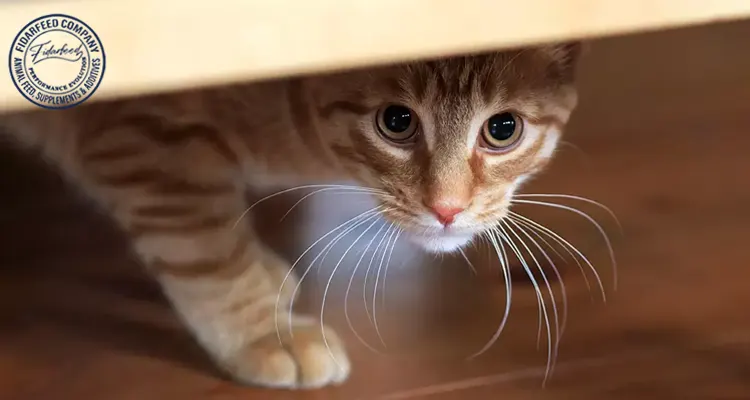
Common Causes of Stress in Cats can often go unnoticed until behavioral problems or health issues arise. While cats may seem independent and resilient, they are highly sensitive creatures that can experience anxiety due to various environmental and social factors. For cat breeders and industry professionals, understanding feline stress is crucial for maintaining their well-being. In this article, we will explore the most common causes of stress in cats, their effects, and practical solutions to create a stress-free environment.
Changes in Environment: A Cat’s Biggest Anxiety Trigger
Cats are creatures of habit, and any sudden changes in their environment can trigger significant stress. Moving to a new home, rearranging furniture, or introducing new pets or family members can be overwhelming for them.
Learn more about: Synbiotic Supplement for Dogs and Cats
Even minor adjustments, like a new litter box location or different feeding area, can cause anxiety. To minimize stress, introduce changes gradually, allow the cat time to adjust, and provide familiar objects, such as blankets or toys, for comfort.
Lack of Routine: Why Cats Crave Consistency
A structured routine provides security for cats. Sudden changes in feeding schedules, playtime, or sleeping arrangements can make them anxious. If a cat expects a meal at a specific time but experiences delays, it may exhibit signs of stress like excessive meowing or destructive behavior.
Learn more about: Do Cats Get Vaccines? Essential Shots Every Cat Owner Should Know About
To keep stress levels low, maintain a consistent daily routine and feed your cat at regular intervals.
Overcrowding: When Too Many Cats Cause Tension
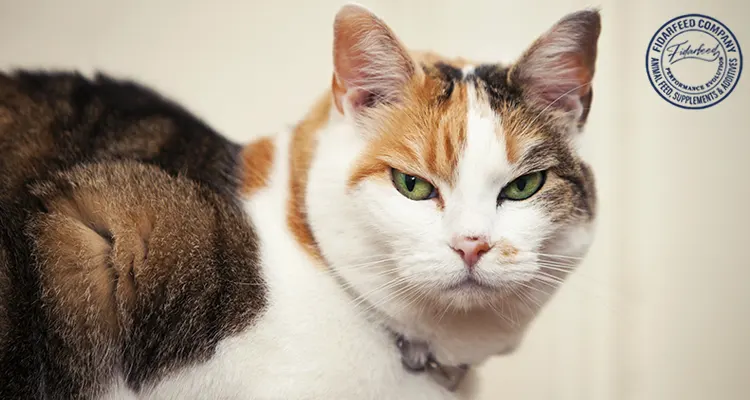
In multi-cat households or breeding environments, overcrowding can lead to competition for resources, territorial disputes, and increased aggression.
Learn more about: Best Probiotics for Cats: A Complete Guide
Cats need their own space to eat, sleep, and relax. Ensure that there are enough litter boxes, feeding stations, and resting areas to prevent unnecessary conflicts. Observing feline body language can help identify signs of stress caused by overcrowding, such as excessive hiding or avoidance behavior.
Loud Noises and Unfamiliar Sounds: A Hidden Stressor
Cats have sensitive hearing, and loud or sudden noises can be distressing. Thunderstorms, fireworks, vacuum cleaners, and even loud music can trigger fear-based responses.
Learn more about: Is Your Cat Constipated? Effective Home Remedies and When to See a Vet
Some cats may hide for hours after being startled by a sudden noise. Creating a quiet, secure space with soft bedding can help comfort a stressed cat. White noise machines or calming music may also be beneficial in masking disruptive sounds.
Poor Socialization: The Impact of Early Experiences
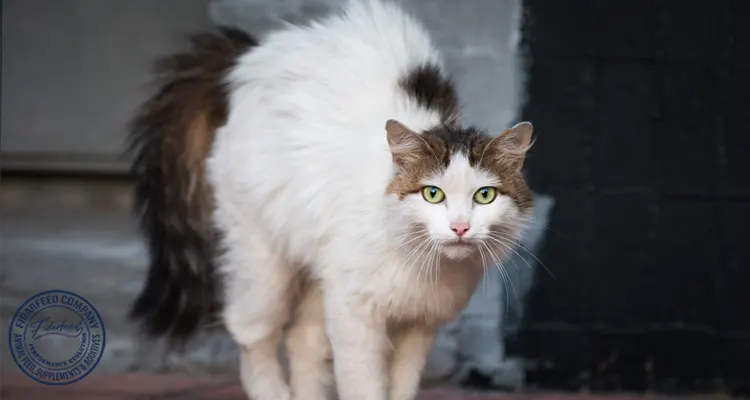
Kittens that do not receive adequate socialization during their early development stages may grow up to be anxious or fearful. Exposure to different people, sounds, and experiences in a controlled manner helps build confidence.
Learn more about: How to Train Your Cat: The Ultimate Guide
A cat that has not been properly socialized may react with aggression or extreme shyness when introduced to new situations. Breeders and caretakers should focus on gradual and positive social interactions to ensure well-adjusted adult cats.
Health Issues: The Silent Cause of Stress in Cats
Underlying medical conditions, including infections, dental pain, and digestive problems, can be a significant source of stress. Cats instinctively hide their discomfort, making it difficult to detect health-related stress. Signs of stress-induced by illness include excessive grooming, changes in appetite, and lethargy. Regular veterinary check-ups are essential to identify and address any health concerns early.
Litter Box Problems: How Dirty or Inaccessible Litter Boxes Cause Anxiety
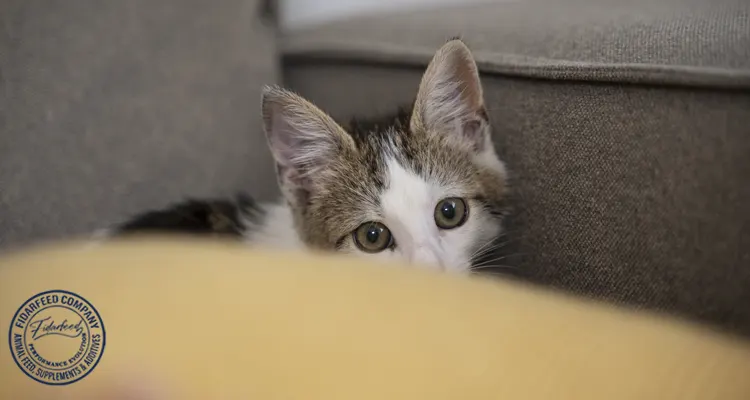
A cat’s litter box habits can be directly linked to stress. A dirty or poorly located litter box can make a cat feel anxious, leading to inappropriate elimination outside the box.
The general rule is to have one more litter box than the number of cats in the household. Keeping the litter box clean, placing it in a quiet location, and experimenting with different types of litter can help ensure a comfortable and stress-free toileting experience.
Separation Anxiety: When Being Alone Becomes Overwhelming
While cats are often seen as independent, many develop deep bonds with their owners. Some cats suffer from separation anxiety when left alone for extended periods, leading to destructive behaviors, excessive vocalization, or inappropriate elimination. Providing interactive toys, scratching posts, and even a companion animal can help alleviate feelings of loneliness.
Aggressive or Dominant Housemates: The Role of Other Pets
Tensions between household pets can be a significant stressor for cats. If a dominant cat or dog is aggressive, the affected cat may become withdrawn or develop behavioral issues. Gradual introductions, separate feeding areas, and providing escape routes can help reduce stress in multi-pet homes. Observing interactions closely and intervening when necessary ensures a harmonious household.
Lack of Mental and Physical Stimulation: A Recipe for Stress
Boredom and lack of activity can lead to stress and behavioral problems in cats. Without mental stimulation, they may become destructive, overeat, or exhibit excessive grooming. Interactive toys, puzzle feeders, scratching posts, and regular play sessions help keep cats engaged and reduce stress. Outdoor enclosures or window perches can also provide visual stimulation and enrichment.
How to Help Your Cat Manage Stress: Practical Tips for Breeders
Breeders and caretakers play a crucial role in maintaining a stress-free environment for cats. Here are some effective ways to manage feline stress:
- Create a safe space: Provide a quiet, comfortable area where cats can retreat when they feel overwhelmed.
- Use pheromone diffusers: Products like Feliway can help create a calming atmosphere.
- Ensure proper nutrition: A well-balanced diet contributes to overall health and reduces stress.
- Regular grooming and care: Grooming helps build trust and reduces discomfort caused by mats or parasites.
- Veterinary check-ups: Routine health assessments help detect issues before they become serious stressors.
Final Thoughts: A Happy Cat is a Healthy Cat
Understanding and addressing the common causes of stress in cats is essential for their overall well-being. By being attentive to environmental changes, maintaining routines, and providing proper care, cat breeders and caretakers can ensure their furry friends lead happy, stress-free lives. Have you noticed signs of stress in your cats? Share your experiences and tips in the comments below!