Suffolk Sheep for Meat Production and Farming have gained a reputation among breeders for being one of the most efficient and rewarding choices in the livestock world. Whether you’re just starting your journey in sheep farming or you’re an experienced breeder looking to improve productivity, the Suffolk breed offers a powerful combination of fast growth, superior meat quality, and ease of management. In this article, we’ll walk you through everything you need to know to make informed, confident decisions about raising Suffolk sheep for meat. Let’s dive in.
Why Choose Suffolk Sheep for Meat Production and Farming?
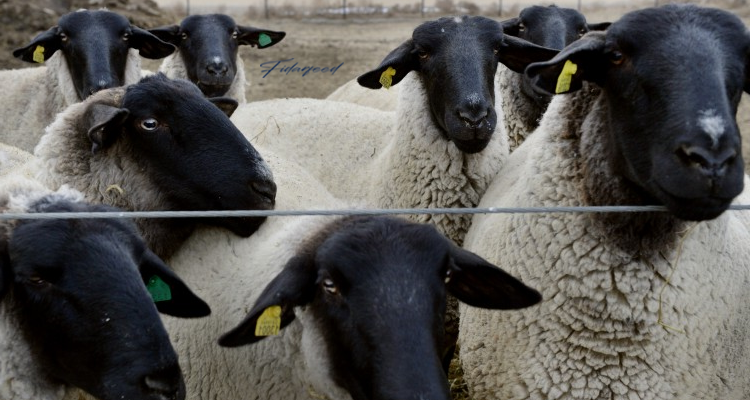
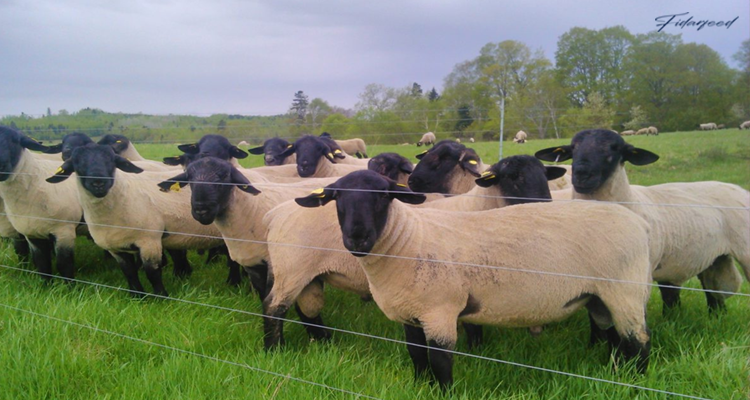
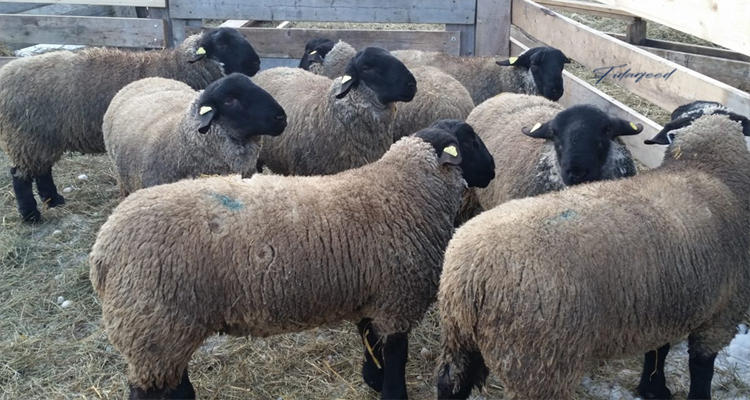
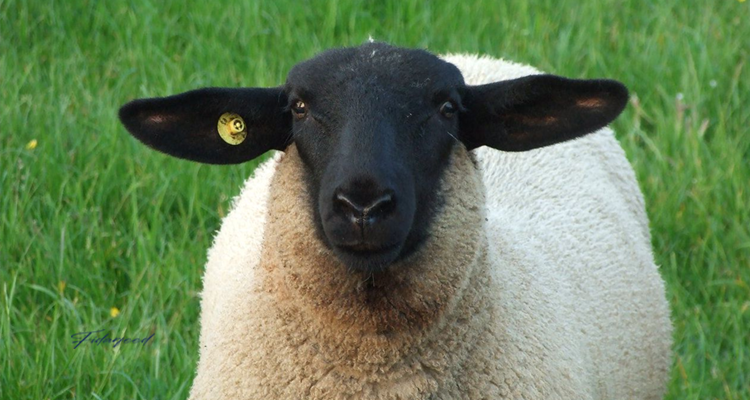
The Suffolk breed, known for its iconic black face and legs with a white fleece body, has long been favored by farmers who prioritize meat production. Developed through selective breeding to optimize muscle development and growth efficiency, Suffolk sheep are not just beautiful to look at—they’re hard workers too.
Learn more about: Active Probiotic Yeast for Large animal
What makes them stand out? First and foremost, their genetics. Suffolk sheep have been bred specifically for rapid weight gain, efficient feed conversion, and high-quality carcasses. These traits make them a natural fit for meat-focused operations, whether you’re managing a small family farm or a larger-scale commercial enterprise.
Breeders often highlight the breed’s consistent performance and reliable returns, making Suffolk sheep a strategic choice for both beginners and seasoned producers.

Fast Growth and Excellent Carcass Quality: Suffolk Sheep Advantages
One of the biggest selling points of Suffolk sheep is their outstanding growth rate. Lambs typically reach market weight faster than many other breeds, often within 100 to 120 days under optimal feeding and care. This short cycle allows breeders to turn over more animals per year, boosting overall productivity.
Learn more about: Dorper Sheep Farming: Producing High-Quality Meat for Maximum Profit
In addition to speed, the carcass quality of Suffolk lambs is second to none. They produce a high proportion of lean meat with minimal fat, making them highly desirable in meat markets. Studies have shown that Suffolk lambs often yield higher dressing percentages compared to average crossbreeds—meaning more meat and less waste for processors and consumers.
The combination of muscle density, fine-grained texture, and good flavor ensures a product that commands better prices and satisfies market expectations.
Suffolk Sheep Temperament and Management Made Simple
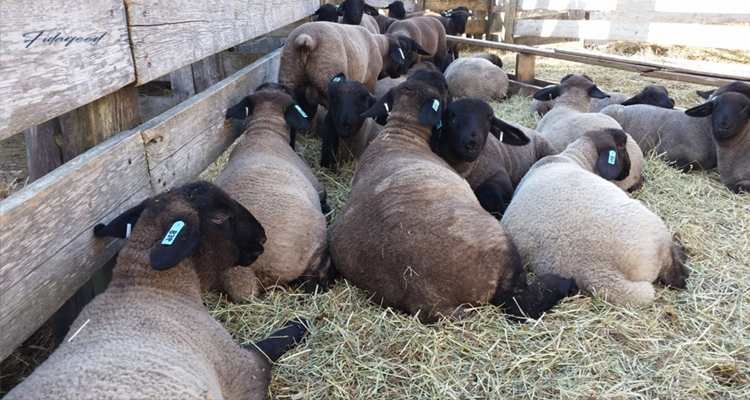
Beyond meat yield, Suffolk sheep are known for their friendly temperament and manageability. They are generally calm, cooperative animals that adapt well to human interaction and farm routines. This docile behavior simplifies daily management, including feeding, medical checks, and transportation.
Learn more about: How to Treat Ringworm in Sheep and Lambs: A Complete Guide
Suffolks are also adaptable to various environments, thriving in both pasture-based systems and more intensive indoor setups. Their resilience and low-stress behavior can help reduce injury, illness, and overall management costs—making them ideal for breeders who value both productivity and ease of care.
Feeding Suffolk Sheep for Maximum Meat Output
To maximize the performance of Suffolk sheep, nutrition plays a central role. Because of their fast-growing nature, they require a high-energy, protein-rich diet—especially during the early stages of growth and finishing.
Lambs should receive a balanced starter diet with appropriate mineral and vitamin support. Quality forages such as alfalfa, along with energy-dense grains like corn or barley, can promote optimal growth. Feed supplements and concentrates—especially those formulated to support muscle development and digestive health—can significantly improve feed conversion ratios.
Learn more about: The Essential Guide: How Do Sheep Help Farmers?
Don’t overlook the importance of clean water, proper mineral supplementation, and consistent feeding schedules. These small but vital steps make a big difference in meat quality and overall health.
Breeding and Lambing: What to Expect with Suffolk Sheep
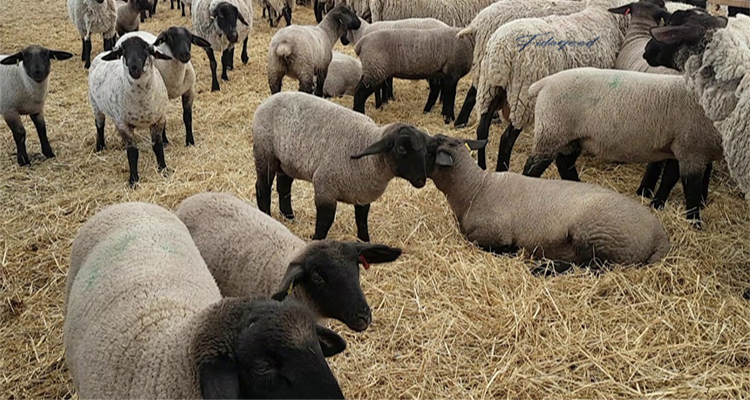
Suffolk sheep exhibit high fertility rates, with ewes commonly producing twins under proper conditions. Their strong maternal instincts, combined with relatively easy lambing, reduce the risk of birthing complications—a major advantage for breeders.
Lambs are typically born vigorous and active, with a strong instinct to nurse. This early robustness contributes to their fast development and low mortality rates.
Learn more about: The Complete Guide: How to Run a Successful Sheep Farm
However, managing breeding cycles effectively requires planning. Make sure to monitor body condition scores, maintain proper nutrition before and after lambing, and isolate rams during off-season periods to control timing.
Suffolk Sheep vs. Other Meat Breeds: A Clear Comparison
While many breeds are raised for meat, Suffolk sheep consistently rank among the top for efficiency, growth speed, and carcass value. Compared to wool-heavy or multi-purpose breeds, Suffolks focus almost exclusively on meat traits.
Their feed-to-gain ratio tends to outperform other meat breeds, meaning you get more output per kilogram of feed. Additionally, Suffolk lambs are often preferred by processors due to their predictable dressing percentage and muscle conformation.
While some dual-purpose breeds offer benefits in wool production or terrain adaptability, if your primary goal is high-quality meat, Suffolk sheep remain a clear frontrunner.
Real Farm Insights: Suffolk Sheep in Successful Meat Operations
Across various farming setups—both small family farms and larger operations—breeders have seen consistent success with Suffolk sheep.
One breeder shared that switching to Suffolk rams in their crossbreeding program improved lamb weights by 10–15% and cut down the time to market by nearly three weeks. Another producer emphasized how the breed’s calm temperament made it easier for inexperienced farmhands to manage the herd with minimal supervision.
Field trials and farm-based studies echo these results, showing higher profit margins, reduced labor costs, and more efficient land use when raising Suffolk sheep for meat production.
Final Thoughts: Is Suffolk the Right Breed for Your Farming Goals?
Choosing the right breed can determine the long-term success of your meat production strategy. Suffolk Sheep for Meat Production and Farming offer a powerful mix of speed, strength, efficiency, and ease of care, making them an excellent choice for breeders focused on profitability and sustainability.
Whether you’re a first-time sheep farmer or a seasoned producer looking to improve your results, the Suffolk breed provides consistent, high-quality outcomes. Their impressive growth rate, excellent carcass traits, and manageable nature mean fewer headaches and more returns.
In a competitive industry where efficiency and product quality matter more than ever, Suffolk sheep are a breed worth serious consideration.