Guide to Preventing and Treating Brucellosis in Sheep is a must-read for any sheep breeder—whether you’re just starting out or have been in the business for years. Brucellosis, often overlooked in its early stages, is one of the most economically damaging and emotionally draining diseases in sheep farming. Its impact stretches far beyond individual sick animals—it affects lambing rates, the health of the entire flock, and even poses a risk to human health. If you care about the future of your flock and your farm, this comprehensive guide is for you. Let’s walk through what you need to know to stay informed, alert, and prepared.
What Is Brucellosis in Sheep and Why Should Breeders Be Concerned?
Brucellosis in sheep is a contagious disease caused primarily by the bacterium Brucella melitensis. It’s a zoonotic pathogen—meaning it can be transmitted to humans—making it a dual threat to both livestock and people.
Learn more about: Probiotic Supplement for Livestock
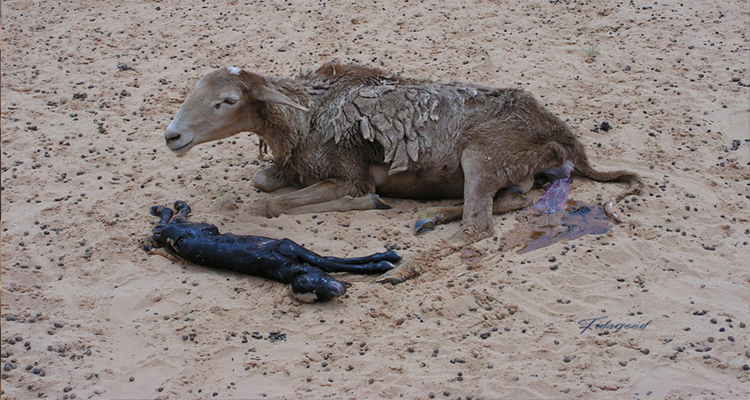
For sheep breeders, this disease strikes where it hurts most: reproduction. It often leads to abortions in pregnant ewes, reduced fertility in rams, and the birth of weak or stillborn lambs. More importantly, Brucellosis doesn’t always show clear symptoms right away, allowing it to spread silently through your flock. Without awareness and control, it can rapidly compromise both productivity and profit margins.
Understanding How Brucellosis Spreads in Sheep Herds
Brucellosis typically spreads through direct contact with infected materials. These include aborted fetuses, placentas, vaginal discharges, milk, and contaminated bedding or feed. Ewes can carry and shed the bacteria during lambing, infecting other animals and even people who assist in birth without protection.
Learn more about: Dorper Sheep Farming: Producing High-Quality Meat for Maximum Profit
Rams can also be carriers, transmitting the bacteria during mating. What makes Brucellosis particularly dangerous is its ability to linger in the environment and remain undetected for long periods. Without active surveillance, an entire herd can become infected before the first abortion is even noticed.
Recognizing the Symptoms of Brucellosis in Sheep: What to Look For
Catching Brucellosis early is vital for control. Here are the most common signs to watch for:
-
In ewes:
-
Abortions (usually in the second half of pregnancy)
-
Retained placenta
-
Decreased milk production
-
Weak or stillborn lambs
-
-
In rams:
-
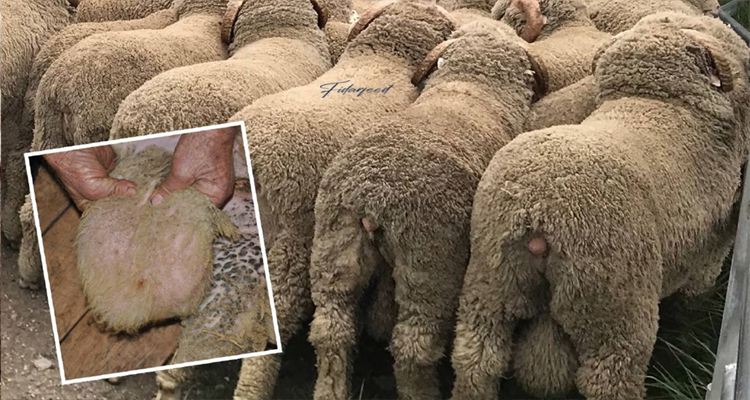
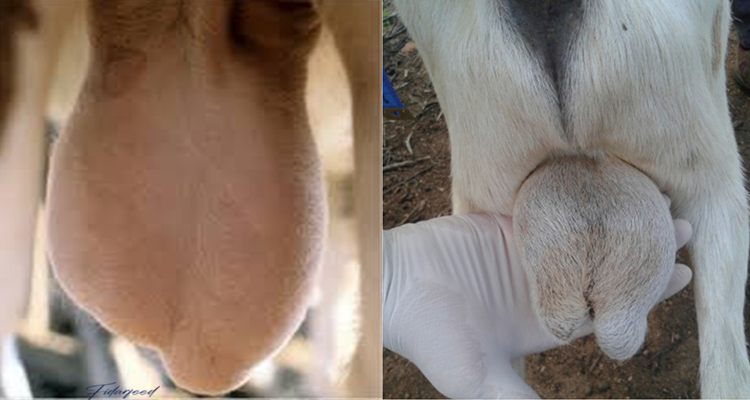
Swelling of the testicles
-
Lameness or reluctance to move
-
Poor libido or infertility
-
Not all infected animals will show symptoms right away. That’s why it’s essential to stay observant, especially during breeding and lambing seasons.
Brucellosis and Its Impact on Reproduction and Lambing Rates
The reproductive losses caused by Brucellosis are both immediate and long-term. Abortion storms—where large numbers of pregnant ewes abort within a short window—are not uncommon in unvaccinated or naïve flocks. These events can wipe out an entire lambing season.
Even beyond abortion, fertility rates drop, leading to fewer successful pregnancies in subsequent cycles. Rams may develop orchitis (inflammation of the testicles), rendering them infertile. Over time, flock productivity declines, costing breeders thousands in lost lambs, feed, and veterinary interventions.
Guide to Preventing and Treating Brucellosis in Sheep: Is There a Cure?
Unfortunately, there is no true cure for Brucellosis in sheep. While antibiotics may temporarily reduce bacterial shedding, they do not eliminate the infection entirely and are not recommended for herd-level management.
Learn more about: How to Control Internal Parasites in Sheep: Best Practices
The most effective approach is prevention, supported by early diagnosis, vaccination, and culling of infected animals. Once a sheep tests positive, it becomes a lifelong carrier and poses a constant threat to the rest of the flock. Immediate removal is essential to stop the spread.

Vaccination for Brucellosis in Sheep: When, How, and Why It Matters
Vaccination is a key preventive tool, especially in areas where Brucellosis is known to occur. The most commonly used vaccine is Rev.1, a live vaccine administered to young ewes between 3 and 6 months of age.
Important vaccination notes:
-
Only vaccinate healthy animals.
-
Avoid vaccinating pregnant ewes—the live vaccine can cause abortion.
-
Follow your vet’s guidance on vaccine timing and administration.
Learn more about: How to Treat Ringworm in Sheep and Lambs: A Complete Guide
Vaccination doesn’t cure Brucellosis, but it drastically reduces the risk of infection and abortion when used properly.
Practical Biosecurity Tips to Prevent Brucellosis in Sheep Farms
Strong biosecurity is your frontline defense. Here’s what every sheep breeder should implement:
-
Isolate new animals before introducing them to your main flock.
-
Disinfect lambing areas after each use.
-
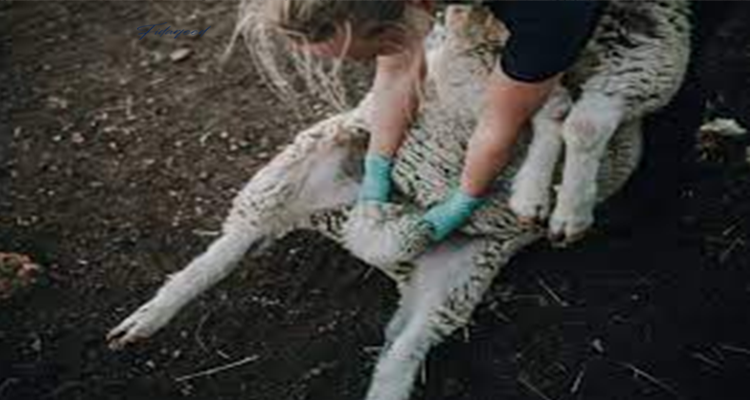
Wear gloves and other protective gear during lambing and veterinary procedures.
-
Avoid sharing equipment between flocks unless thoroughly cleaned and disinfected.
-
Keep feeding and watering areas clean and uncontaminated.
These simple habits, when done consistently, can help prevent the introduction and spread of Brucellosis on your farm.
Testing and Quarantine: How to Detect and Contain Brucellosis Early
Testing is the cornerstone of Brucellosis control. Blood tests such as the Rose Bengal Test or ELISA can detect antibodies to Brucella melitensis. Regular screening—especially before breeding or after abortions—is critical.
Quarantine procedures include:
-
Isolating new or returning animals for at least 30 days
-
Conducting two negative tests before integration
-
Monitoring for clinical signs throughout the quarantine period
Early detection helps protect your existing flock and avoids costly outbreaks.
Culling and Reporting: Making Difficult but Necessary Decisions
When a sheep tests positive, the humane and responsible action is to cull the animal. Keeping infected animals puts your entire flock at risk. It may be emotionally difficult, but it’s a decision that preserves the health and sustainability of your farm.
Learn more about: The Essential Guide: How Do Sheep Help Farmers?
Additionally, Brucellosis is a reportable disease in many countries. Reporting helps track outbreaks, reduce regional spread, and safeguard the industry. Always work with your local veterinary authorities and follow legal protocols.
Feeding and Managing Infected Sheep: Supportive Care and Farm Safety
While culling is advised for positive cases, there may be situations where temporary supportive care is necessary. If this happens:
-
Isolate the infected animal immediately.
-
Use dedicated feeding tools and equipment for infected sheep.
-
Ensure clean bedding and prevent contact with pregnant ewes.
-
Disinfect all surfaces and tools after use.
-
Use protective gear when handling animals or waste.
Always prioritize the health of the overall flock and farm staff.
Brucellosis Prevention Plan: How to Build Long-Term Protection for Your Flock
A sustainable prevention strategy includes:
-
Annual screening and testing protocols
-
Vaccination schedules for young stock
-
Strict biosecurity rules for visitors, equipment, and feed
-
Record-keeping for lambing outcomes, abortions, and animal movements
-
Training for staff on signs of illness and safe handling practices
Learn more about: The Complete Guide: How to Run a Successful Sheep Farm
Building a strong, farm-specific plan is the best investment you can make in the future of your flock.
Conclusion
Brucellosis is a serious and persistent threat to sheep farms—but with awareness, discipline, and science-based practices, it can be controlled and even prevented. From early detection and testing to vaccination and strict biosecurity, every step you take protects not just your animals, but your livelihood and community.
If you found this guide helpful or have questions about brucellosis management, we’d love to hear from you. Feel free to share your thoughts in the comments, ask questions, or tell us how you’ve handled disease prevention on your farm. Let’s work together for healthier, stronger sheep herds.