Sheep Vaccination for Flock Health and Productivity is a cornerstone of successful sheep farming. Whether you’re a seasoned breeder or just starting, understanding the critical role of vaccination can protect your flock from devastating diseases, improve survival rates, and ultimately boost productivity. This article will guide you through everything you need to know about effective sheep vaccination—helping you safeguard your animals and maximize your farm’s potential. Read on to discover practical advice grounded in experience and science.
Why Sheep Vaccination Is Essential for Flock Health and Productivity
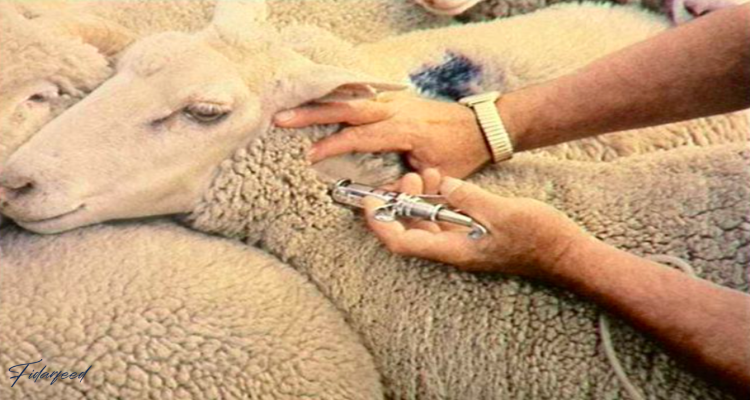
Vaccination isn’t just a routine task—it’s a powerful tool to shield your flock from costly diseases. A well-planned vaccination program reduces the risk of outbreaks, decreases lamb mortality, and helps maintain consistent growth rates.
Learn more about: Product
Healthy sheep mean better wool, meat, and reproductive performance, which all translate into increased profitability. For any breeder, especially those managing large flocks, vaccination offers peace of mind and a reliable way to secure the future of their herd.
Understanding the Most Common Diseases Prevented by Sheep Vaccination
Sheep face several threats that can rapidly undermine flock health. Clostridial diseases like enterotoxemia and tetanus are often fatal without vaccination. Pasteurellosis causes pneumonia, a major killer in lambs and adults alike.
Learn more about: Dorper Sheep Farming: Producing High-Quality Meat for Maximum Profit
Footrot, a painful and contagious infection, can cripple your sheep’s mobility and reduce grazing efficiency. Vaccines targeting these and other illnesses create a shield, allowing your flock to thrive even in challenging conditions.
When and How Often Should You Vaccinate Your Sheep?
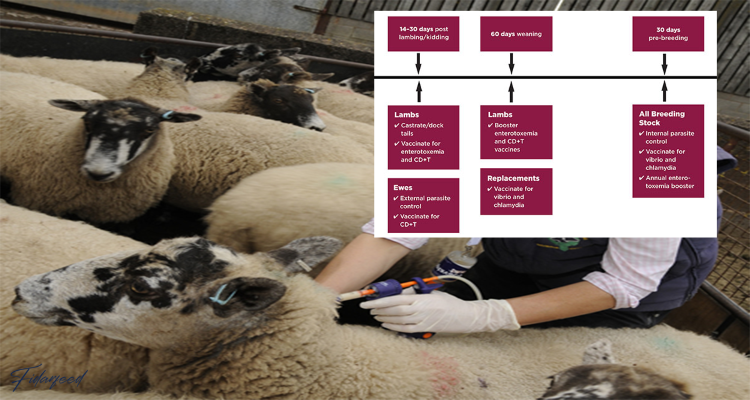
Timing is everything. Newborn lambs rely heavily on maternal antibodies from colostrum, so their first vaccines often come after this passive immunity fades. Typically, breeders vaccinate ewes several weeks before lambing to pass immunity to their offspring. Booster shots during the year ensure sustained protection.
Learn more about: How to Treat Ringworm in Sheep and Lambs: A Complete Guide
Seasonal vaccination schedules should also account for local disease pressure and breeding cycles. Following veterinary advice tailored to your farm conditions ensures the best timing.
How Vaccination Improves Sheep Productivity on Real Farms
On farms where vaccination programs are diligently followed, the results are clear. Reduced illness means fewer vet visits and less medication—saving time and money.
Learn more about: The Essential Guide: How Do Sheep Help Farmers?
For example, vaccinated flocks show better weight gains because their sheep stay healthy and can convert feed efficiently. Healthier ewes produce more and stronger lambs, increasing flock size and income. These benefits compound over time, demonstrating that vaccination is an investment in long-term success.
What to Expect After Vaccinating Your Sheep
It’s natural to wonder about side effects. Most sheep tolerate vaccines well, but mild reactions like slight swelling at the injection site or temporary lethargy can occur. These signs usually pass within a day or two. Monitoring your flock closely after vaccination is important—observe them for any unusual behavior or symptoms. If you see anything concerning, consulting your veterinarian promptly can prevent complications.
Best Practices for Storing and Handling Sheep Vaccines
Vaccines are delicate and require proper care. Maintaining the cold chain—from storage to administration—is essential to preserve their effectiveness. Keep vaccines refrigerated but avoid freezing.
Learn more about: The Complete Guide to Sheep Farming for Beginners
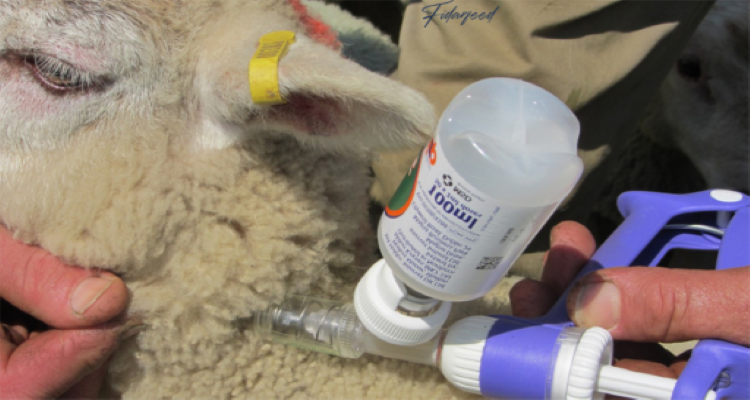
Always check expiration dates before use. Clean syringes and needles reduce infection risks and ensure precise dosing. Handling vaccines correctly is just as important as the vaccination itself to get the best results for your flock.
Vaccinating Lambs: Special Considerations for the Youngest Members of Your Flock
Lambs need special attention. Their immune systems are still developing, and maternal antibodies from colostrum can interfere with some vaccines. That’s why timing is crucial.
Learn more about: Solving Rumen Health Problems in Sheep with Probiotics
Vaccinating lambs too early might render the vaccine less effective, but waiting too long leaves them vulnerable. A careful balance is needed, often starting vaccinations at a few weeks old with boosters later. This approach builds robust immunity that supports their growth into healthy adults.
Combining Nutrition and Vaccination for Stronger Immune Response
Vaccination effectiveness hinges on more than just the shot itself. Good nutrition strengthens the immune system, making vaccines work better. Minerals like selenium, zinc, and copper play vital roles in immune health. Providing balanced feed supplements ensures your sheep have the building blocks for strong defenses.
Learn more about: Alternative Feed Ingredient
When animals are well-nourished, they respond more vigorously to vaccines and recover faster from illness, creating a positive cycle of health and productivity.
Mistakes to Avoid in Your Sheep Vaccination Program
Even the best plans can falter if common pitfalls are overlooked. Missing booster shots or vaccinating at the wrong time can leave your flock exposed. Over-vaccination wastes resources and can stress animals unnecessarily. Poor recordkeeping leads to confusion and inconsistent protection. To avoid these errors, create a clear vaccination calendar, stick to veterinary guidance, and keep detailed logs. Prevention is always easier and cheaper than treating outbreaks.

Building a Long-Term Sheep Health Plan with Vaccination at Its Core
Vaccination is just one part of a broader health strategy. Integrating it with good nutrition, parasite control, and biosecurity measures forms a comprehensive defense against disease. Collaborate regularly with your veterinarian to tailor plans specific to your flock’s needs. Keep detailed health records to track progress and make informed decisions. A well-managed vaccination program becomes the backbone of a thriving flock, ensuring sustainable productivity for years to come.
Conclusion
Sheep Vaccination for Flock Health and Productivity is an indispensable practice that every sheep breeder should prioritize. It protects your animals from devastating diseases, improves growth and reproductive performance, and ultimately supports the economic success of your farm. By understanding common diseases, following proper vaccination schedules, combining nutrition, and avoiding common mistakes, you can build a resilient, productive flock.
I invite you to share your experiences, ask questions, or discuss challenges in the comments below. Your insights enrich the community, and together, we can advance healthier, more productive sheep farming.