Introduction: Why Every Poultry Breeder Needs a Practical Management Guide
Poultry Breeder Management Guide is more than just a phrase—it’s the foundation of a productive, healthy, and sustainable poultry operation. Whether you’re just starting your breeding journey or you’ve been managing flocks for years, having a structured plan in place is vital. Every decision you make—from housing to feed to health protocols—can directly impact your flock’s productivity, health, and longevity. That’s why this comprehensive guide is here: to give you practical insights, real-life applications, and proven strategies to elevate your poultry breeding success. Read on to uncover the key pillars of successful poultry breeder management.
Planning for Success: Building a Smart Poultry Breeder Management Routine
A well-organized management routine is your best tool for reducing flock stress, preventing disease, and boosting productivity. Start by dividing your tasks into daily, weekly, and seasonal checklists.
Learn more about: Active Probiotic Yeast for Poultry
Daily tasks should include feed and water checks, egg collection, and quick flock inspections. Weekly routines may involve coop cleaning, weight monitoring, and health checks. Seasonal management includes adjusting lighting for breeding cycles, revisiting biosecurity protocols, and preparing for weather changes. Successful breeders treat their operations like clockwork, where consistency leads to predictable and improved outcomes.
Housing and Environment: Creating a Comfortable Home for Your Birds
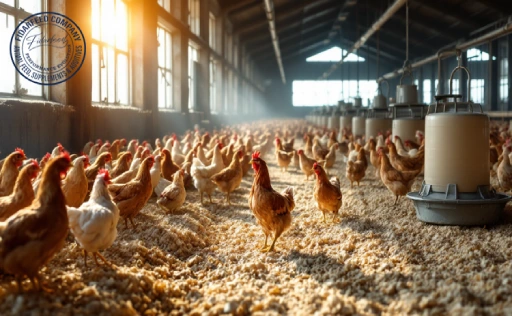
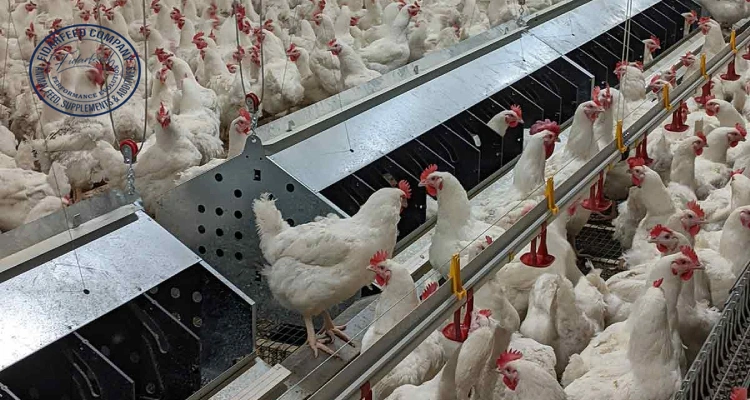
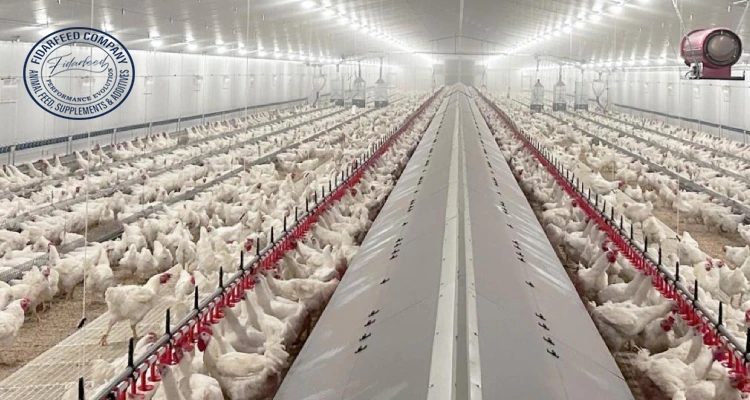
Your birds’ environment is critical to their welfare and productivity. Proper housing starts with enough space: overcrowding leads to stress and disease spread. Aim for at least 2-3 square feet per bird indoors and 4-5 square feet outdoors.
Learn more about: Cobb 500 Broiler Manual: Your Complete Guide to Profitable Poultry Farming
Ventilation is equally important. Poor airflow causes respiratory issues, especially in humid conditions. Use fans or natural cross-ventilation systems to maintain air quality. Maintain dry litter by using absorbent materials like straw or wood shavings, and change it regularly. Adequate lighting—about 14-16 hours per day during peak breeding seasons—stimulates egg production and keeps birds active and engaged.
Feeding Strategies: Nutrition Tips from the Poultry Breeder Management Guide
Feeding isn’t just about filling feeders—it’s about delivering balanced, age-appropriate nutrition. Breeder hens need higher levels of calcium, protein, and key vitamins to support egg production and fertility.
Offer formulated breeder rations containing at least 16-18% protein, enriched with essential amino acids like methionine and lysine. Ensure access to clean water 24/7, and add supplements like probiotics or vitamins during stress periods. Real-world studies show that flocks on well-balanced diets not only lay more eggs but also produce chicks with stronger immunity and better hatchability.
Breeding Best Practices: How to Improve Genetics and Hatchability
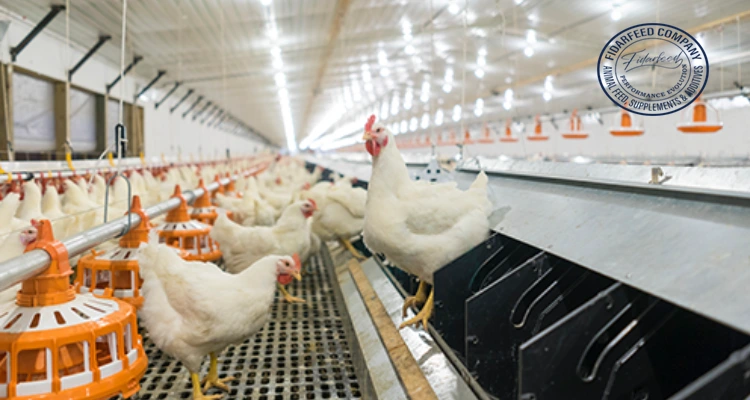
Successful breeding starts with careful selection. Choose birds with strong genetic traits: good size, disease resistance, consistent laying records, and healthy lineage. Maintain a proper male-to-female ratio (usually 1:10 for chickens) to optimize fertility.
Learn more about: Smart Chicken Waste Management: Sustainable Solutions for Poultry Farmers
Rotate breeding stock to avoid inbreeding, and record mating outcomes to identify your best performers. Set eggs promptly, ideally within 7 days of laying, and store them in a cool, humid environment if there’s a delay. Research shows that proper egg handling alone can improve hatch rates by over 15%.
Health and Biosecurity: Keeping Disease Out and Your Birds Thriving
Health management isn’t just about treating illness—it’s about preventing it. Follow a strict vaccination schedule tailored to your region’s disease risks. Use footbaths, change clothes when entering different coops, and restrict visitor access to minimize contamination.
Learn more about: Probiotic Supplement for Poultry
Quarantine new or returning birds for at least 2 weeks before introducing them to the flock. Regularly clean feeders, waterers, and nesting boxes. Keep records of illness, treatments, and mortality to detect patterns early. Remember, a clean, biosecure coop is the first line of defense against outbreaks.
Monitoring Productivity: Using Data to Fine-Tune Your Poultry Breeder Management
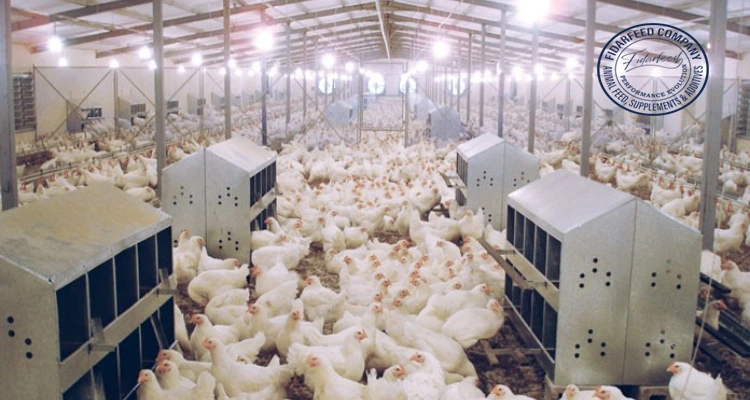
Data is a breeder’s best friend. Track metrics like feed conversion ratio (FCR), egg production per hen, fertility rates, and hatchability percentages. These numbers reveal what’s working—and what isn’t.
Learn more about: Boost Your Poultry’s Growth with Sustainable, High-Quality Processed Meat Meal
For example, a sudden drop in egg production could indicate nutritional deficiencies or early signs of illness. Use simple spreadsheets or poultry management apps to keep daily logs. Successful breeders use this data to tweak feed, lighting, and mating schedules for optimized results.
Managing Stress and Seasonal Challenges in Poultry Breeding
Stress is a silent productivity killer. Heat, cold, overcrowding, and rough handling can reduce laying rates and fertility. During hot months, ensure shade, increase water availability, and use fans or misters. In cold weather, insulate coops and maintain lighting levels.
Learn more about: Mastering the Basics: A Comprehensive Broiler Breeder Management Guide
Introduce new birds gradually, and avoid sudden changes in feed or schedule. Provide environmental enrichments like dust baths and perches. Research confirms that birds with enriched, low-stress environments have better reproductive performance and stronger immunity.
From Experience: Lessons from Successful Poultry Breeders
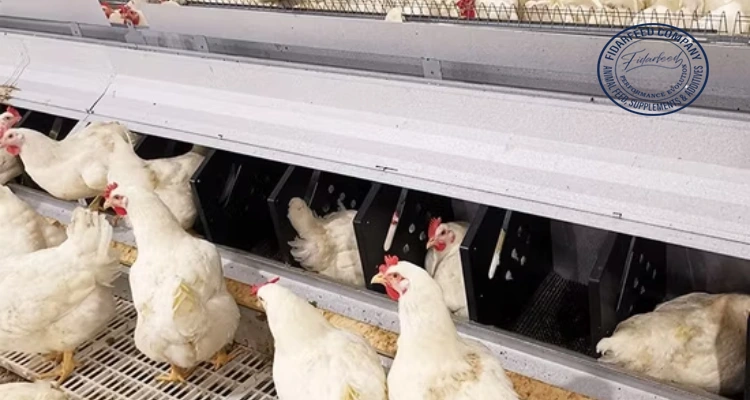
Consider Rania, a small-scale breeder in Egypt. After attending a local training on breeder management, she switched to a structured routine and added probiotic supplements. Within two months, she noticed a 25% increase in hatch rates.
Learn more about: Cobb 500: The Broiler Breeder’s First Choice – Unveiled
Or take Jonas, a commercial breeder in Kenya, who began monitoring FCR and adjusted his feed mix accordingly. His flocks now reach market weight a week earlier on average, saving thousands in feed costs annually. These stories show that even small changes can lead to big improvements.
Conclusion: Start Applying This Poultry Breeder Management Guide Today
A successful poultry breeding program doesn’t happen by chance—it’s the result of consistent, informed, and proactive management. From housing and nutrition to health protocols and breeding techniques, every element in this Poultry Breeder Management Guide is designed to help you raise a stronger, more productive flock.
Now it’s your turn: start implementing these tips, observe your results, and adapt as you learn. Have questions or want to share your own experience? Drop a comment below—we’d love to hear from you!