Raising healthy, productive livestock is no easy task. Every breeder, whether experienced or new to the field, knows that proper nutrition is the foundation of success. Livestock productivity with TMR silage has been proven to significantly enhance growth rates, improve milk and meat yields, and reduce feed wastage. But how does it work, and why are so many farmers embracing this approach? Let’s dive into the details.
What Is TMR Silage and Why Does It Matter for Livestock Productivity?
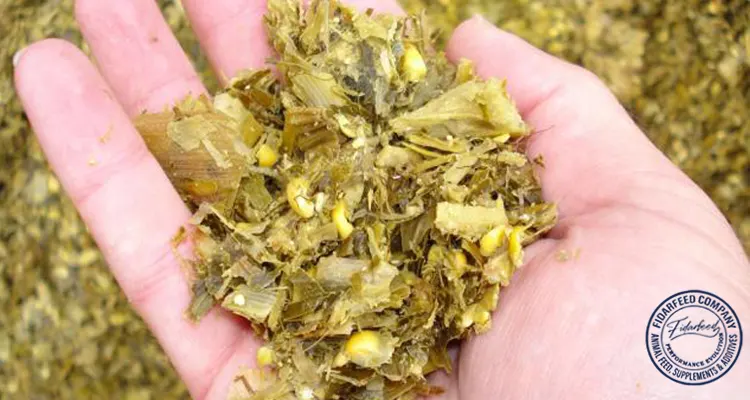
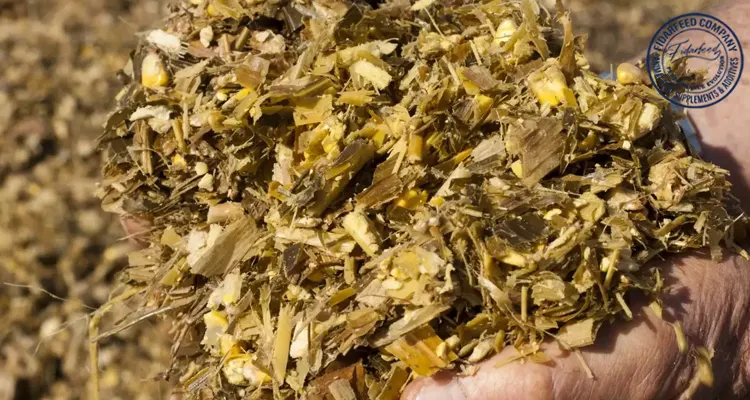
Total Mixed Ration (TMR) silage is a scientifically balanced feed that combines forages, grains, proteins, minerals, and vitamins into a single, homogenous mixture. This method ensures that each bite of feed delivers the necessary nutrients for optimal animal health and performance.
Learn more about: TMR Silage Animal Feed
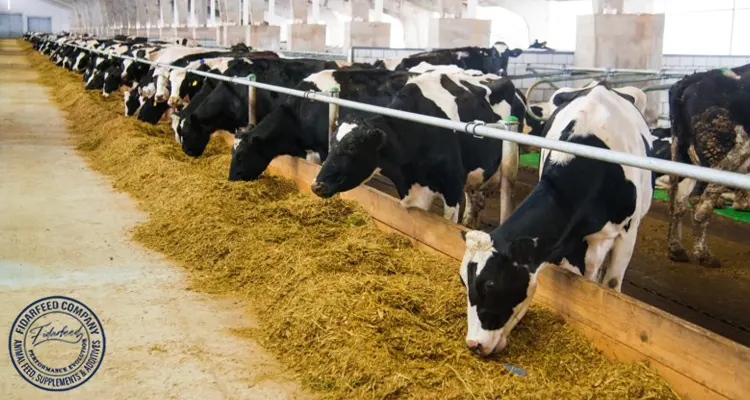
Unlike conventional feeding methods, where livestock may selectively eat certain ingredients and ignore others, TMR silage eliminates sorting and guarantees a consistent intake of essential nutrients. This leads to better digestion, improved weight gain, and higher productivity levels.
How TMR Silage Optimizes Nutrient Absorption for Maximum Growth
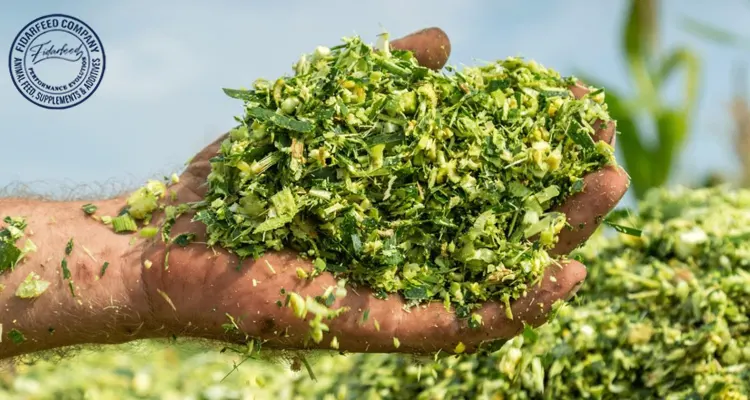
A well-prepared TMR silage formulation ensures that livestock receive a balanced diet, which directly influences nutrient absorption. By finely chopping forages and blending them with other ingredients, the mixture becomes easier to digest. This allows the rumen microbes to break down the feed more efficiently, resulting in enhanced nutrient utilization.
Learn more about: TMR Silage as Complete Feed: Benefits for Dairy Cows
Scientific studies have shown that livestock fed on TMR silage exhibit higher feed conversion ratios (FCR), meaning they gain more weight or produce more milk per unit of feed consumed. This not only benefits the animals but also increases profitability for farmers.
Increased Milk and Meat Production: The Direct Impact of TMR Silage
For dairy farmers, milk production is the ultimate goal. Research indicates that cows on a well-balanced TMR silage diet produce more milk compared to those on traditional feeding systems. The consistency in their diet helps maintain stable rumen pH levels, reducing metabolic disorders and improving milk quality.
Learn more about: TMR Silage Production: A Farm-to-Feed Process
Similarly, beef producers notice significant gains in muscle development when using TMR silage. The controlled balance of protein and energy helps animals reach market weight faster without excessive fat deposition, making them more desirable in the meat industry.
The Cost-Saving Benefits of TMR Silage in Livestock Farming
One of the biggest concerns for livestock farmers is feed cost and wastage. TMR silage offers several financial advantages:
Reduced Feed Waste: Since animals consume the entire mix without sorting, there’s less leftover or discarded feed.
Lower Labor Costs: Feeding a single, pre-mixed ration simplifies the process and reduces labor time.
Learn more about: Common Challenges in TMR Silage and How to Solve Them
Efficient Feed Utilization: The improved digestibility means that farmers get more value from every kilogram of feed provided.
These savings contribute to higher profit margins, making TMR silage an economically smart choice.
How TMR Silage Enhances Digestion and Prevents Nutritional Deficiencies
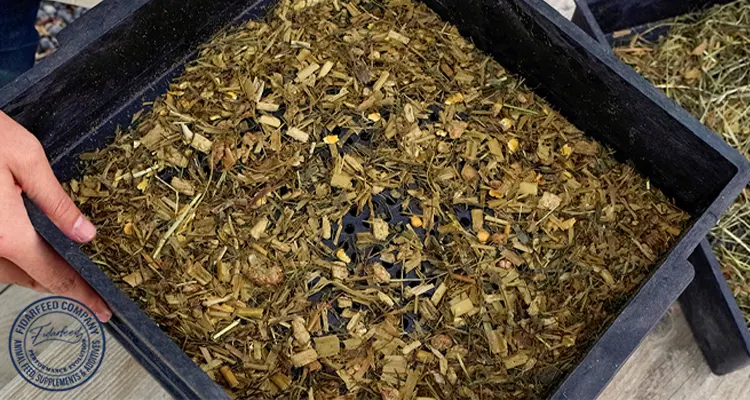
Poor digestion can lead to bloating, acidosis, and weight loss. TMR silage helps prevent these issues by maintaining a stable balance of fiber, energy, and proteins. The even distribution of nutrients prevents selective eating, ensuring animals get adequate vitamins and minerals for growth and immunity.
Learn more about: TMR Corn Silage: A Complete Guide for Dairy and Beef Farmers
Additionally, TMR silage improves rumen health, allowing for better fermentation and reduced risk of digestive disorders. Healthier livestock means fewer veterinary expenses and better overall farm efficiency.
Step-by-Step Guide: How to Prepare High-Quality TMR Silage
Select High-Quality Forages: Choose nutrient-rich grasses, corn silage, or legumes as the base.
Balance the Nutrients: Incorporate grains, protein sources, minerals, and vitamins.
Chop and Mix Thoroughly: Ensure uniform particle size to prevent sorting.
Learn more about: Silage vs. TMR: Which is Right for Your Herd?
Proper Storage: Store the silage in airtight conditions to prevent spoilage and nutrient loss.
Monitor and Adjust: Regularly analyze the ration to maintain optimal feed quality.
By following these steps, farmers can produce highly digestible, energy-rich silage that maximizes livestock performance.
Common Mistakes to Avoid When Using TMR Silage
While TMR silage offers numerous benefits, improper preparation or feeding can lead to issues. Avoid these common mistakes:
Poor Mixing: Inconsistent rations can lead to nutrient imbalances.
Inadequate Storage: Exposure to air can cause spoilage, leading to mold and toxin buildup.
Learn more about: What Is TMR Silage and Why Is It a Smart Choice for Livestock Feed?
Incorrect Feed Ratios: Too much starch can cause acidosis, while too little protein may limit growth.
By understanding and avoiding these errors, farmers can unlock the full potential of TMR silage.
Why Livestock Farmers Worldwide Are Switching to TMR Silage
From small-scale dairy farmers to large beef producers, more livestock owners are recognizing the benefits of TMR silage. Farmers who have switched report higher milk yields, better weight gain, and reduced feed costs. Additionally, they notice improved animal health, which translates into fewer losses and higher profits.
Learn more about: How TMR Silage Cuts Down Veterinary Expenses in Livestock Farming
With an increasing global demand for sustainable and efficient livestock production, TMR silage is becoming the gold standard in modern farming.
Is TMR Silage the Future of Livestock Feeding? Here’s What Experts Say
Agricultural scientists and nutritionists agree that TMR silage is one of the most efficient feeding strategies available today. Studies show that it enhances farm profitability while ensuring animal well-being.
Moreover, as climate change affects feed availability, TMR silage offers a stable, reliable solution for livestock nutrition. Its ability to optimize feed resources, reduce waste, and improve efficiency makes it a promising option for the future of livestock farming.
Conclusion
Livestock productivity with TMR silage is more than just a concept, it’s a proven method for boosting efficiency and profitability. By providing a balanced, nutrient-rich diet, TMR silage helps farmers achieve higher milk yields, faster weight gain, and lower costs.
If you’ve used TMR silage or are considering making the switch, we’d love to hear from you! Share your experiences, ask questions, or leave a comment below. Let’s continue the conversation and explore how TMR silage can revolutionize livestock farming together!