Total Mixed Ration (TMR) silage is a game-changer in livestock nutrition. It provides a balanced diet by combining forages, grains, proteins, minerals, and vitamins into a single, well-mixed feed. However, common challenges in TMR silage can undermine its effectiveness, affecting livestock health, productivity, and farm profitability. If not properly managed, issues like poor fermentation, nutrient imbalance, and mold contamination can compromise feed quality. Fortunately, each of these problems has practical solutions. Let’s explore how to identify and resolve them effectively.
Understanding TMR Silage: Why It Matters for Livestock Health
TMR silage simplifies feeding by ensuring a consistent and nutritionally balanced diet. Unlike traditional feeding methods, where animals may sort through and consume only preferred ingredients, TMR prevents selective feeding and ensures optimal intake of essential nutrients.
Learn more about: TMR Silage Animal Feed
High-quality TMR silage promotes better digestion, improved milk yield in dairy cattle, enhanced weight gain in beef cattle, and overall herd health. But to achieve these benefits, it’s essential to recognize and address the common challenges in TMR silage.
Key Challenges in TMR Silage That Affect Performance
Despite its advantages, TMR silage presents various hurdles that livestock breeders must navigate. Common problems include:
- Inadequate fermentation leading to nutrient loss
- Unbalanced nutrient composition affecting animal health
- Mold and mycotoxin contamination posing health risks
Learn more about: TMR Silage Production: A Farm-to-Feed Process
- Variability in dry matter content reducing feed efficiency
- Palatability issues causing low intake
- Inconsistent mixing resulting in an unbalanced diet
- Poor storage practices leading to spoilage Addressing these issues requires a deep understanding of their causes and practical solutions.
Poor Fermentation: Causes, Consequences, and Fixes
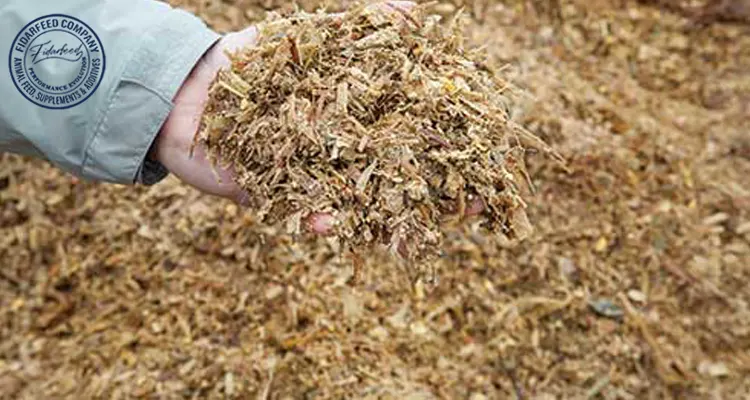
Fermentation is key to preserving TMR silage. When fermentation is inefficient, it results in nutrient degradation, excessive spoilage, and unpleasant odors that reduce feed intake. Poor fermentation is often caused by:
- Improper moisture levels – Ideal dry matter content should be around 35-45%.
- Insufficient packing – Poorly compacted silage allows oxygen penetration, which hinders fermentation.
- Delayed sealing – Exposure to air for extended periods promotes spoilage. How to Solve: Ensure proper packing and immediate sealing with high-quality plastic to create an anaerobic environment. Using silage inoculants can also enhance fermentation efficiency.
Learn more about: TMR Corn Silage: A Complete Guide for Dairy and Beef Farmers
Nutrient Imbalance: Ensuring Proper Feed Composition
Livestock require a precise balance of proteins, energy, fiber, vitamins, and minerals. If TMR silage lacks essential nutrients, cattle may suffer from reduced productivity, metabolic disorders, and poor immune function. How to Solve: Regularly test silage for nutritional composition and adjust the mix accordingly. Work with a livestock nutritionist to ensure balanced rations tailored to your herd’s needs.
Learn more about: Silage vs. TMR: Which is Right for Your Herd?
Mold and Mycotoxins: Prevention and Control Strategies
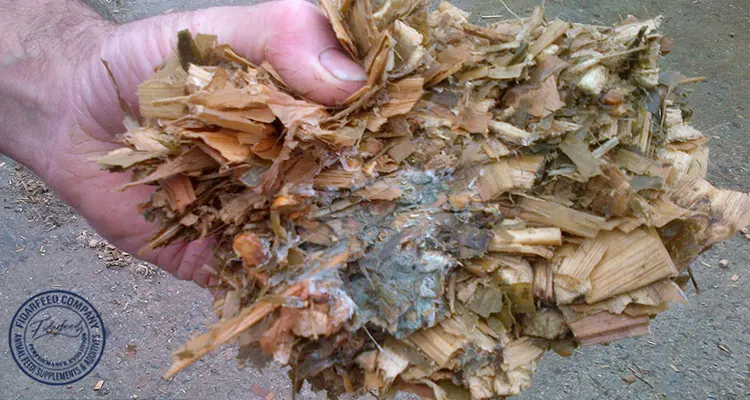
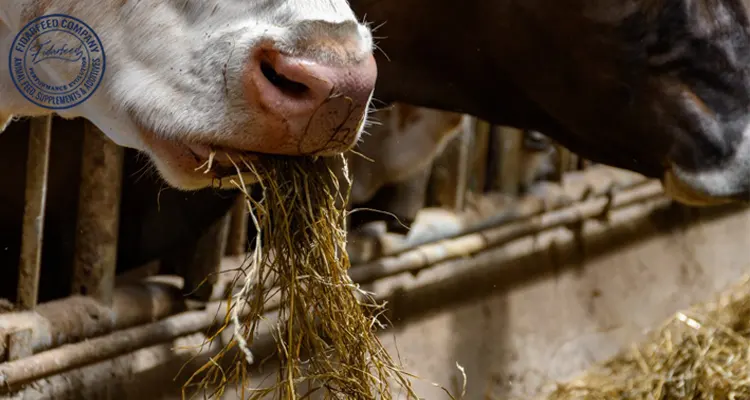
Mold growth and mycotoxin contamination are major threats to silage quality, leading to reduced feed intake, digestive issues, and long-term health complications. How to Solve: Properly compact and seal silage to prevent oxygen exposure. Regularly inspect silage for visible mold and perform mycotoxin tests. Using mold inhibitors or mycotoxin binders can further protect feed quality.
Learn more about: Did You Know Livestock Productivity with TMR Silage Can Double?
Dry Matter Fluctuations: Maintaining Consistency in Feed
Inconsistent dry matter levels affect the nutritional density of TMR, leading to unpredictable feed intake and digestion issues. How to Solve: Regularly monitor the dry matter content of silage and adjust water or additional dry feed components accordingly. Avoid excessive moisture loss by covering silage tightly.
Palatability Problems: How to Keep Livestock Interested in Feed
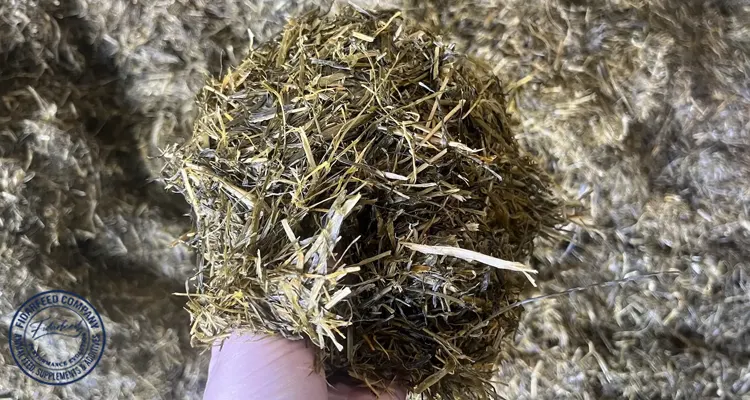
If cattle refuse TMR silage, they won’t receive the intended nutritional benefits. Common causes include poor fermentation, mold presence, or imbalanced flavors. How to Solve: Ensure high-quality ingredients and optimal fermentation. Adding molasses or palatability enhancers can encourage feed consumption.
Learn more about: How TMR Silage Cuts Down Veterinary Expenses in Livestock Farming
Mixing and Distribution Errors: Achieving a Uniform Ration
Uneven mixing can lead to nutritional deficiencies, as some animals may receive too much of one nutrient and too little of another. How to Solve: Use a properly calibrated TMR mixer, and avoid over- or under-processing ingredients. Mix feed in layers for even distribution and monitor consistency regularly.
Storage and Preservation: Avoiding Spoilage and Losses
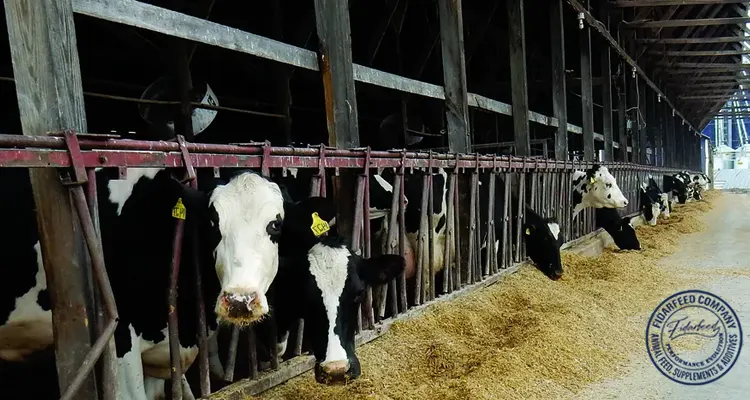
Poor storage conditions accelerate spoilage, reducing the nutritional value of TMR silage. How to Solve: Store silage in well-maintained bunkers or silos, ensuring they are airtight and protected from rodents, rain, and direct sunlight. Use high-quality plastic covers and weigh them down to maintain airtight conditions.
Practical Tips to Improve TMR Silage Quality Year-Round
To consistently achieve high-quality TMR silage, implement these best practices:
- Harvest at the right time – Ensure crops are at the ideal maturity stage for maximum nutrient retention.
- Use high-quality additives – Inoculants and preservatives enhance fermentation and prolong feed stability.
- Monitor storage conditions – Regularly check silage bunkers for damage, oxygen leaks, or contamination.
- Conduct frequent feed testing – Regular nutrient analysis helps adjust rations for optimal cattle performance.
- Train farm staff on best practices – Proper silage management requires teamwork and consistent application of proven techniques.
Conclusion
TMR silage is a powerful tool for livestock nutrition, but its success depends on effective management. By addressing challenges like poor fermentation, mold contamination, and mixing inconsistencies, farmers can ensure their animals receive high-quality feed that supports productivity and health. Are you facing any specific TMR silage challenges on your farm? Share your experiences and questions in the comments below—we’d love to hear from you!