The benefits of probiotics in poultry farming go far beyond gut health. These beneficial microorganisms play a vital role in improving digestion, strengthening immunity, and enhancing overall bird performance. For poultry breeders, whether experienced or just starting out, understanding how probiotics work can be a game-changer. By optimizing feed efficiency and reducing the need for antibiotics, probiotics not only promote healthier birds but also contribute to a more sustainable and profitable farming operation. Let’s explore how probiotics can revolutionize poultry farming and why they should be an essential part of every breeder’s strategy.
What Are Probiotics and Why Do They Matter in Poultry Farming?
Probiotics are live beneficial bacteria that support a healthy digestive system in poultry. Found naturally in the gut, these microorganisms help balance the intestinal flora, ensuring optimal digestion and nutrient absorption.
Learn more about: Active Probiotic Yeast for Poultry
In modern poultry farming, stress factors such as environmental changes, transportation, and diet shifts can disrupt gut health, making birds more susceptible to disease. By supplementing poultry feed with probiotics, farmers can maintain a balanced microbiome, leading to healthier and more resilient flocks.
How Probiotics Improve Gut Health and Digestion in Poultry
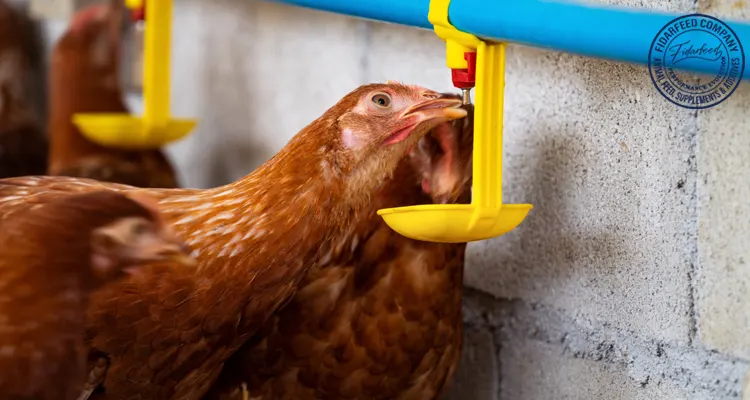
A healthy gut is the foundation of a productive poultry farm. Probiotics work by colonizing the intestines with good bacteria, outcompeting harmful pathogens and reducing the risk of digestive issues like diarrhea and dysbiosis. Improved gut health translates to better nutrient absorption, meaning birds get more out of their feed.
Learn more about: ChikaChika: Benefits of Raising Campine Chickens
Research shows that poultry supplemented with probiotics exhibit improved feed conversion ratios (FCR), meaning less feed is required for weight gain. This results in cost savings for farmers while ensuring birds receive optimal nutrition.
Boosting Immunity: How Probiotics Help Poultry Fight Diseases
Poultry farmers constantly battle diseases that can lead to significant economic losses. Probiotics play a crucial role in enhancing immune function by stimulating the production of natural antibodies and strengthening the gut barrier against harmful bacteria.
Learn more about: The Ultimate Poultry Breeder Management Guide: Boost Your Flock’s Productivity
Studies have shown that birds receiving probiotic supplementation experience lower mortality rates and are less prone to infections like Salmonella and E. coli. This natural defense mechanism reduces the dependency on antibiotics, helping farmers produce healthier, antibiotic-free poultry products.
Better Growth and Feed Efficiency: The Economic Advantage of Probiotics
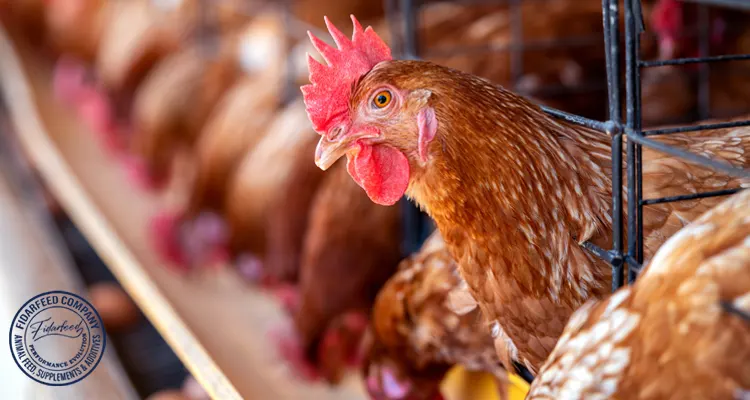
For any poultry breeder, optimizing growth rates and feed efficiency is a top priority. Probiotics contribute to faster weight gain and improved muscle development, particularly in broilers, by enhancing protein metabolism and digestion.
Learn more about: The Egg Production Cycle: From Laying to Market
With a more efficient digestive system, birds utilize their feed more effectively, leading to reduced waste and lower production costs. Additionally, layer hens supplemented with probiotics have been shown to produce higher-quality eggs with stronger shells and better yolk color, adding value to egg production operations.
Probiotics for Stress Management: Keeping Poultry Healthy Under Pressure
Poultry are highly sensitive to stress, whether from transportation, extreme weather conditions, vaccinations, or high stocking densities. Stress weakens the immune system, making birds more vulnerable to infections. Probiotics act as a natural buffer against stress by maintaining gut balance and preventing the overgrowth of harmful bacteria during stressful periods. Farmers who use probiotics report fewer cases of heat stress-related mortality and improved bird resilience during seasonal changes.
Natural Alternative to Antibiotics: Why Probiotics Are the Future
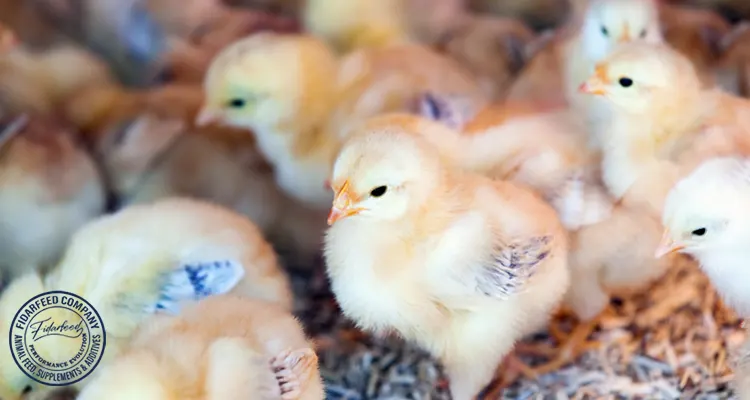
With increasing global restrictions on antibiotic use in livestock, probiotics provide a natural and effective alternative for maintaining flock health. Antibiotic resistance is a growing concern, and excessive antibiotic use in poultry farming has been linked to public health risks. Probiotics offer a sustainable solution by reducing the need for antibiotics while ensuring birds remain healthy.
Learn more about: Probiotic Supplement for Poultry
Many large poultry producers are already making the shift toward probiotic-based health management, aligning with consumer demand for safer and more natural poultry products.
How to Choose the Right Probiotics for Your Poultry Farm
Not all probiotics are created equal, and choosing the right strain is essential for maximum benefits. When selecting a probiotic supplement, consider the following factors:
Strain-specific benefits: Different probiotic strains offer various advantages, such as improved digestion, immune support, or stress reduction.
Stability and viability: Ensure the probiotic can survive storage conditions and maintain effectiveness in poultry feed.
Learn more about: Optimizing Poultry Diets: Processed Meat Meal in Animal Feed for Enhanced Protein
Scientific backing: Opt for probiotics that have been tested and proven effective in poultry farming.
Ease of administration: Choose a product that can be easily mixed with feed or water for convenient supplementation.
Consulting with a poultry nutritionist or veterinarian can help ensure you choose the best probiotic solution for your specific farm conditions.
Conclusion: Why Every Poultry Farmer Should Consider Probiotics
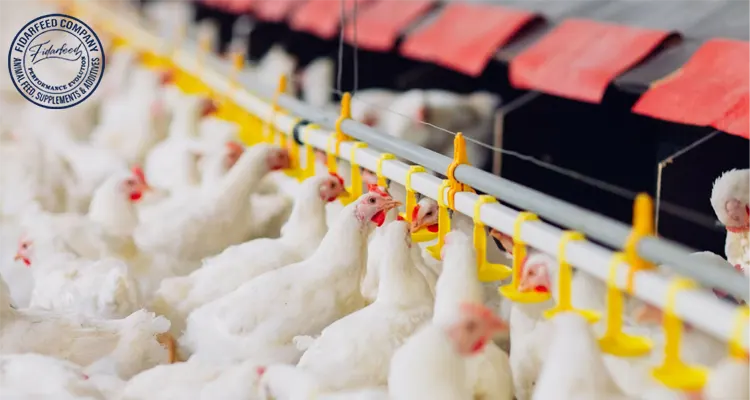
Probiotics have emerged as a powerful tool in modern poultry farming, offering a natural way to enhance gut health, boost immunity, improve feed efficiency, and reduce reliance on antibiotics. Whether you run a small backyard flock or a large commercial operation, incorporating probiotics into your poultry management plan can lead to healthier birds, increased productivity, and greater profitability.
Have you used probiotics in your poultry farm? Share your experiences, questions, or insights in the comments below!