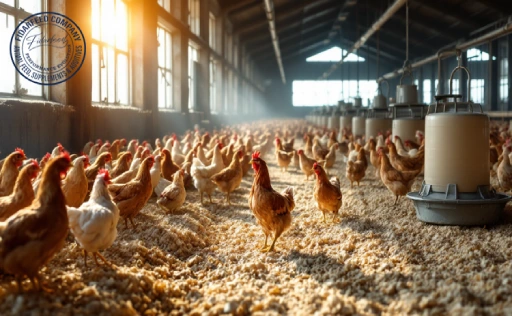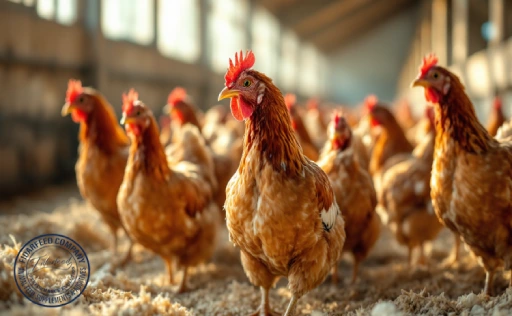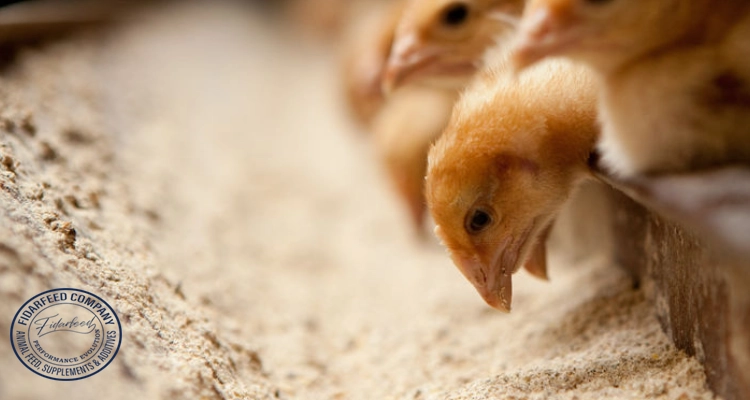
The Significance of Feed Additives in Animal Nutrition is more relevant today than ever before. In an industry facing increasing pressures from climate change, disease outbreaks, and market demand for sustainable farming, feed additives offer a practical and science-backed solution. Whether you’re a seasoned breeder managing a large herd or a newcomer starting with a small flock, understanding the role of feed additives can make a world of difference. In this article, we’ll explore the many ways these small but powerful ingredients are shaping the future of animal nutrition and helping breeders across the world boost productivity and animal well-being.
What Are Feed Additives and Why Do They Matter?
Feed additives are ingredients added to animal diets in small quantities to enhance the quality of feed and improve animal health and performance. These include vitamins, minerals, enzymes, probiotics, and growth promoters. While the base feed provides energy and protein, additives ensure the feed is optimized for digestion, absorption, and physiological support.
In today’s breeding operations, where animals are expected to grow faster, resist disease, and reproduce efficiently, feed additives act like insurance policies for consistent performance and health. Without them, even a nutritionally complete diet can fall short under stress, poor environmental conditions, or high production demands.
Learn more about: Everything You Need to Know About Wholesale Feed Additives
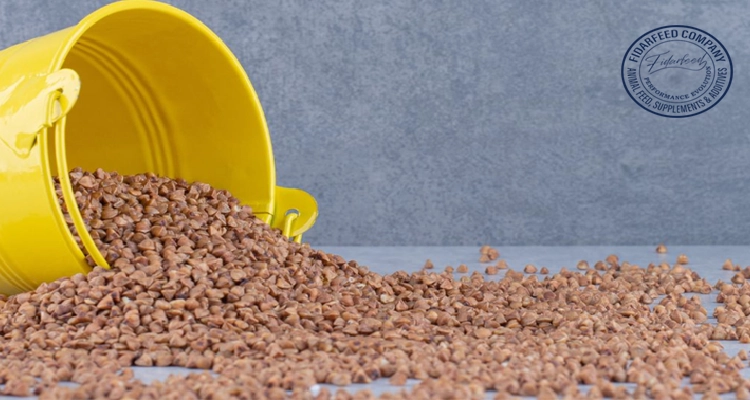
Enhancing Animal Health Through Feed Additives
Health is wealth in animal farming. Additives like probiotics, organic acids, and essential oils support gut health and reduce the risk of infections. For example, Bacillus subtilis strains used in poultry feed help balance gut flora and suppress harmful bacteria like E. coli.
Scientific studies have shown that animals with healthier guts are less likely to need antibiotics, a growing concern for breeders mindful of resistance and consumer demand for antibiotic-free products. Additives like zinc and selenium also strengthen immune responses, making animals more resilient against disease outbreaks.
Learn more about: Affordable zeolite feed additive: Your Guide to High-Quality, Low-Cost Options
Boosting Growth and Feed Efficiency in Breeding Programs
One of the most attractive benefits of feed additives is their ability to improve feed conversion ratios (FCR). In simple terms, this means animals gain more weight from less feed. Enzymes like phytase, for instance, help break down indigestible components in grains, making nutrients more available and reducing waste.
This directly impacts profitability. A broiler farm using enzyme-supplemented feed may see a 5-10% improvement in growth rate and feed efficiency. Over time, these gains compound, enabling breeders to produce more meat or milk using fewer resources.
Learn more about: Microencapsulation Technology: Revolutionizing Animal Feed Additives
The Role of Feed Additives in Improving Reproductive Performance
Reproduction is a key driver of success for breeders. Additives such as chelated minerals, vitamin E, and omega-3 fatty acids support hormonal balance, fertility, and embryo development. In swine production, for example, supplementing sows with selenium and vitamin E has been linked to improved conception rates and healthier litters.
Even small deficiencies in micronutrients can lead to missed breeding cycles or low birth weights. Ensuring animals get the right reproductive support can make the difference between an average and a high-yielding season.
Learn more about: Microbiology’s Impact on the Future of Animal Feed Additives
Navigating the Different Types of Feed Additives
Understanding the types of additives helps breeders make informed decisions. Here’s a quick guide:
- Probiotics: Promote gut flora balance (e.g., Lactobacillus species).
- Enzymes: Improve nutrient digestibility (e.g., phytase, xylanase).
- Amino acids: Balance protein synthesis (e.g., lysine, methionine).
- Minerals: Support immune and reproductive health (e.g., zinc, selenium).
- Vitamins: Essential for metabolism and overall health (e.g., vitamins A, D, E).
- Growth promoters: Natural or synthetic substances that encourage weight gain.
Each class plays a unique role, and combinations often yield the best results.
Learn more about: Nanotechnology: Shaping the Future of Animal Feed Additives
Natural vs. Synthetic Feed Additives: What Should Breeders Choose?
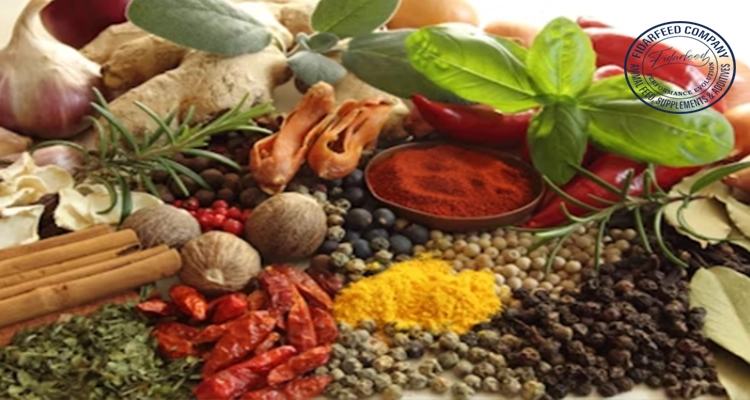
Both natural and synthetic additives have their place in modern farming. Natural options like plant extracts or essential oils appeal to breeders targeting organic or antibiotic-free markets. For example, oregano oil has antimicrobial properties and can serve as an alternative to traditional growth promoters.
On the other hand, synthetic additives tend to offer more consistent results and are backed by rigorous testing. The choice often comes down to production goals, market expectations, and budget. A balanced approach, using both types wisely, often delivers the best outcomes.
Learn more about: How Biotechnology is Transforming the Animal Feed Additives Industry
Regulatory Considerations and Safety of Feed Additives
Safety is a top priority. In most countries, feed additives must be approved by regulatory authorities (such as EFSA in the EU or FDA in the U.S.) before use. This ensures they are safe for animals, humans (via animal products), and the environment.
Breeders should always follow recommended dosages and watch for withdrawal periods if additives impact meat or milk safety. Partnering with reputable feed suppliers and consulting with animal nutritionists ensures compliance and peace of mind.
Learn more about: Your Essential Checklist When Selecting Bulk Animal Feed Suppliers
Economic Benefits: How Feed Additives Help Cut Costs and Improve Returns
While feed additives add upfront cost, the long-term savings and returns often outweigh this. Reduced disease, better growth rates, and improved reproduction all translate to fewer losses and more consistent income.
Consider a dairy farm that uses rumen-protected amino acids to boost milk yield. Even a modest increase in daily production can yield significant profits over time. With margins often tight in animal farming, strategic additive use is one of the smartest investments breeders can make.
Learn more about: Top Bentonite Manufacturers for Animal Feed: What to Look For
Choosing the Right Feed Additives for Your Animals
Not all animals need the same additives. Calves, layers, broilers, pregnant sows, and breeding bulls have different nutritional needs. When choosing additives, consider:
- Animal species and age
- Production goals (e.g., growth, milk, eggs)
- Health status and past issues
- Feed type and base nutrient quality
Working with a feed consultant or veterinarian can help you tailor your approach and avoid costly mistakes.
Learn more about: How to Spot Reliable Animal Feed Manufacturers
Future Trends in Feed Additive Technology and Animal Nutrition
The future of animal nutrition is high-tech and data-driven. Innovations like nano-encapsulation are improving additive delivery and absorption. AI and machine learning are also being used to develop customized feeding programs based on real-time data.
Precision nutrition—formulating diets down to the microgram based on individual animal needs—is already transforming large-scale operations. These advances mean better outcomes for animals, the environment, and the bottom line.
Learn more about: Meat Meal in Animal Feed: What It Is, How It’s Made, and Why It Matters
Final Thoughts: Why Understanding Feed Additives Is Key to Breeding Success
In today’s competitive and fast-evolving animal industry, understanding the significance of feed additives in animal nutrition is not optional—it’s essential. From enhancing health and growth to improving reproduction and cutting costs, feed additives offer breeders a powerful toolkit.
Whether you’re just starting out or looking to optimize a mature operation, making informed decisions about feed additives can significantly boost your success. Stay curious, stay informed, and always strive for better nutrition. Got questions or experiences to share? Drop a comment below—we’d love to hear from you!
Conclusion
Feed additives stand as a valuable asset in modern animal nutrition. By optimizing nutrient utilization, enhancing animal health and performance, and fostering sustainability, they assume a pivotal role in ensuring a secure, efficient, and ethically sound animal agriculture industry. As ongoing research continues to introduce novel and progressive feed additives, the future of animal nutrition holds promise.
Thank you for reading this article! If you have any questions or if anything is unclear, we encourage you to share them in the comments section below. Additionally, if you have any thoughts, suggestions, or experiences related to this topic, please don’t hesitate to share them with us and fellow readers. We are eager to hear from you and engage in meaningful discussions that can help us all improve and grow in the field of livestock, poultry, and aquaculture farming.