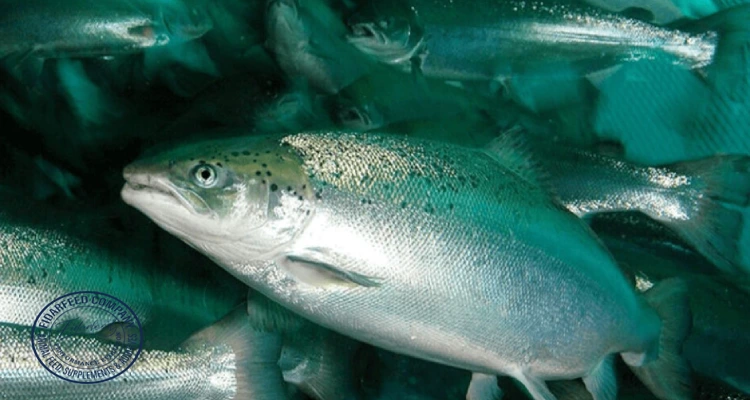
Organic additives for healthier farmed salmon are transforming the aquaculture landscape. As the demand for clean, sustainable seafood rises, salmon farmers are increasingly seeking alternatives to antibiotics and synthetic chemicals. Organic additives, including plant-based ingredients, essential oils, and probiotics, offer a natural approach to improving salmon health, boosting growth, and reducing environmental impact. In this article, we explore the science, benefits, and real-world applications of these natural feed solutions. If you’re a salmon breeder looking to improve fish vitality, enhance survival rates, and future-proof your farm, read on.
Why Organic Additives Matter in Salmon Farming
Farmed salmon face numerous health challenges, including stress, disease outbreaks, and water quality fluctuations. Traditionally, synthetic drugs and antibiotics have been used to control these issues. However, overuse of such substances can lead to antibiotic resistance, residue problems, and environmental damage.
Learn more about: Aquaculture Water & Soil Probiotic
Organic additives present a healthier and more sustainable alternative. These natural compounds work by enhancing the fish’s immune system, improving digestion, and reducing pathogen loads in the aquatic environment.
Understanding the Core Health Needs of Farmed Salmon
To thrive, farmed salmon need a balanced diet rich in proteins, fats, vitamins, and minerals. But health goes beyond basic nutrition. Strong immunity, gut health, and oxidative balance are critical to prevent disease and promote growth. Stress management is also essential, especially in high-density farming systems. Organic additives target these deeper aspects of health by supporting the microbiome, enhancing nutrient absorption, and reducing inflammatory responses.
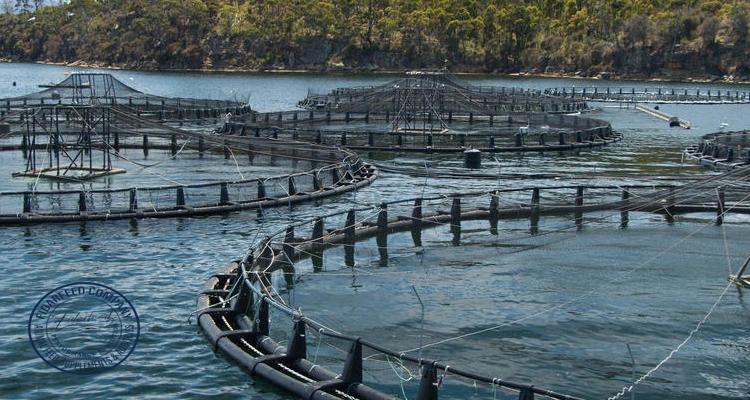
Top Organic Additives for Healthier Farmed Salmon
A variety of organic additives have shown promising results in salmon aquaculture:
- Plant extracts: Ingredients like garlic, turmeric, and oregano have antimicrobial and antioxidant properties.
- Essential oils: Oils from thyme, eucalyptus, and rosemary help combat harmful bacteria and improve gut health.
Learn more about: Daily Feed Prices for Livestock, Poultry & Aquaculture: Quality vs. Cost
- Probiotics and prebiotics: Beneficial microbes and fiber-based ingredients support a healthy intestinal flora.
- Fermented plant proteins: These not only improve digestibility but also supply bioactive compounds that enhance immunity.
Each of these additives can be tailored to specific challenges, such as parasite control, stress reduction, or gut stabilization.
How Organic Additives Improve Salmon Immunity and Gut Health
Scientific studies show that organic additives positively influence immune markers in salmon. For instance, dietary garlic has been linked to increased lysozyme activity and phagocytic capacity.
Learn more about: How Are Farmed Fish Fed? Understanding Aquaculture Feeding Practices
Similarly, probiotics like Bacillus subtilis and Lactobacillus strains help regulate gut microbiota and stimulate immune responses. By maintaining a balanced gut environment, these additives improve nutrient absorption and reduce susceptibility to infections such as sea lice and Aeromonas.
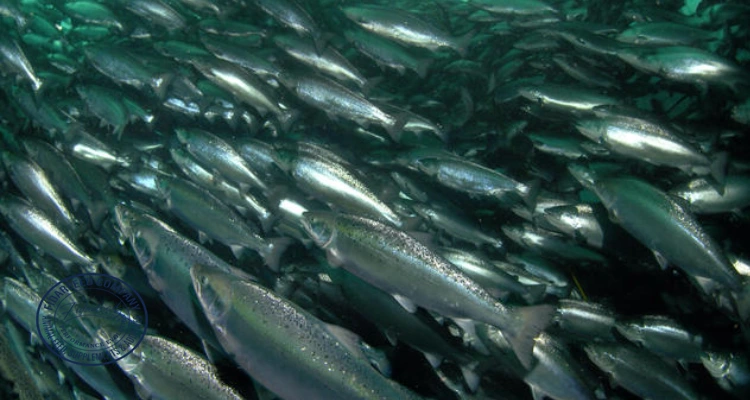
Boosting Growth and Performance Naturally: The Role of Organic Additives
Growth rate and feed conversion ratio (FCR) are key performance metrics for salmon farmers. Organic additives can enhance both. Fermented soybean meal, for example, has been shown to improve FCR and protein efficiency in juvenile salmon.
Learn more about: Probiotic Supplement for Aquatic Animal
Essential oils can stimulate appetite and promote metabolic efficiency. Unlike synthetic growth promoters, organic additives achieve these benefits without compromising fish welfare or product quality.
Comparing Organic Additives with Conventional Antibiotics and Chemicals
While antibiotics can deliver quick results, they also pose long-term risks. Resistance development, residue concerns, and loss of consumer trust are growing issues.
Learn more about: Why Choose Prepared Feed for Your Farm Animals: Livestock, Poultry, and Aquaculture
In contrast, organic additives offer a preventive approach. They don’t just treat symptoms but support the underlying health of the fish. Over time, farms that shift to organic solutions often report more stable performance, fewer disease outbreaks, and better compliance with international food safety standards.
Integrating Organic Additives into Your Salmon Farming Routine
Transitioning to organic feed strategies doesn’t require a complete system overhaul. Start by:
- Assessing current fish health challenges.
- Consulting with feed specialists to choose the right additive combinations.
- Introducing additives gradually and monitoring fish response.
- Keeping detailed records of growth, feed efficiency, and health parameters.
Learn more about: Reducing Fish Mortality in Aquaculture with Probiotics
Look for certified organic or natural products from trusted suppliers, and ensure compatibility with your existing feed formulations.
Economic and Environmental Benefits of Organic Additives
While organic additives may seem more expensive upfront, they often lead to cost savings over time. Reduced disease outbreaks mean lower mortality and medication costs.
Learn more about: Stress in Aquaculture: Understanding the Effects and Mitigation Strategies
Improved feed efficiency results in less waste and better resource use. Environmentally, these additives reduce antibiotic residues in water and sediment, helping farms meet regulatory standards and enhance their sustainability profile.
The Future of Healthy Salmon Farming Is Organic
With global consumers demanding cleaner, responsibly raised seafood, the shift toward organic additives is not just a trend—it’s the future. Innovation in bioactive ingredients, improved delivery systems, and better scientific understanding will continue to drive growth in this sector. For aqua breeders aiming to stay competitive and responsible, embracing organic solutions is both a smart and ethical choice.
Conclusion
Organic additives for healthier farmed salmon offer a natural, science-backed approach to improving fish welfare, farm performance, and environmental sustainability. By understanding their benefits and integrating them strategically, salmon farmers can move toward a cleaner, more resilient aquaculture model. Have questions or experiences to share? Drop a comment below—we’d love to hear from you.