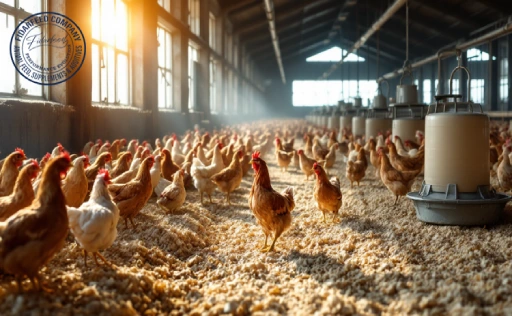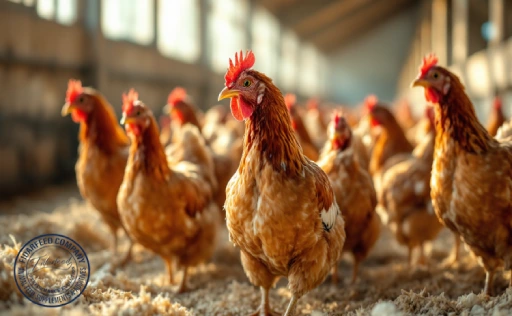
Smart Chicken Waste Management is no longer a luxury or an experiment—it’s a necessity. As chicken farming continues to expand globally, the sheer volume of poultry waste has become a growing concern for farmers, communities, and the environment. Whether you’re an experienced poultry breeder or just getting started, handling waste effectively can mean the difference between a healthy, profitable operation and a struggling, inefficient one. In this blog, we’ll explore sustainable solutions that are transforming chicken waste from a burden into an asset. So if you’re ready to run a cleaner, smarter poultry farm, read on.
Why Smart Chicken Waste Management Matters More Than Ever
Unmanaged chicken waste isn’t just unpleasant—it’s dangerous. The ammonia and pathogens released from decomposing litter and manure can harm both humans and animals. It contributes to air and water pollution, spreads disease, and creates unbearable odors that can impact neighboring communities.
Learn more about: Probiotic Supplement for Poultry
According to the Food and Agriculture Organization (FAO), poorly managed poultry waste is a leading cause of groundwater contamination in rural areas. Economically, it can lead to fines, regulatory shutdowns, and decreased product quality. Health-wise, it fosters environments ripe for outbreaks of avian influenza and other zoonotic diseases. Smart waste management addresses all these issues by promoting a clean, safe, and efficient farming environment.
Common Chicken Waste Challenges Faced by Poultry Farmers
Chicken breeders frequently face hurdles such as:
- Overaccumulation of manure
- Inadequate storage facilities
Learn more about: How Does Salmonella Get Into Chicken? Causes and Prevention Tips
- High ammonia levels
- Limited awareness of modern disposal options
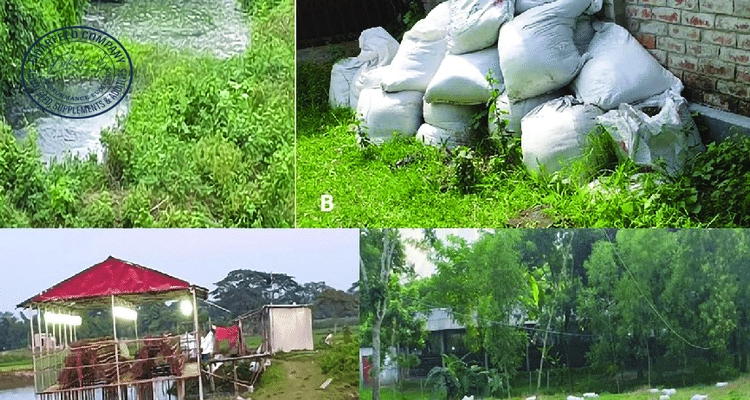
For example, many small-scale farmers still dispose of chicken litter in open fields or shallow pits, which invites flies, rodents, and parasites. Moreover, frequent rains can cause runoff that contaminates nearby water sources. These issues are not just inconvenient—they’re costly and damaging to your operation’s reputation.
What Is Smart Chicken Waste Management?
Smart Chicken Waste Management refers to the use of innovative, science-backed methods to process, treat, and repurpose poultry waste efficiently and sustainably. Unlike traditional methods that rely on dumping or basic composting, smart systems use automation, data tracking, and waste-to-resource technologies.
Learn more about: The Chicken Egg Production Cycle: A Comprehensive Overview
Imagine sensors that monitor ammonia levels in real time, or automated scrapers that collect waste without human contact. These tools reduce labor, lower risk, and boost productivity. In short, smart management turns a problem into a profit-generating opportunity.
Top Benefits of Using Smart Waste Management Systems in Poultry Farming
Going smart with waste management offers multiple advantages:
- Healthier flocks: Reduced ammonia levels lead to better respiratory health.
- Higher productivity: Clean environments promote better growth and feed conversion.
- Cost savings: Recycled waste can cut down on fertilizer costs.
Learn more about: Boost Your Egg Production with Classica Layer Chickens
- Regulatory compliance: Helps meet environmental and sanitation standards.
- Community goodwill: Minimizing odor and runoff builds trust with neighbors.
A study by the University of Georgia found that poultry farms using automated waste management systems saw a 20% reduction in mortality rates due to better air quality.
Sustainable Technologies for Managing Chicken Waste
Modern poultry farming now benefits from several sustainable technologies:
- Composting Units: Accelerate decomposition and kill pathogens, producing safe, nutrient-rich compost.
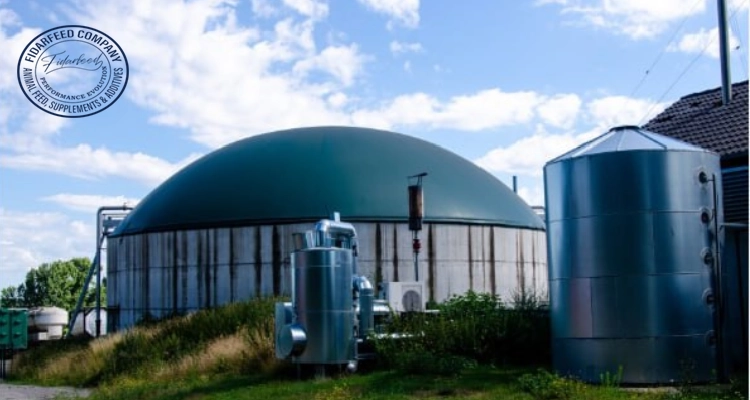
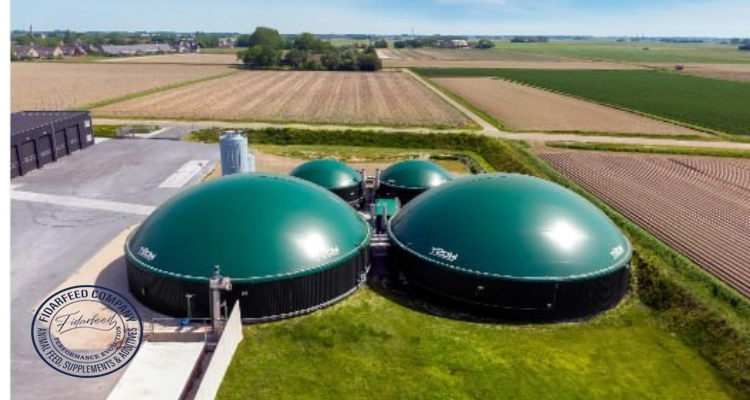
- Biogas Digesters: Convert manure into methane gas and bio-slurry. The gas powers farm equipment; the slurry fertilizes fields.
Learn more about: how to prevent marek’s disease in chickens
- Automated Manure Scrapers: Installed under cages or in deep litter systems to remove waste efficiently.
- Sensor-Driven Ventilation: Maintains optimal air quality by monitoring ammonia and humidity levels.
For instance, a farm in the Netherlands implemented a closed-loop biogas system that powers not only its operations but also feeds electricity back into the grid.
How to Turn Chicken Waste Into Profitable By-Products
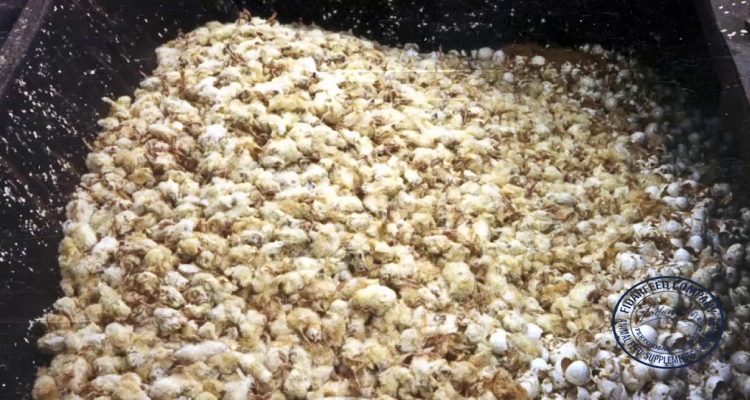
One farmer’s waste is another’s gold. With the right approach, chicken manure can be transformed into:
- Organic Fertilizers: In high demand for sustainable agriculture.
- Biogas: Fuel for heating or electricity.
Learn more about: Comprehensive Guide to Salmonella Management in Poultry Farms: Protecting Chickens and Humans
- Animal Feed Additives: After treatment, certain waste components can be reused safely.
- Pelletized Manure Products: Easier to store, transport, and sell.
Global demand for organic fertilizers is projected to grow by over 10% annually. This presents an incredible opportunity for poultry farmers who invest in smart waste conversion.
Step-by-Step Guide: Implementing Smart Waste Management on Your Farm
Starting smart doesn’t have to be overwhelming. Here’s how you can begin:
- Evaluate your current system: Identify your farm’s specific waste challenges.
- Research technologies: Choose what’s practical and scalable.
- Invest in training: Equip your team with the knowledge to operate new tools.
- Start small: Pilot a system in one section before full implementation.
- Monitor and adjust: Use sensors and data to refine processes.
Even basic steps, like improving litter aeration or installing better drainage, can significantly enhance waste handling.
Learn more about: Exploring Layer Breeder Chicken Breeds: Characteristics and Benefits of Each
Common Mistakes to Avoid in Chicken Waste Handling
To prevent setbacks, steer clear of these common errors:
- Ignoring storage protocols: Improper storage can undo all your efforts.
- Overloading compost systems: This slows decomposition and causes odor.
Learn more about: Growth Stages from Chicks to Laying Hens
- Skipping maintenance on equipment: Leads to breakdowns and safety risks.
- Neglecting staff training: A smart system is only as good as its operator.
Many farms fail to see results simply because they underestimate the human factor in using smart technologies.
How Smart Chicken Waste Management Supports Sustainable Farming
Sustainability isn’t just a buzzword—it’s a business strategy. Smart waste practices help conserve water, reduce chemical use, and improve soil health. They also contribute to a farm’s long-term profitability by turning liabilities into income-generating assets.
Learn more about: How to Control Ammonia Levels in Poultry Houses Using Zeolite
Environmental groups and consumers are increasingly supporting farms that demonstrate responsible waste management. This adds value to your brand and opens doors to new markets, including organic and eco-friendly retailers.
Final Thoughts: Building a Cleaner, Smarter Future in Poultry Farming
Smart Chicken Waste Management is more than a technical upgrade—it’s a commitment to better farming. Whether you’re aiming to boost profits, reduce environmental impact, or safeguard your flock’s health, the path starts with how you handle waste. By embracing smart systems, you’re investing in a cleaner, more efficient, and future-ready poultry operation.
If this article sparked ideas or questions, we’d love to hear from you! Share your thoughts in the comments, or reach out to us with your experiences and solutions. Together, we can raise the standard for chicken farming worldwide.