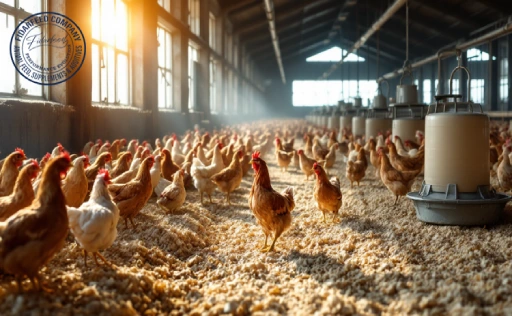
Respiratory Diseases in Calves are among the most common and costly health challenges faced by cattle breeders. Whether you’re running a small family farm or managing a large-scale operation, the wellbeing of your calves is a top priority. Respiratory infections not only threaten the survival of young animals but also impact long-term productivity. From reduced weight gain to higher treatment costs, these issues can quickly escalate if not addressed early. In this article, we’ll explore the key causes, early warning signs, treatment options, and—most importantly—effective prevention strategies to protect your herd. Let’s dive in.
What Are Respiratory Diseases in Calves and Why Should Farmers Be Concerned?
Respiratory diseases in calves are primarily caused by a combination of viruses, bacteria, and environmental stressors. The most common condition is Bovine Respiratory Disease (BRD), often referred to as “shipping fever.” It’s a complex syndrome usually triggered by stress and followed by viral and bacterial infections. Pathogens such as Pasteurella multocida, Mannheimia haemolytica, and Mycoplasma bovis are frequently involved.
Learn more about: Alternative Feed Ingredient
Farmers should be deeply concerned because these diseases can significantly reduce daily weight gain, increase medication costs, and result in calf deaths. According to studies, BRD can account for over 70% of illnesses in beef calves, especially within the first few months of life. Early detection and effective management are key to minimizing losses.
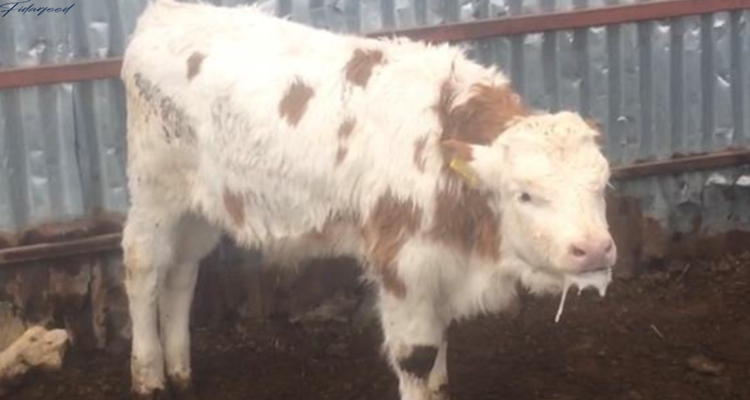
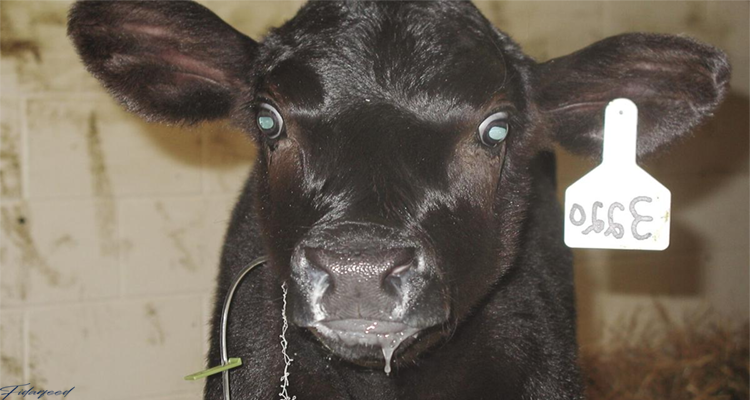
Early Signs of Respiratory Diseases in Calves You Should Never Ignore
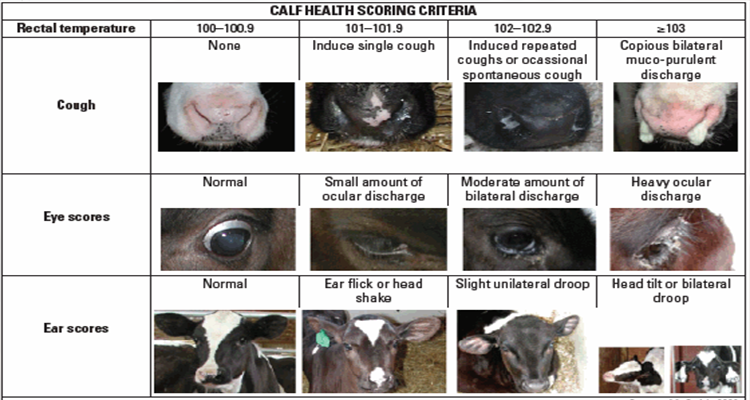
Identifying symptoms early can make the difference between quick recovery and serious complications. Look for these signs:
-
Coughing (dry or wet)
-
Nasal discharge, often thick or discolored
-
Increased respiratory rate or labored breathing
-
Fever (temperature over 39.5°C or 103°F)
-
Depressed behavior, such as drooping ears and reduced appetite
-
Sudden weight loss or failure to thrive
Learn more about: How to Treat Bovine Respiratory Disease: A Complete Guide for Cattle Farmers
Some calves may show only subtle signs at first, so regular monitoring is essential. Always observe your animals closely during stressful events like weaning or relocation.
How Environmental Factors Influence Respiratory Health in Calves
The calf’s environment plays a crucial role in disease prevention. Poor barn ventilation, overcrowding, damp bedding, and sudden changes in temperature can all compromise a calf’s respiratory system.
To reduce these risks:
-
Ensure good airflow without creating drafts
-
Keep bedding clean and dry
-
Provide sufficient space between animals
-
Avoid mixing animals of different ages or health statuses
Learn more about: How to Treat BRD in Calves: Effective Strategies to Combat Bovine Respiratory Disease
Well-designed housing reduces pathogen load and helps calves breathe clean, fresh air—vital for lung health and immune defense.
The Link Between Nutrition and Respiratory Diseases in Calves
Nutrition isn’t just about growth—it’s about immunity. Calves with poor diets are more vulnerable to infections. Colostrum management in the first 24 hours is especially critical. High-quality colostrum provides antibodies that protect against respiratory pathogens.
Later on, balanced rations rich in energy, protein, vitamins (especially A and E), and trace minerals (like zinc and selenium) strengthen immune responses. Fermented feeds or silage should be stored and served carefully to avoid mold exposure, which can worsen respiratory conditions.
Proven Prevention Strategies for Respiratory Diseases in Calves
An ounce of prevention is worth a pound of cure—especially in calf health. Here are some science-backed strategies:
-
Ensure timely and adequate colostrum intake
-
Use proper ventilation and hygiene protocols in housing
-
Group calves by age and health status
-
Minimize stress during weaning and transportation
-
Implement a structured vaccination program (more on this below)
Learn more about: Economic Evaluation of Alternative Protein Sources in Livestock Farming
Regular farm routines that focus on comfort, hygiene, and low-stress handling can reduce respiratory disease incidence by up to 40%, according to veterinary research.
Best Practices for Treating Respiratory Diseases in Calves
If a calf does get sick, prompt and appropriate treatment is essential. Veterinarians usually recommend:
-
Antibiotics to fight bacterial infections
-
Anti-inflammatories to reduce fever and lung inflammation
-
Supportive care (covered in the next section)
Learn more about: Livestock Feed Suppliers: Your Source for Premium Animal Nutrition
Follow dosage guidelines strictly and complete the full course of treatment, even if the calf appears to improve early. Always consult a vet to tailor the treatment to the pathogen and the calf’s age or condition.
Supportive Care That Helps Sick Calves Recover Faster
Medications are important, but so is the overall care environment. Supportive actions can boost a calf’s ability to recover:
-
Provide clean, easily accessible water at all times
-
Offer palatable, energy-rich feed to support metabolism
-
Keep the calf warm and sheltered, especially in cold or damp weather
-
Isolate sick calves to reduce stress and transmission, while still allowing visual contact with the herd when possible
Adding natural immune boosters or electrolytes under veterinary guidance can also help during recovery.
Vaccination: Your First Line of Defense Against Calf Respiratory Infections
Vaccines are highly effective in preventing the most dangerous respiratory pathogens. Depending on your herd’s risk profile, your vet may recommend vaccines against:
-
BRSV (Bovine Respiratory Syncytial Virus)
-
IBR (Infectious Bovine Rhinotracheitis)
-
PI3 (Parainfluenza-3)
-
BVD (Bovine Viral Diarrhea)
-
Mannheimia haemolytica
It’s best to begin a vaccination program between 2 and 4 weeks of age, with boosters as needed. Remember, no vaccine is 100% effective, but when combined with good management, they provide excellent protection.
How to Reduce Stress in Calves to Prevent Respiratory Problems
Stress suppresses the immune system and opens the door for infection. Stressful events like weaning, transport, or sudden dietary changes can trigger respiratory outbreaks.
To reduce stress:
-
Wean calves gradually
-
Avoid overcrowding
-
Handle animals calmly and consistently
-
Maintain stable groupings and minimize mixing
-
Use nutritional supplements designed to support stress adaptation if recommended
Learn more about: What Is TMR Silage and Why Is It a Smart Choice for Livestock Feed?
A calm, consistent routine makes calves feel secure and more resilient to infections.
When to Call the Vet: Timing Is Critical in Respiratory Disease Cases
Waiting too long can mean the difference between a mild illness and a major outbreak. You should call a vet when:
-
A calf has a high fever (over 40°C/104°F) lasting more than a day
-
Multiple calves show symptoms
-
Breathing becomes labored or noisy
-
You’re unsure about the cause or best treatment
Veterinarians can diagnose with tools like ultrasound or lung auscultation and may perform lab tests for more targeted treatment. Don’t guess—seek expert help early.
Conclusion
Respiratory diseases in calves are serious, but they’re not unbeatable. With early detection, quality care, and proactive prevention, you can protect your young animals and your long-term investment. Whether you’re a seasoned cattle breeder or just starting out, building strong routines around hygiene, nutrition, and veterinary support is essential. Have questions or your own experience to share? Leave a comment below—we’d love to hear from you and keep the conversation going.