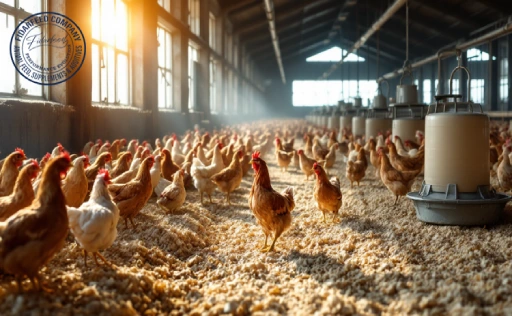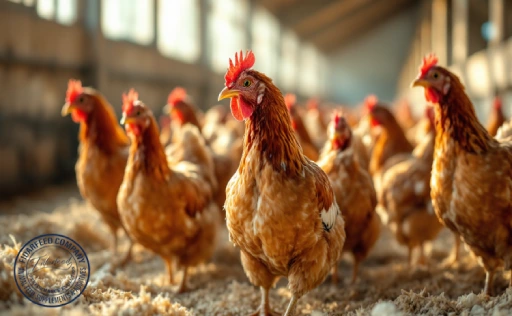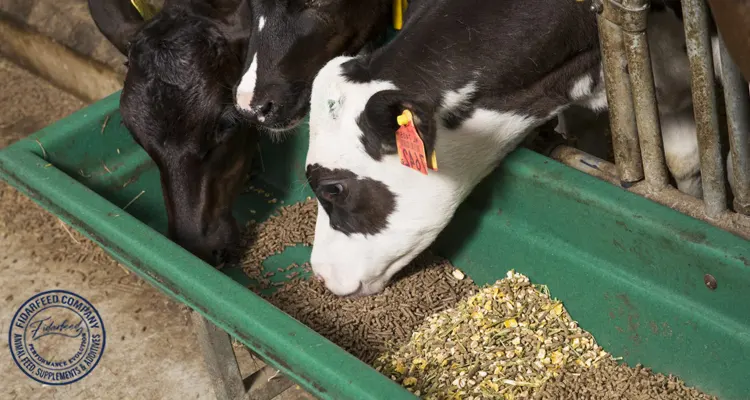
Livestock Feed Suppliers play a crucial role in ensuring the health, growth, and productivity of farm animals. Whether you’re an experienced livestock breeder or just starting out, choosing the right feed supplier can significantly impact your operation. The quality of animal nutrition directly influences everything from weight gain to disease resistance, making it a top priority for any farmer. In this article, we’ll explore why selecting the right supplier is essential, what defines premium animal nutrition, and the latest trends shaping the industry.
Why Choosing the Right Livestock Feed Supplier Matters
Not all feed suppliers are created equal, and selecting the wrong one can lead to inconsistent nutrition, poor animal performance, and even financial losses. A reliable supplier provides not only high-quality feed but also consistency, expertise, and support.
Learn more about: Probiotic Supplement for Livestock
For example, dairy farmers rely on specific protein and energy balances in cattle feed to ensure optimal milk production. If the nutritional composition of the feed fluctuates, it can negatively impact milk yield and quality. A trusted supplier ensures that each batch of feed meets the required nutritional standards, giving farmers peace of mind.
What Defines Premium Animal Nutrition?
Premium animal nutrition goes beyond just filling troughs. It’s about providing livestock with a well-balanced diet tailored to their specific nutritional needs. High-quality feed should include:
Essentials: Protein, carbohydrates, fats, vitamins, and minerals are crucial for growth, reproduction, and overall health.
Digestibility: Feed ingredients must be easily digestible to maximize nutrient absorption and prevent wastage.
Learn more about: Global Market Analysis of Alternative Protein Sources in the Livestock Industry
Proper Formulation: Different animals have varying nutritional needs. For example, a beef cattle diet differs significantly from that of poultry or swine.
Absence of Contaminants: Premium feed is free from mycotoxins, harmful bacteria, and other contaminants that can compromise animal health.
Scientific research consistently supports the role of balanced nutrition in improving feed conversion ratios (FCR), which directly affects profitability. Farmers investing in high-quality feed often see higher returns through improved animal performance and reduced veterinary costs.
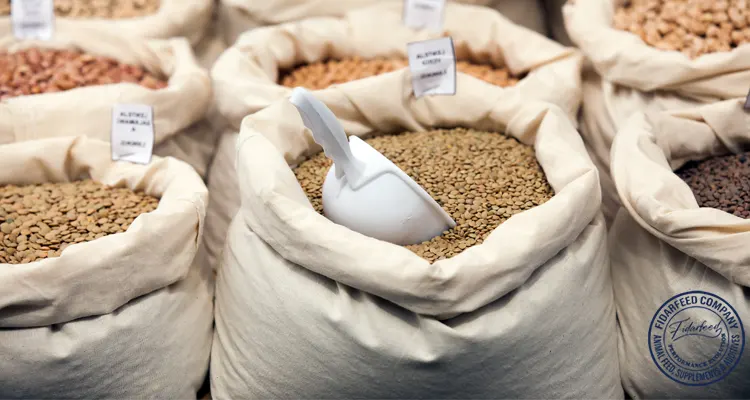
Key Factors to Consider When Selecting Livestock Feed Suppliers
When evaluating feed suppliers, consider the following:
Quality Control Measures: Do they have strict quality testing protocols? Do they source raw materials responsibly?
Ingredient Transparency: Are the ingredients and their sources clearly listed?
Nutritional Expertise: Do they offer guidance on feed formulations and nutrition management?
Learn more about: Economic Evaluation of Alternative Protein Sources in Livestock Farming
Supply Chain Reliability: Can they provide consistent and timely deliveries?
Customer Support: Do they offer after-sales support and assistance with feeding programs?
Partnering with a supplier that excels in these areas ensures that your livestock receives the best possible nutrition, translating to healthier animals and better profits.
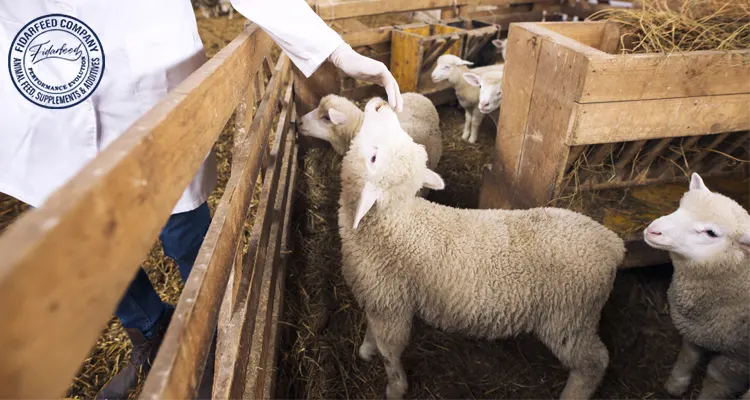
Types of Premium Livestock Feed for Different Needs
Different types of feed are designed to cater to the unique needs of various livestock species:
Cattle Feed: High in fiber and protein to support muscle development and milk production.
Poultry Feed: Balanced in amino acids and energy for optimal egg production and growth.
Swine Feed: Rich in proteins, fats, and essential nutrients for lean muscle growth.
Learn more about: Essential Guide to Efficient Livestock Waste Management
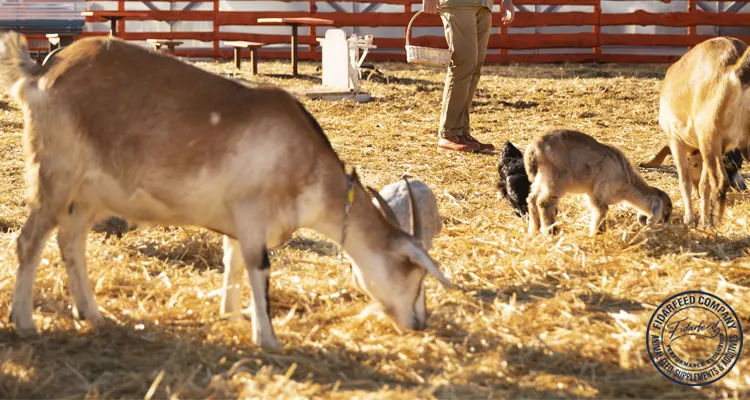
Sheep and Goat Feed: Contains higher fiber content to aid digestion and maintain overall health.
Specialty Feeds: Includes organic, medicated, and performance-enhancing feeds tailored for specific production goals.
Choosing the right feed type ensures that animals receive optimal nutrition for their specific stage of growth and production.
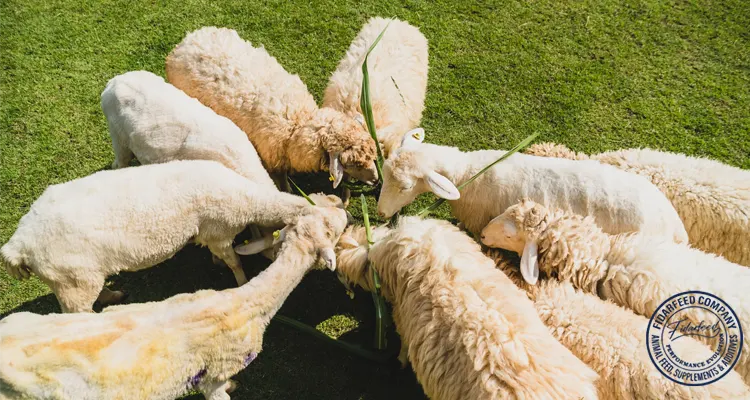
The Role of Sustainable and Organic Feed in Modern Farming
Sustainability is becoming a major focus in the livestock feed industry. More farmers are turning to organic and eco-friendly feed options to reduce environmental impact while maintaining livestock health. Sustainable feed includes:
Locally Sourced Ingredients: Reducing carbon footprint and supporting local economies.
Learn more about: Zeolite: Unlock Better Digestion and Superior Livestock Health
By-Product Utilization: Using agricultural by-products such as soybean meal and distillers’ grains reduces waste.
Organic Certification: Free from synthetic additives and pesticides, ensuring a natural diet for livestock.
Farmers who adopt sustainable feeding practices often see long-term benefits, including improved animal welfare, consumer trust, and compliance with evolving regulations.
How to Build a Strong Partnership with Your Feed Supplier
A good relationship with your feed supplier can make a significant difference in the success of your farm. Here’s how to foster a strong partnership:
Communicate Needs Clearly: Discuss specific nutritional requirements and expectations upfront.
Request Regular Quality Reports: Ensure that feed consistency and safety standards are maintained.
Learn more about: Boosting Nutrient Absorption in Livestock with ProbioticsProvide Feedback: Let suppliers know if adjustments are needed based on animal performance.
Consider Long-Term Contracts: Secure stable pricing and reliable supply by establishing long-term agreements.
By working closely with a trusted supplier, farmers can optimize their feeding programs and enhance productivity.
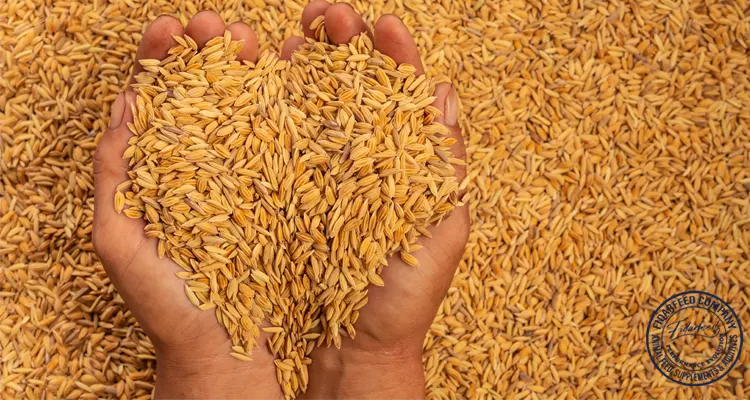
Future Trends in Livestock Nutrition: What Breeders Need to Know
The livestock feed industry is evolving rapidly. Some key trends to watch include:
Precision Feeding: Advanced technology is enabling farmers to customize feed formulations based on real-time animal data.
Alternative Protein Sources: Insects, algae, and lab-grown proteins are emerging as sustainable alternatives.
Learn more about: Type of Silage: A Comprehensive Guide for Livestock Farmers
Probiotics and Functional Feeds: Enhancing gut health through natural additives is gaining traction.
AI and Data Analytics: Machine learning is being used to predict optimal feeding strategies.
Staying informed about these trends helps farmers stay competitive and maximize efficiency.
Conclusion
Selecting the right livestock feed suppliers is a crucial decision that impacts the health, performance, and profitability of your animals. By choosing high-quality feed, embracing sustainability, and fostering strong supplier relationships, you can ensure long-term success in livestock farming.
What are your thoughts on premium animal nutrition? Share your experiences in the comments below, or reach out with any questions!