Do Happy Cows Make Better Milk is not just a catchy phrase; it’s a question that digs deep into modern dairy practices, animal ethics, and milk productivity. Whether you’re a seasoned breeder or just starting out in dairy farming, understanding the direct connection between cow welfare and milk yield is essential. In this article, we’ll explore how cow happiness translates to tangible results, what science has to say, and what steps you can take to ensure both healthy animals and a thriving farm.
Why Cow Happiness Matters More Than Ever
In today’s world, animal welfare is no longer an afterthought. Consumers demand transparency, and more breeders are realizing that treating cows well is not only ethical but also profitable.
Learn more about: Probiotic Supplement for Livestock
Stressed or uncomfortable cows tend to produce less milk, suffer from more health issues, and often require more medical attention. On the flip side, cows that are calm, comfortable, and content show improved reproductive performance, better immunity, and, yes, higher milk output.
The Science Behind Dairy Welfare and Milk Quality
Multiple studies have confirmed the link between welfare and milk production. According to research published in the Journal of Dairy Science, cows exposed to stressors such as overcrowding, poor handling, or inconsistent feeding schedules show reduced milk yield.
Learn more about: Is Corn Silage Good for Cows? The Pros and Cons Explained
Stress hormones like cortisol interfere with the hormonal balance necessary for milk letdown. Conversely, cows kept in enriched environments with adequate space and care produce not just more milk, but also milk with better composition—higher butterfat and protein levels.
Do Happy Cows Make Better Milk? Understanding the Link
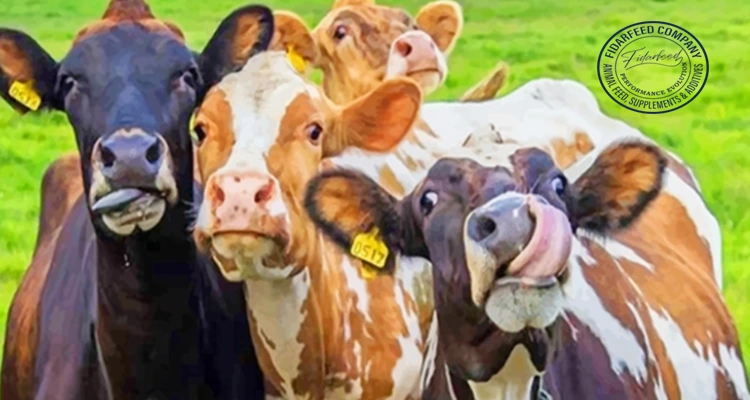
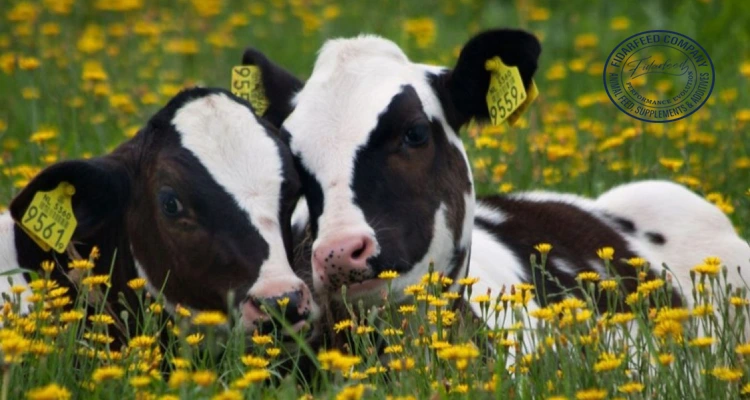
Yes, happy cows do make better milk. Their emotional state influences their physiology. A cow that feels safe and relaxed has lower cortisol levels and higher oxytocin levels—the hormone responsible for milk release.
Learn more about: Jersey Cows & Milk Quality: A Guide for Dairy Farmers
Happy cows also chew cud more frequently, which is an indicator of comfort and good digestion. That means better nutrient absorption and ultimately, better milk.
Key Welfare Factors That Impact Milk Yield
Several components directly influence a cow’s welfare and thus, its productivity:
- Space and movement: Crowding increases stress and reduces lying time, which is essential for rumination and milk production.
- Bedding quality: Soft, dry bedding reduces the risk of mastitis and joint issues.
Learn more about: Improving Milk Production with Probiotics: Focus on Rumen Health
- Ventilation and temperature control: Cows are sensitive to heat stress. Proper airflow and shading can significantly improve comfort.
- Gentle handling: Rough treatment leads to fear and anxiety, both of which suppress milk production.
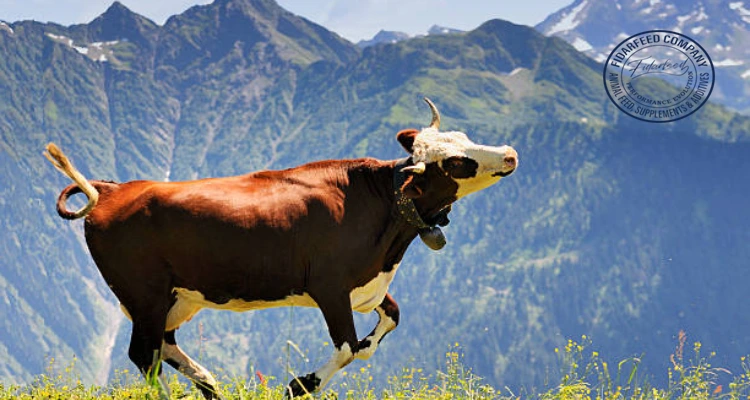
Nutrition and Comfort: The Foundation of a Happy Dairy Cow
Feeding isn’t just about quantity; it’s about balance and timing. Cows need a consistent supply of high-quality roughage, concentrate, and clean water. Feed should be available throughout the day, and feeding schedules should be regular to avoid digestive issues. Additionally, having enough time to rest and ruminate ensures that cows can fully benefit from the feed provided.
Common Mistakes That Undermine Cow Welfare on Farms
Even well-meaning breeders can make errors that affect cow happiness. Some common pitfalls include:
- Overcrowding in barns or milking parlors
- Ignoring hoof care, leading to lameness
- Infrequent bedding changes
Learn more about: Happy Cows, Healthy Milk: The Power of Balanced Nutrition
- Noisy environments that keep cows on edge
- Inconsistent feeding or milking times
Awareness and training can go a long way in avoiding these mistakes.
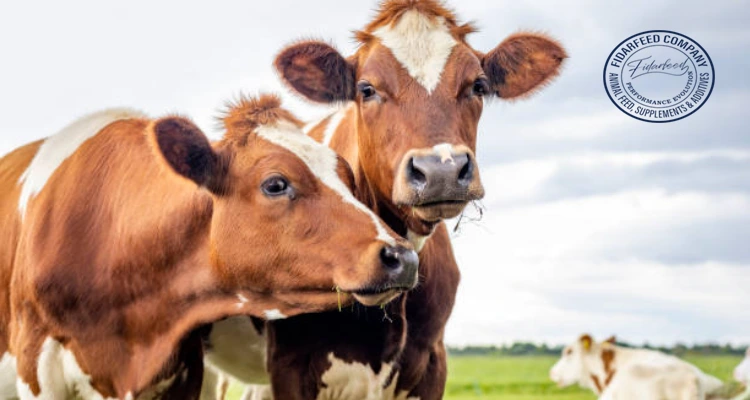
Practical Tips for Improving Cow Happiness on Your Farm
Improving welfare doesn’t always mean huge investments. Here are simple but effective changes you can make:
- Provide shaded areas and fans in hot months
- Use rubber mats or soft bedding to prevent joint stress
- Train staff on low-stress handling techniques
Learn more about: Why Holstein Cows Are an Excellent Choice for Milk Production
- Establish regular routines for milking, feeding, and resting
- Observe cows daily for signs of discomfort or illness
Expert Views: Do Happy Cows Truly Produce Better Milk?
Veterinarians and dairy scientists agree that welfare-focused farming leads to better outcomes. Dr. R. M. Tucker, a renowned dairy welfare researcher, notes that “cows with access to clean, calm environments show a 10-15% increase in average milk yield.” Similarly, practical experience on farms that adopt welfare-first policies confirms reductions in veterinary costs and culling rates.
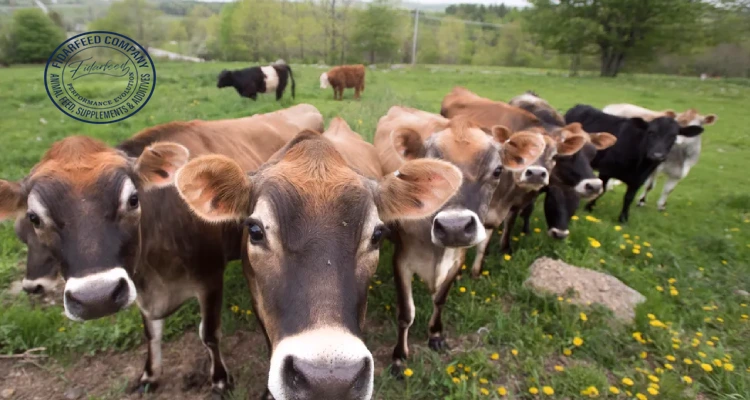
From Welfare to Wealth: Economic Value of Happy Cows
Investing in cow happiness is not just good for the animals; it’s good business. Healthier cows live longer, produce more milk, and require fewer interventions. Lower veterinary bills, higher milk yield per cow, and increased consumer trust all contribute to a better bottom line. Even on small farms, welfare-focused changes can lead to measurable profit gains within just one lactation cycle.
Final Thoughts: Choosing Welfare to Improve Milk Naturally
So, do happy cows make better milk? Absolutely. It’s a simple truth backed by both science and on-the-ground experience. When you prioritize cow welfare, you create a win-win situation: healthier, more productive animals and a more sustainable, profitable farm.
We encourage you to start observing your cows more closely, test small welfare improvements, and track their impact. Feel free to share your thoughts, experiences, and questions in the comments. Let’s continue building a future where happy cows truly do lead to better milk.