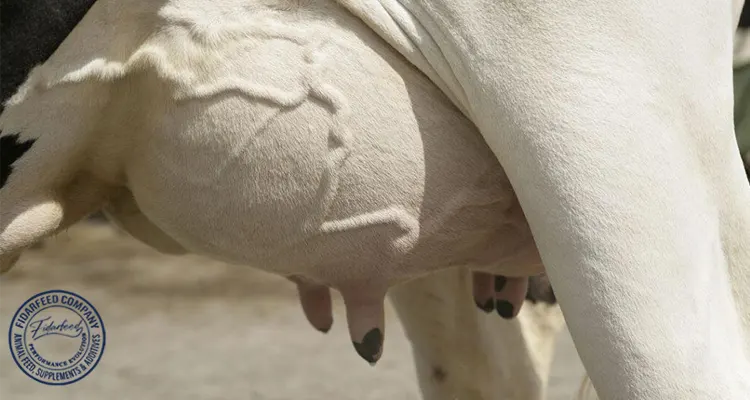
Dairy farmers are constantly looking for ways to enhance milk yield and quality while ensuring the overall health of their cattle. Improving milk production with probiotics has emerged as a scientifically backed, practical solution that supports both productivity and animal well-being. At the heart of this approach lies rumen health, a critical factor in dairy efficiency. But how exactly do probiotics contribute to better milk output? And how can you effectively incorporate them into your feeding strategy? Let’s explore.
How Probiotics Boost Milk Production in Dairy Cattle
Probiotics are live microorganisms that, when administered in adequate amounts, offer health benefits to the host—in this case, dairy cows. These beneficial bacteria help stabilize the gut microbiome, improving digestion and nutrient absorption.
Learn more about: Probiotic Supplement for Livestock
Research has shown that cows supplemented with probiotics experience enhanced feed efficiency, meaning they extract more nutrients from the same amount of feed. This leads to increased milk production without necessarily increasing feed costs. Additionally, probiotics help minimize digestive issues such as bloating and acidosis, ensuring the cow’s digestive system operates optimally, further supporting milk yield.
The Crucial Role of Rumen Health in Dairy Efficiency
The rumen is the engine of a cow’s digestive system. It houses billions of microbes that break down fibrous plant materials, enabling cows to derive energy and nutrients from their feed. When the rumen is out of balance, digestion becomes inefficient, leading to decreased milk production, weight loss, and potential health problems.
Learn more about: How to Find the Best Bulk Feed Suppliers for Your Needs
Poor rumen health can result from stress, diet changes, or imbalanced feeding practices. Issues such as rumen acidosis, caused by excessive fermentation of rapidly digestible carbohydrates, can significantly reduce milk output. This is why maintaining optimal rumen health is non-negotiable for dairy farmers aiming to maximize efficiency.
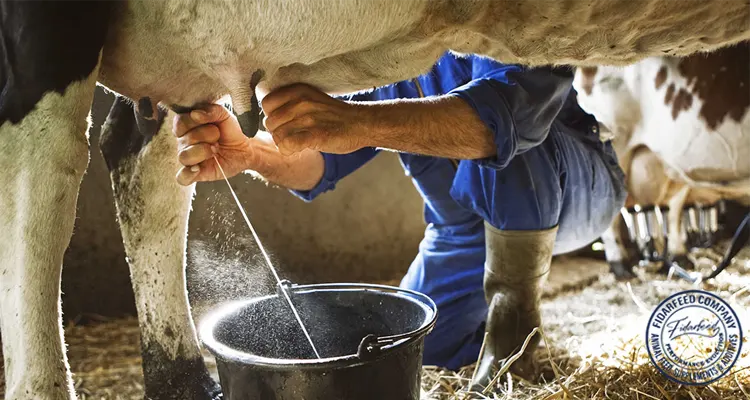
How Probiotics Support Rumen Health and Function
Probiotics help sustain a healthy microbial balance in the rumen, ensuring the efficient breakdown of fiber and carbohydrates. Specific probiotic strains, such as Lactobacillus, Saccharomyces cerevisiae (yeast), and Bacillus subtilis, have been widely studied for their ability to:
- Stabilize rumen pH, reducing the risk of acidosis.
Learn more about: Smart Shopping: The Probiotic Online Buyer’s Guide for Animal Feed Supplements
- Enhance fiber digestion, improving energy extraction from feed.
- Suppress harmful bacteria, minimizing digestive disturbances.
By supporting the natural microbial ecosystem, probiotics allow cows to convert feed into milk more efficiently, resulting in higher milk yields and improved overall performance.
Choosing the Right Probiotics for Your Dairy Herd
Not all probiotics are created equal, and selecting the right one is key to reaping the benefits. Here are some critical factors to consider:
- Strain specificity: Different strains have different functions. For example, Saccharomyces cerevisiae is excellent for stabilizing rumen pH, while Lactobacillus supports gut health.
Learn more about: Save Big on Animal Probiotics: Wholesale Discounts Available
- Viability and stability: Ensure the probiotic product contains live, stable microorganisms that remain effective throughout storage and feeding.
- Proven efficacy: Look for products backed by scientific studies and real-world farm results.
Working with a veterinarian or animal nutritionist can help tailor probiotic supplementation to your herd’s specific needs.
Practical Tips for Introducing Probiotics to Your Cattle
To achieve the best results, probiotics should be introduced gradually and consistently. Here are some best practices:
- Start with a quality feed additive: Many probiotic supplements come in premixed feed formulations or as top-dress powders.
- Introduce gradually: Sudden dietary changes can disrupt digestion. Begin with small amounts and increase over time.
Learn more about: Top Tips for Choosing the Best Animal Probiotic Supplier
- Monitor cow health and productivity: Observe changes in milk yield, digestion, and overall cow well-being.
- Ensure proper storage: Probiotics are live organisms, store them in a cool, dry place to maintain potency.
Proven Benefits: Increased Milk Yield and Improved Cattle Health
Studies and on-farm experiences have demonstrated the clear benefits of probiotic supplementation in dairy cattle. Cows fed probiotics often exhibit:
- Higher milk yield, sometimes increasing by 5-10%.
- Better milk quality, with improved fat and protein content.
- Stronger immune systems, reducing the incidence of diseases.
- Improved fertility, as better digestion leads to more efficient nutrient use.
A real-world example is a dairy farm in Wisconsin that reported a 7% increase in milk production after implementing a probiotic regimen, along with fewer cases of digestive disorders.
Common Myths and Misconceptions About Probiotics
Despite their proven benefits, some misconceptions persist about probiotics in dairy farming:
- “Probiotics are only necessary when cows are sick.”
- False. Probiotics are most effective when used preventively to support long-term rumen health.
- “They replace the need for a balanced diet.”
- False. Probiotics enhance digestion but do not substitute for proper nutrition and feeding practices.
- “All probiotic products work the same way.”
- False. Different strains offer different benefits, and some products are of higher quality than others.
Final Thoughts: Maximizing Dairy Productivity with Probiotics
Incorporating probiotics into your feeding strategy is a smart, science-backed approach to improving milk production while supporting overall cow health. By focusing on rumen health, probiotics help maximize feed efficiency, stabilize digestion, and boost milk yield—all of which translate to higher farm profitability.
For dairy farmers looking to enhance productivity sustainably, probiotics offer a natural and effective solution. Have you used probiotics in your herd? We’d love to hear about your experiences! Feel free to share your thoughts or ask any questions in the comments below.