Ready-Made Feed for Livestock, Poultry & Aquaculture at the Best Value is essential for animal breeders and farmers striving for optimal growth, productivity, and cost-efficiency. Whether you are raising cattle, chickens, or fish, nutrition plays a crucial role in ensuring healthy development and maximizing yield. But with so many feed options available, how do you choose the best one? In this guide, we’ll explore the benefits of ready-made feed, what to look for when selecting the right type, and how to get the best value for your money.
Why Choosing the Right Feed Matters for Your Livestock, Poultry & Aquatic Animals
Providing the right nutrition isn’t just about keeping your animals fed; it directly impacts their health, growth rate, reproduction, and overall productivity. Poor-quality feed can lead to nutritional deficiencies, low immunity, slow weight gain, and even disease outbreaks.
Learn more about: Alternative Feed Ingredient
On the other hand, high-quality ready-made feed is formulated to meet specific dietary needs, ensuring balanced nutrition for every stage of growth. By choosing the right feed, you set the foundation for higher yields, better profits, and healthier animals.
What Is Ready-Made Feed? Understanding Its Benefits
Ready-made feed, also known as commercial or formulated feed, is a scientifically developed mixture of essential nutrients, including proteins, carbohydrates, fats, vitamins, and minerals.
Learn more about: TMR Silage as Complete Feed: Benefits for Dairy Cows
Unlike traditional feed methods—such as home-mixed grains or pasture grazing—ready-made feed offers a consistent and balanced diet.

Key Benefits of Ready-Made Feed:
- Precision Nutrition: Tailored to meet the exact dietary requirements of different species.
- Time-Saving: Eliminates the need to source and mix individual ingredients.
- Enhanced Growth and Productivity: Boosts weight gain, milk production, egg yield, or fish growth.
Learn more about: Economic Evaluation of Alternative Protein Sources in Livestock Farming
- Reduced Waste: Properly balanced feed reduces overfeeding and nutrient loss.
- Longer Shelf Life: Stored correctly, it remains fresh and nutrient-rich for extended periods.
Key Factors to Consider When Selecting Ready-Made Feed
Choosing the best feed goes beyond picking a well-known brand. Here are the essential factors to evaluate:
- Nutritional Composition: Ensure the feed contains the right balance of protein, energy, vitamins, and minerals suitable for the species and growth stage.
- Ingredient Quality: Look for feeds made with natural, digestible ingredients instead of fillers or byproducts.
Learn more about: Wholesale Animal Feed: Everything You Need to Know
- Animal-Specific Formulation: Different animals have different dietary needs—what works for poultry may not be ideal for cattle or fish.
- Certifications & Safety Standards: Opt for feed that meets industry standards and regulations to ensure safety and effectiveness.

Cost vs. Value: How to Get the Best Deal on Animal Feed
While it may be tempting to buy the cheapest option, low-cost feed often lacks essential nutrients, leading to poor growth and increased healthcare expenses. Instead, focus on value by considering these strategies:
Learn more about: How Enzymes Enhance Protein Absorption from Alternative Animal Feeds
- Buy in Bulk: Many suppliers offer discounts for large purchases.
- Compare Brands: Analyze the cost per unit of nutrition rather than just the price per bag.
- Check for Seasonal Deals: Some feed manufacturers provide promotional offers during specific periods.
- Consider Local Suppliers: Transport costs can add up; sourcing feed locally can reduce expenses.
Ready-Made Feed Options for Livestock: Cattle, Sheep & Goats
Ruminants like cattle, sheep, and goats require fiber-rich feed that supports digestion and milk or meat production. Common types of ready-made feed for these animals include:
- Total Mixed Ration (TMR): A balanced blend of forage, grains, and supplements.
- Pelleted or Crumbled Feed: Easier to digest and ensures uniform nutrient intake.
- Protein Supplements: Essential for lactating cows or growing calves.

Best Feed Choices for Poultry: Chickens, Ducks & Turkeys
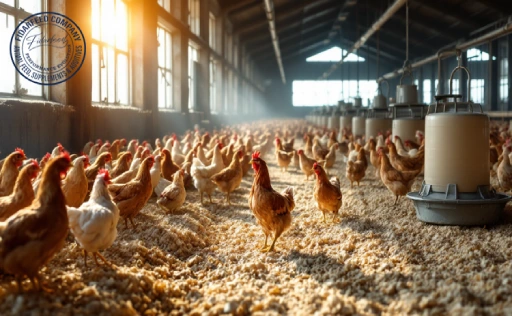
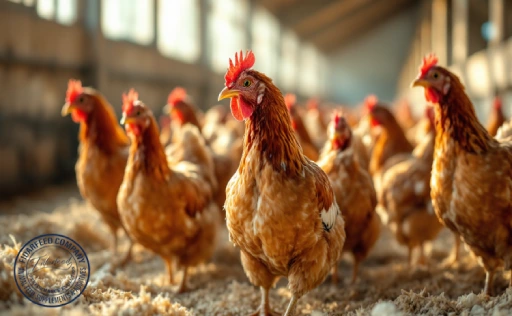
Poultry requires different feed formulations depending on their stage of growth:
- Starter Feed: High in protein to promote rapid development in chicks and ducklings.
- Grower Feed: Balanced nutrition to support steady weight gain.
- Layer Feed: Enriched with calcium to strengthen eggshell quality for laying hens.
Learn more about:
Nutrient-Rich Feed Solutions for Aquaculture: Fish & Shrimp Farming
Fish and shrimp farming demand specialized feeds designed for aquatic species:
- Floating Pellets: Ideal for surface-feeding fish like tilapia.
- Sinking Pellets: Suitable for bottom-feeding species such as shrimp and catfish.
- High-Protein Feeds: Essential for fast growth and disease resistance.
Learn more about: Your Essential Checklist When Selecting Bulk Animal Feed Suppliers

Common Mistakes to Avoid When Using Ready-Made Feed
To get the most out of your feed, avoid these common errors:
- Overfeeding or Underfeeding: Leads to inefficiency and waste.
- Incorrect Storage: Exposure to moisture or heat can degrade feed quality.
- Ignoring Feeding Guidelines: Always follow manufacturer recommendations for optimal results.
Where to Buy Ready-Made Feed for Livestock, Poultry & Aquaculture at the Best Value
Finding a reliable supplier is crucial. Consider these options:
- Agricultural Cooperatives: Often offer bulk discounts and trusted brands.
- Local Feed Stores: Convenient and often have knowledgeable staff for guidance.
- Online Suppliers: Provide a wider selection and competitive pricing.
- Direct from Manufacturers: Some companies sell directly to farmers, eliminating middlemen costs.
Learn more about: Daily Feed Prices for Livestock, Poultry & Aquaculture: Quality vs. Cost

Final Thoughts: Investing in Quality Feed for Better Results
Your animals’ health and productivity depend on the quality of their nutrition. While ready-made feed may seem like an upfront investment, the long-term benefits—better growth, higher yields, and reduced veterinary costs—far outweigh the costs. By choosing high-quality feed, sourcing from reputable suppliers, and avoiding common feeding mistakes, you ensure that your livestock, poultry, or aquaculture business thrives.
What are your experiences with ready-made feed? Share your thoughts in the comments below!