When it comes to feeding livestock, Silage vs. TMR is a common debate among farmers and nutritionists. Choosing the right feeding method can significantly impact your herd’s health, productivity, and overall profitability. But which option is best suited for your farm? Understanding the differences, benefits, and practical considerations of silage and Total Mixed Ration (TMR) can help you make an informed decision. Let’s dive in.
Understanding the Basics: What Are Silage and TMR?
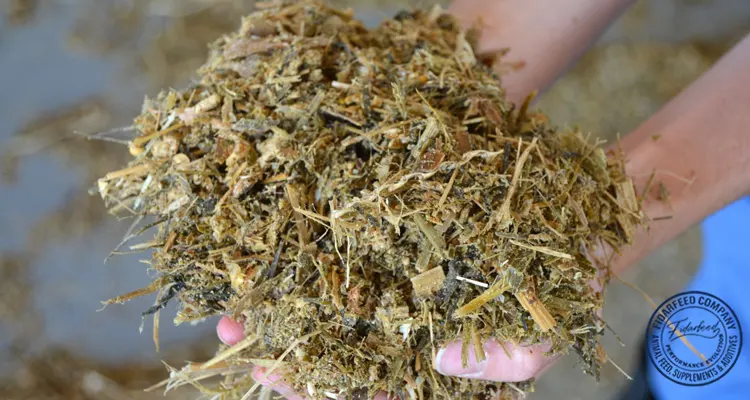
Silage is fermented, high-moisture forage stored in silos, bunkers, or wrapped bales. It preserves nutrients and provides a steady feed supply, especially in regions with seasonal forage shortages. Silage is commonly made from corn, grass, or legumes and is valued for its ability to enhance digestion and milk production.
Learn more about: Silage Starter
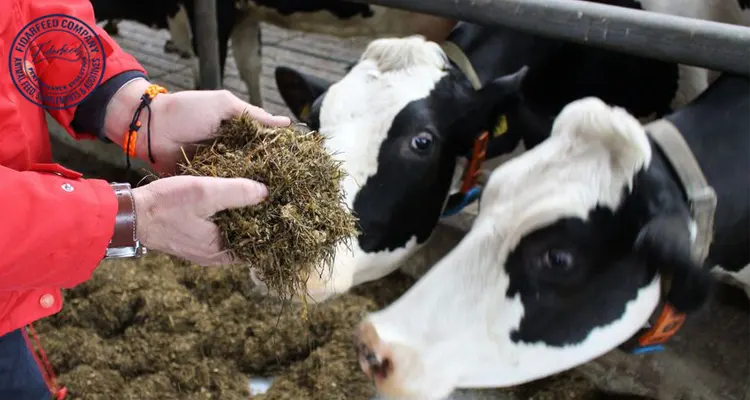
On the other hand, TMR (Total Mixed Ration) is a carefully blended feed composed of silage, hay, grains, protein sources, and supplements. It ensures every bite contains the right balance of nutrients, optimizing herd performance and reducing selective feeding.
The Advantages of Silage: A Reliable Feed Option
Silage has been a staple in livestock feeding for generations, offering numerous benefits:
- Cost-Effective: Silage utilizes homegrown forage, reducing dependency on purchased feed.
- Nutrient Preservation: The fermentation process locks in nutrients, maintaining a high energy and fiber content.
Learn more about: What Is TMR Silage and Why Is It a Smart Choice for Livestock Feed?
- Efficient Storage: Properly stored silage can last for months without significant nutrient loss.
- Improved Digestibility: Fermented feed is easier to digest, promoting better rumen function and feed conversion.
Silage is particularly beneficial for dairy and beef operations looking for a steady and energy-rich diet, especially in areas where pasture availability fluctuates.
The Benefits of TMR: Balanced Nutrition in Every Bite
TMR is designed to provide consistency and balance, ensuring that every mouthful contains the necessary nutrients for optimal herd performance. Some key advantages include:
- Eliminates Selective Feeding: Livestock consume a well-mixed ration, preventing them from picking out preferred ingredients.
- Higher Milk Yield and Growth Rates: Studies show that TMR-fed cows produce more milk due to improved nutrient absorption.
Learn more about: Is Corn Silage Good for Cows? The Pros and Cons Explained
- Labor Efficiency: Although mixing requires equipment, feeding is streamlined, reducing time spent on individual rations.
- Customizable Diets: Farmers can fine-tune the mix based on the herd’s specific needs, adjusting protein, energy, and fiber levels as necessary.
For high-performance dairy and beef herds, TMR provides a predictable and scientifically balanced diet, reducing nutritional gaps and performance fluctuations.
Key Differences Between Silage and TMR
Understanding the fundamental differences between silage and TMR can help farmers make an informed decision:
| Factor | Silage | TMR |
|---|---|---|
| Composition | Single forage source, primarily fermented grass or corn | Balanced mix of silage, grains, proteins, and supplements |
| Nutritional Balance | Can vary depending on the forage quality | Precisely formulated for consistent nutrient intake |
| Storage & Handling | Requires careful storage to prevent spoilage | Needs specialized mixing equipment |
| Cost & Investment | Lower initial cost, especially if forage is homegrown | Higher upfront costs due to machinery and feed formulation |
| Feeding Flexibility | Can be fed alone or supplemented | Requires strict adherence to formulation |
Learn more about: TMR Silage Animal Feed
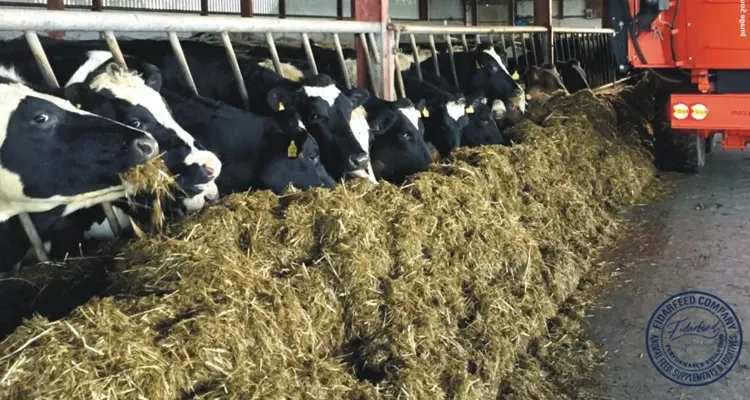
Which Feeding Method Is Best for Your Herd?
The best choice depends on several factors, including farm size, herd goals, and available resources.
- For Small-Scale and Budget-Conscious Farmers: Silage is a cost-effective option, especially if homegrown forage is readily available.
- For Large Dairy and Beef Operations: TMR provides precision nutrition, leading to better milk production, weight gain, and overall herd health.
Learn more about: Common Challenges in TMR Silage and How to Solve Them
- For Farms with Variable Forage Quality: TMR helps maintain consistency by blending different feed sources to balance nutritional intake.
Farmers should evaluate their feeding infrastructure, labor capacity, and financial resources before deciding on a feeding system.
Maximizing Feed Efficiency: Tips for Optimal Feeding Practices
Regardless of the chosen method, feed efficiency is crucial for profitability and herd health. Here are some expert tips:
- Proper Silage Storage: Use airtight bunkers or wrapped bales to prevent spoilage and nutrient loss.
- Monitor Moisture Levels: Ideal silage moisture content ranges between 60-70% to ensure proper fermentation.
- Invest in Quality Mixers: For TMR users, accurate mixing ensures uniform nutrient distribution, reducing health issues.
Learn more about: Exploring the Key Benefits of Silage for Cow Calf Growth in Modern Farming
- Regularly Test Feed Quality: Conduct periodic nutrient analysis to adjust rations as needed.
- Train Livestock on New Feeding Methods: Gradually transition herds to new feeding systems to avoid digestive stress.
By implementing these strategies, farmers can optimize feed utilization, reduce waste, and enhance herd performance.
Conclusion: Making the Right Choice for Long-Term Herd Health
Choosing between Silage vs. TMR depends on your farm’s unique needs, budget, and feeding goals. Silage is a reliable, cost-effective option, while TMR offers precision and consistency for maximum performance. Understanding the strengths and limitations of each method allows farmers to make informed decisions that align with their herd’s requirements.
Have experience with silage or TMR? Share your thoughts in the comments below! Let’s discuss what works best for your herd.