Turkmen Horse: Strength, Beauty, and Unique Traits—these words barely scratch the surface of what this magnificent breed represents. Revered for centuries, the Turkmen horse is more than just a mode of transport or a competitor in sport; it is a symbol of resilience, elegance, and unmatched character. For horse breeders and professionals in the animal feed industry, understanding the essence of this breed is not just a matter of passion but a practical guide to excellence in breeding, feeding, and care. In this article, we’ll explore the remarkable qualities of the Turkmen horse and provide actionable insights for those committed to preserving and enhancing this living legacy. Let’s dive in.
What Makes the Turkmen Horse So Special?
The Turkmen horse has a deeply rooted place in equine history. Believed to be one of the oldest and purest horse breeds in the world, it has been selectively bred for thousands of years by nomadic tribes. These horses weren’t just animals—they were lifelines. Trusted companions in war, endurance travel, and ceremonial events, they were treated with reverence.
Learn more about: Probiotic Supplement for Horses and foals
What sets the Turkmen horse apart is the blend of myth and reality it carries. Its ancestors have influenced many modern breeds, and its cultural value remains undeniable. Known in many contexts as the Akhal-Teke, the breed stands as a proud reminder of refined bloodlines, loyalty, and unyielding strength—a status recognized and respected by breeders worldwide.
Strength in Motion: The Physical Power of the Turkmen Horse
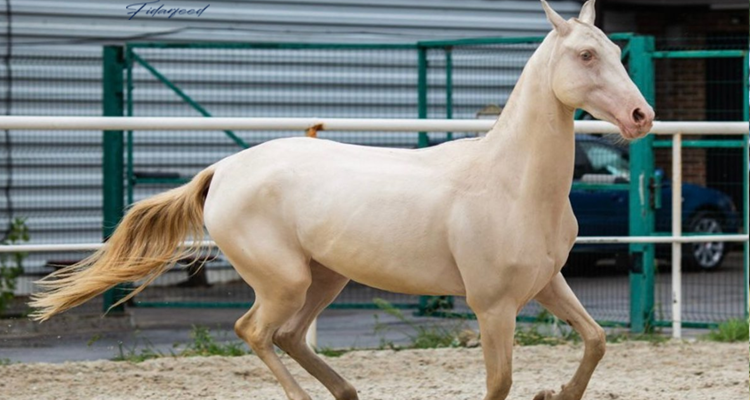
When it comes to endurance, few horses can rival the Turkmen breed. Bred in harsh desert climates, these horses evolved with an exceptional ability to survive and perform under extreme conditions. Their lean yet powerful muscles give them outstanding stamina, ideal for long-distance travel and racing.
Scientific studies on breed physiology have shown that Turkmen horses exhibit higher oxygen-carrying capacity in their blood and more efficient thermoregulation than many modern breeds. In real terms, this means they can maintain speed over distance, even in arid, hot climates where others would struggle.
Learn more about: Holsteiner Horses: Strength and Stamina for Heavy Work
For breeders focused on durability, the Turkmen horse is a solid investment. Whether for equestrian sport or long treks, its physical performance delivers consistent results with proper care and nutrition.

Grace and Elegance: The Striking Beauty of the Turkmen Horse
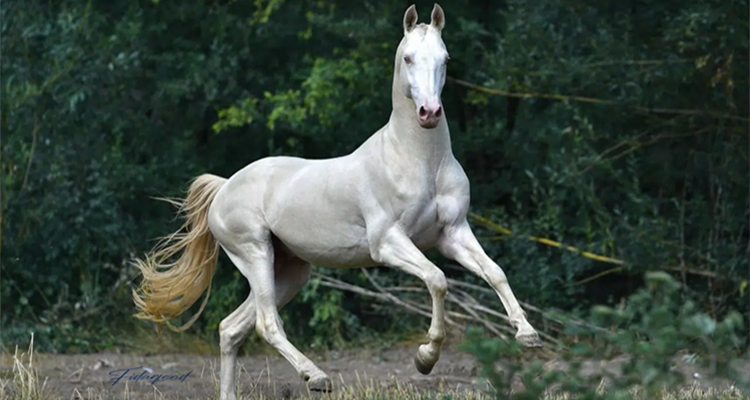
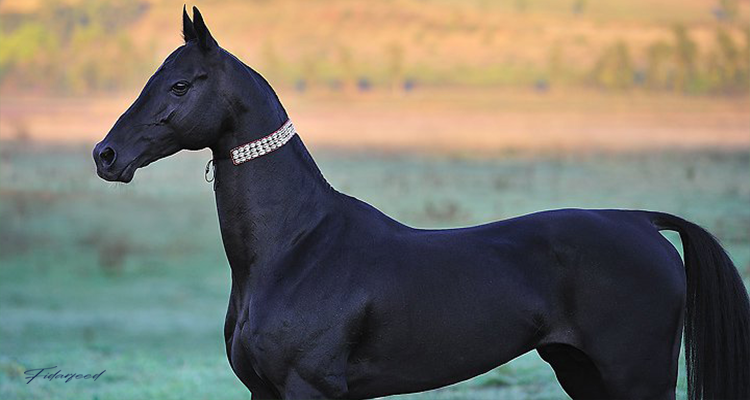
Aesthetically, the Turkmen horse is a masterpiece. Its slim, refined frame is wrapped in a fine, metallic-sheened coat—often shimmering in gold, silver, or bronze tones. This unique coat is not just for show; it’s the result of ultra-fine hair that reflects light, giving the horse an almost glowing appearance in sunlight.
Add to that its long neck, expressive eyes, narrow head, and proud stance, and you have a breed that turns heads in every arena. It’s no wonder this horse has often been called a “living statue” or the “golden horse.”
Learn more about: Essential Tips to Prevent skin diseases in horses
Beauty in horses is more than just skin deep. In competitive and cultural events, appearance adds tremendous value. For breeders aiming to appeal to show markets or ceremonial demand, the Turkmen horse brings both form and function.

Distinctive Traits That Define the Turkmen Horse
What truly makes the Turkmen horse stand out are the traits that go beyond physical performance or appearance. These horses are highly intelligent, often described by trainers as intuitive and quick learners. They form strong bonds with their handlers, making them easier to train and more responsive under saddle.
Learn more about: Best Feed for Young Horses: Nutrition Tips for Healthy Growth and Development
Another defining trait is their resilience. Adapted to limited water and sparse grazing, they thrive on lean but high-quality diets. Their metabolism is fine-tuned for efficiency—something critical for feed planning and ration formulation.
They are also known for their calm temperament and sharp instincts, making them ideal for a wide range of disciplines—from racing and endurance riding to ceremonial use and companionship.

Turkmen Horse Breeding: Challenges and Best Practices
Despite their many strengths, breeding Turkmen horses is not without its challenges. Maintaining genetic purity, ensuring optimal health, and meeting the horse’s unique nutritional needs require dedication and expertise.
Best practices for breeders include:
-
Targeted Nutrition: Due to their fine build and efficient metabolism, Turkmen horses benefit from high-quality, nutrient-dense feed. Supplements rich in vitamins A, E, and selenium can support coat shine, muscle development, and immune function.
-
Proper Conditioning: While the breed is naturally lean, it’s important to ensure muscle tone through controlled exercise and pasture access.
-
Health Monitoring: Regular hoof care, dental checks, and parasite control are essential. Given their desert heritage, they may be more sensitive to overfeeding and colic risks if diets are not carefully managed.
Learn more about: Choosing the Right Horse Breed for Breeding: A Comprehensive Guide
Reputable breeders also focus on preserving traditional bloodlines while promoting healthy genetic diversity through carefully planned pairings.
Turkmen Horse vs. Other Breeds: A Meaningful Comparison
When compared to other popular horse breeds—such as Arabians, Thoroughbreds, or Warmbloods—the Turkmen horse occupies a unique niche. It combines the endurance of the Arabian, the grace of the Andalusian, and the speed of the Thoroughbred, but with its own distinct advantages.
-
Compared to Arabians: Turkmen horses tend to be taller and have a more streamlined appearance. Both are intelligent and tough, but Turkmen horses often require less water and adapt better to dry climates.
Learn more about: The Hidden Stress in Horses: How Human Actions Affect Welfare
-
Compared to Thoroughbreds: While Thoroughbreds are faster in short races, Turkmen horses excel in stamina and have fewer injury risks due to their leaner structure and natural hardiness.
This combination makes the Turkmen horse a versatile choice for breeders seeking beauty, performance, and longevity.
Why Breeders Value the Turkmen Horse: Insights from the Field
Feedback from experienced breeders highlights why the Turkmen horse continues to gain admiration. Many report lower veterinary costs due to the breed’s natural hardiness. Others appreciate their loyal temperament, noting how easily they bond with handlers and become responsive partners in training.
A breeder with over 20 years of experience noted, “No other breed I’ve worked with has the same mix of grace and grit. My Turkmen horses never quit on me—even during endurance rides over rough terrain.”
Learn more about: The Ultimate Guide: How to Treat Gingivitis in Horses and Prevent Recurrence
Such testimonials align with research findings and centuries of anecdotal evidence. The breed’s value is not just theoretical—it’s proven in the day-to-day experiences of those who raise and work with them.

Final Reflections: Preserving the Legacy of the Turkmen Horse
In a world where many horse breeds are chosen purely for commercial gain or show appeal, the Turkmen horse stands as a reminder of balance—between strength and beauty, between utility and elegance, between tradition and performance.
For horse breeders, understanding the Turkmen horse means more than knowing its traits. It means recognizing its cultural legacy and realizing the responsibility that comes with raising and preserving such a remarkable breed.
Whether you are a seasoned breeder or someone just entering the world of horse breeding, investing in the Turkmen horse: strength, beauty, and unique traits is a decision rooted in value, tradition, and future potential.
We’d love to hear your thoughts. If you’ve bred or worked with Turkmen horses, share your experiences below. Have questions or insights? Leave a comment—we welcome your voice in this ongoing conversation about one of the world’s most extraordinary horse breeds.