Equine Papillomatosis (Horse Warts) is a skin condition that often surprises even experienced horse owners. While generally harmless, it can raise concerns about health, biosecurity, and appearance — especially in young horses. Understanding what causes these warts, how to recognize them, and when to take action is essential for responsible breeders and equine professionals. In this comprehensive guide, we’ll explore everything you need to know, from cause to treatment, in straightforward, easy-to-understand language. Whether you’re managing a breeding operation or caring for a single foal, this guide will help you respond with confidence and care.
What Is Equine Papillomatosis (Horse Warts)?
A Clear Explanation of This Common Skin Condition in Young Horses
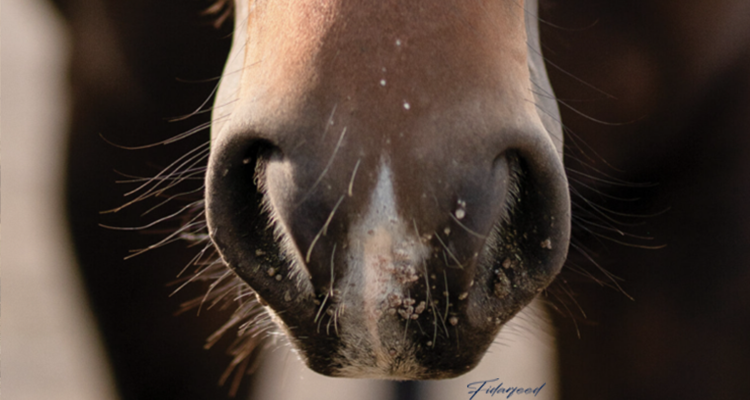
Equine papillomatosis, commonly known as horse warts, is a benign viral skin disease. It mainly affects young horses under three years old, whose immune systems are still developing. These warts typically appear on the muzzle, lips, ears, eyelids, or genital area and can range in size and number.
Learn more about: Probiotic Supplement for Horses and foals
The condition is caused by a specific type of equine papillomavirus and is similar to warts seen in other animals — including humans. Despite their unpleasant appearance, horse warts are usually painless and not a long-term threat to health. Still, early recognition and proper management are key to preventing complications or unnecessary spread.

What Causes Equine Papillomatosis in Horses?
Understanding the Viral Origin and Risk Factors of Horse Warts
The root cause of horse warts is a viral infection, specifically Equine Papillomavirus Type 1. The virus enters through small abrasions in the skin, often caused by grooming equipment, rough play, or minor injuries — especially around the mouth or muzzle.
Risk factors include:
-
Age (foals and yearlings are most susceptible)
-
Weakened immunity
-
Poor hygiene in grooming tools or shared tack
-
Close contact with infected horses
Learn more about: Holsteiner Horses: Strength and Stamina for Heavy Work
Just like how children often get warts during early school years, foals are more likely to develop warts when their immune systems are still maturing. Horses with robust immune responses usually avoid infection or clear it faster.
Recognizing the Symptoms of Horse Warts
How to Identify Equine Papillomatosis Early and Accurately
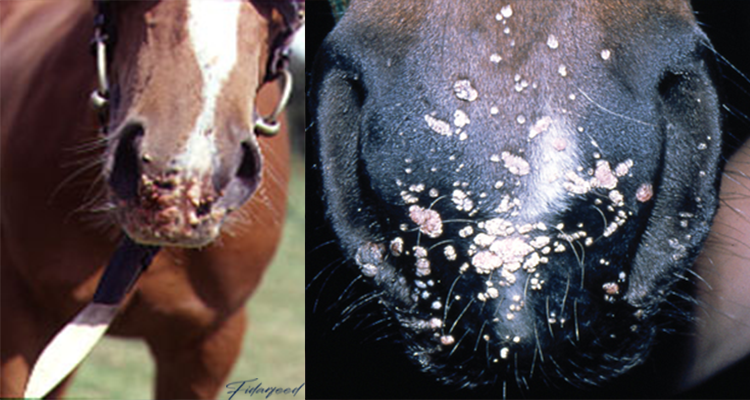
Horse warts are fairly easy to spot once you know what to look for. They usually appear as:
-
Small, greyish or pink, cauliflower-like growths
-
Clusters of warts (sometimes dozens in one area)
-
Primarily located on the muzzle, lips, or eyelids
-
No signs of pain or itching, though mild irritation can occur
Learn more about: Essential Tips to Prevent skin diseases in horses
In rare cases, warts may appear around the genitals or inside the ears. It’s important to differentiate them from other skin growths or conditions, which we’ll cover later in this article.
Are Horse Warts Contagious? Here’s What You Should Know
Transmission Risks and How to Protect Other Horses in Your Stable
Yes, equine papillomatosis is contagious, especially in environments where horses share grooming tools, halters, feeders, or water troughs. The virus spreads through direct contact or via contaminated surfaces.
To reduce the risk:
-
Isolate infected horses when possible
-
Disinfect shared equipment regularly
-
Avoid using the same brushes or tack on multiple horses without cleaning
Fortunately, adult horses who have already been exposed and developed immunity are unlikely to catch or spread the virus. Still, biosecurity practices are critical in mixed-age herds.
Treatment Options for Equine Papillomatosis (Horse Warts)
From Natural Recovery to Veterinary Intervention — What Works Best
The good news is that most cases resolve on their own within a few weeks to a few months. Since the warts are caused by a virus, the best “treatment” is often simply allowing the horse’s immune system to fight it off naturally.
However, in certain cases, intervention may be necessary:
-
Severe or persistent warts can be removed surgically or frozen off (cryotherapy)
-
Topical antiviral creams may be prescribed by veterinarians
-
Boosting the immune system through proper nutrition and feed supplements may help
Learn more about: Best Feed for Young Horses: Nutrition Tips for Healthy Growth and Development
Veterinary care is advised if warts are bleeding, infected, or interfering with feeding or vision.

How Long Do Horse Warts Last?
Expected Duration and What Affects Healing Time
In most healthy young horses, warts disappear in 1 to 3 months without treatment. However, several factors can influence healing time:
-
Immune strength (horses on balanced nutrition often recover faster)
-
Level of hygiene
-
Stress levels
-
Severity and spread of the infection
Learn more about: Choosing the Right Horse Breed for Breeding: A Comprehensive Guide
In a few rare cases, warts can persist for six months or longer. If there’s no improvement after a few months, it’s best to consult a veterinarian.
When Should You Call the Vet for Horse Warts?
Red Flags That Require Professional Medical Attention
Although typically harmless, there are times when professional evaluation is necessary. Contact your vet if:
-
Warts bleed, ooze, or show signs of infection
-
They grow rapidly or appear in unusual locations
-
Your horse seems to be in discomfort or pain
-
The condition persists beyond 3–4 months
Also, if you’re unsure whether it’s really papillomatosis or something more serious (like a sarcoid or fungal infection), a proper diagnosis is essential.

Can You Prevent Equine Papillomatosis?
Practical Tips for Reducing the Risk of Outbreaks in Your Herd
While it’s hard to guarantee complete prevention, you can minimize the risk of equine papillomatosis by:
-
Cleaning and disinfecting grooming tools and tack regularly
-
Avoiding the mixing of young horses with unknown histories
Learn more about: The Hidden Stress in Horses: How Human Actions Affect Welfare
-
Supporting immune health with balanced nutrition and stress reduction
-
Quarantining new arrivals before introducing them to your herd
Vaccines for equine papillomavirus are not widely available, so good management practices remain your best defense.
Horse Warts vs. Other Skin Conditions
How to Tell the Difference and Avoid Misdiagnosis
Not all skin growths in horses are warts. Conditions that may look similar include:
-
Sarcoids (a type of skin tumor, often mistaken for warts)
-
Dermatophytosis (ringworm – a fungal infection)
-
Allergic skin reactions or insect bites
-
Mites and mange
If in doubt, a skin biopsy or veterinary exam can confirm the diagnosis. Misidentifying the condition could lead to delayed treatment or unnecessary concern.

Final Thoughts: Managing Equine Papillomatosis with Confidence
Helping Your Horses Heal While Protecting the Herd’s Health
Equine papillomatosis (horse warts) may look alarming at first, but in most cases, it’s a mild, self-limiting condition that resolves naturally with time. With proper hygiene, supportive care, and awareness, you can protect your horses from unnecessary discomfort and reduce the spread within your stable.
As a horse breeder or caretaker, your daily management choices — from nutrition and grooming to isolation protocols — play a huge role in preventing outbreaks and maintaining a healthy herd.
Have you dealt with horse warts in your stable? What methods have worked best for you? We invite you to share your experiences, ask questions, or leave a comment below. Let’s support each other in raising healthier, happier horses.