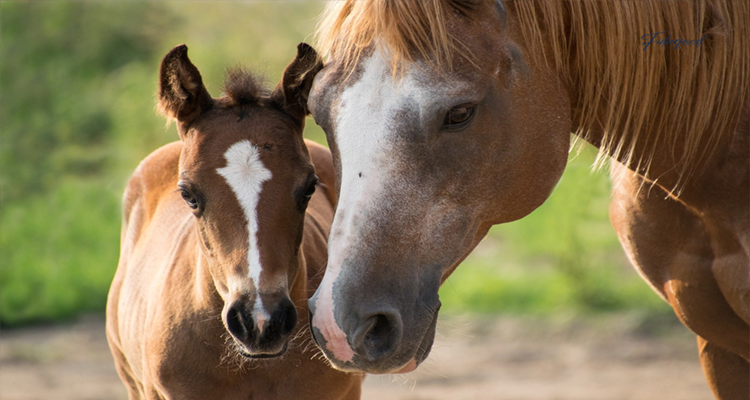
Horse breeding is a rewarding yet complex endeavor that requires careful planning, knowledge, and a deep understanding of equine biology. Whether you’re a novice breeder looking to start your journey or an experienced breeder aiming to refine your practices, mastering the basics is essential for success. In this guide, we’ll cover the critical steps you need to follow, from selecting the right horses to managing breeding techniques and ensuring the health of your mares and foals. By the end of this article, you’ll have the knowledge you need to begin your horse breeding journey with confidence.
Understanding Horse Breeding Basics: Why It’s Important to Get It Right
The foundation of successful horse breeding starts with understanding the basics. Breeding horses is not just about producing foals—it’s about creating strong, healthy, and high-performing animals. Poor breeding practices can lead to undesirable traits in the offspring, reduced fertility, and increased risk of diseases. Getting it right ensures the well-being of both the mare and the foal, enhances your breeding program’s success rate, and ultimately contributes to the long-term viability of your business.
Learn more about: Probiotic Supplement for Horses and foals
For example, consider the highly sought-after performance horses bred for disciplines like racing, dressage, or show jumping. These horses require a carefully selected combination of genetics, environment, and care to meet the demanding expectations of these sports. When breeders focus on the fundamentals of breeding, they set their horses up for success in their specific roles.

The First Steps in Horse Breeding: Planning and Preparation
Before you even think about selecting horses for breeding, the first step is planning. A solid breeding plan is the roadmap to your success. Here are the main areas to focus on:
-
Business Plan: Determine your objectives—are you breeding for performance, sale, or perhaps improving a specific breed? Establishing clear goals will guide your breeding decisions.
-
Financial Considerations: Horse breeding is a significant financial commitment, so you must prepare a budget. Factor in the costs of purchasing horses, veterinary care, feed, equipment, and facilities.
Learn more about: Active Probiotic Yeast for Large animal
-
Research: Learn about the horses you intend to breed, including their genetic backgrounds, strengths, and weaknesses. Consult with experienced breeders, veterinarians, and equine geneticists to ensure your breeding program is well-researched and informed.
-
Facility Setup: Prepare your breeding facility, including stables, pastures, and necessary equipment. Breeding requires a safe, clean, and comfortable environment to minimize stress and maximize fertility.
Choosing the Right Horses for Breeding: What to Look For
Selecting the right stallions and mares is perhaps the most important step in the breeding process. Breeding decisions should be based on several factors:
-
Breed and Lineage: Whether you’re breeding for racing, work, or recreational purposes, make sure that the breed aligns with your objectives. Thoroughbreds are ideal for racing, while Quarter Horses excel in ranch work and rodeo events. Understanding the specific traits and characteristics of your chosen breed is crucial.
-
Health and Conformation: Horses with excellent physical health and proper conformation are more likely to pass on strong genes to their foals. Be sure to examine your breeding horses for any genetic conditions, lameness, or structural weaknesses that could be inherited.
Learn more about: Holsteiner Horses: Strength and Stamina for Heavy Work
-
Temperament: The temperament of the mare and stallion will influence the behavior and trainability of their offspring. A calm and willing temperament is often passed down, so prioritize horses with desirable personalities.
-
Performance Record: A strong performance history, whether in competition or work, is a great indicator that the horse has the physical and mental attributes needed for success in its field.

Understanding the Horse Reproductive Cycle: Timing Is Everything
To increase the chances of a successful breeding, timing is critical. Understanding the equine reproductive cycle is essential for planning breeding sessions. Mares typically come into heat (estrus) every 21 days, and the best time to breed is when they are in estrus.
Signs of estrus include:
-
Increased vocalization
-
Restlessness and tail lifting
Learn more about: Essential Tips to Prevent skin diseases in horses
-
Desire to be around stallions
-
Changes in behavior
It’s essential to track the mare’s cycle to ensure optimal breeding times. Many breeders use tools like hormone testing or ultrasound to confirm the mare’s fertile window.
Creating a Comfortable Breeding Environment: Setting Up Your Facility
A well-equipped breeding facility plays a key role in the health and safety of your horses. Here’s what you need to consider when setting up your breeding environment:
-
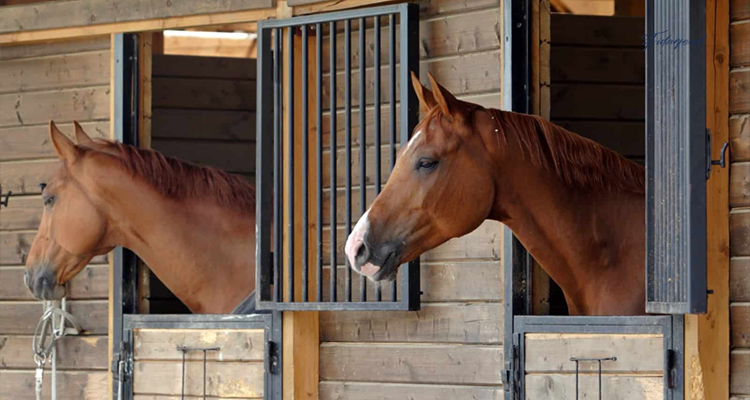
Stables: Your stables should provide shelter, cleanliness, and space for both the mare and stallion. Proper ventilation, lighting, and temperature control are essential to minimize stress and maintain optimal health.
-
Pastureland: Provide a clean, safe pasture for horses to roam and socialize. Mares and foals need access to good quality pasture for grazing, which contributes to their overall well-being.
Learn more about: Best Feed for Young Horses: Nutrition Tips for Healthy Growth and Development
-
Fencing and Security: Ensure that your fencing is secure to prevent escapes or injuries. Properly constructed fencing keeps your breeding stock safe from predators and other hazards.
-
Equipment: Invest in basic equipment like feed and water troughs, grooming tools, and breeding facilities such as mounting blocks or artificial insemination tools, if applicable.

Nutrition for Breeding Horses: Supporting Fertility and Health
The right nutrition is essential to support your horses’ fertility and overall health. A balanced diet with the proper mix of vitamins, minerals, proteins, and fats is critical, especially for breeding mares and stallions. Malnutrition can affect fertility rates and reduce the chances of a successful pregnancy.
-
For Stallions: Ensure they receive high-quality feed to maintain their energy, vitality, and reproductive health.
-
For Mares: Provide a diet rich in nutrients, including sufficient calcium and phosphorus for bone development. A healthy mare is more likely to conceive and carry a foal to term.
-
For Foals: Nutrition is equally important post-birth to support the foal’s growth. Ensure that the mare has access to proper feed, so the foal receives adequate colostrum and nutrients after birth.

Horse Breeding Techniques: Natural vs. Artificial Insemination
There are two primary methods of horse breeding: natural breeding and artificial insemination (AI). Both methods have their pros and cons:
-
Natural Breeding: This is the traditional method, where the stallion and mare mate naturally. It’s simple and does not require specialized equipment, but it does come with higher risks, such as injury during mating.
Learn more about: Choosing the Right Horse Breed for Breeding: A Comprehensive Guide
-
Artificial Insemination: AI is increasingly popular due to its ability to reduce injury risk and increase breeding efficiency. It allows you to use semen from a high-quality stallion who may not be nearby. However, it requires veterinary expertise and specialized equipment.
Caring for Pregnant Mares and Newborn Foals: What You Need to Know
Caring for pregnant mares and newborn foals requires patience and attention to detail. Pregnant mares need a safe, comfortable environment and increased nutrition to support their growing foal. Once the foal is born, it’s vital to monitor its health closely, ensuring that it nurses early and receives colostrum for immune protection.

Common Challenges in Horse Breeding: How to Overcome Them
Breeding horses isn’t without its challenges. Some common issues include:
-
Infertility: Either the stallion or mare may have fertility problems. Regular veterinary checks, semen analysis, and health monitoring are essential.
-
Miscarriages: Some mares may miscarry if stressed or in poor health. Minimizing stress and ensuring a comfortable environment can reduce the risk.
Learn more about: The Hidden Stress in Horses: How Human Actions Affect Welfare
-
Difficult Births: Some foals may be born with complications. Having an experienced veterinarian on hand is crucial for handling emergencies.
Conclusion: Embarking on Your Horse Breeding Journey with Confidence
Horse breeding is an exciting and rewarding venture, but it requires dedication, research, and preparation. By following the horse breeding basics outlined in this guide, you can increase your chances of success and build a sustainable breeding program. Remember, the key to successful breeding is in the planning, care, and attention you give to your horses. Don’t hesitate to reach out to experienced breeders, veterinarians, and equine specialists as you embark on this journey.
Take the first step today, and let your passion for horses lead you to success!