Nanotechnology in Animal Feed Additives is rapidly transforming the way breeders think about livestock nutrition. It’s not just a scientific trend—it’s a practical, game-changing approach for those who want healthier animals, more efficient feed conversion, and sustainable farming practices. Whether you’re a seasoned breeder or new to animal husbandry, understanding how nanotech works in feed can open the door to better herd performance and economic gain. Let’s explore how this innovative science is reshaping modern animal feed, and why now is the time to pay attention.
What Is Nanotechnology in Animal Feed Additives and How Does It Work?
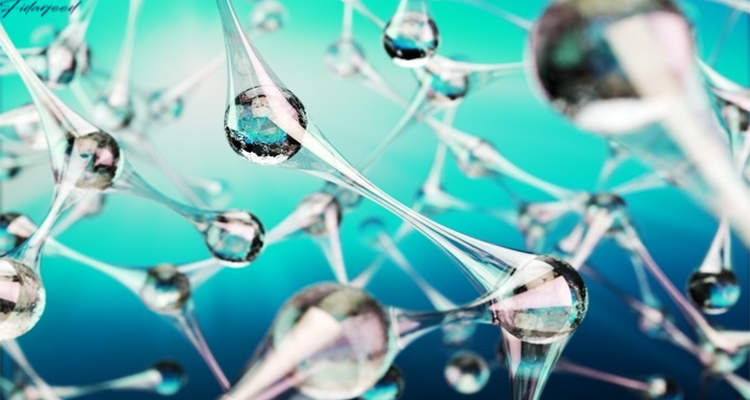
Nanotechnology refers to the manipulation of materials at the molecular or atomic level—specifically at the nanoscale, which is about 1 to 100 nanometers. When applied to animal feed, it means breaking down nutrients or supplements into ultra-small particles. These particles have a larger surface area, making them more reactive and more bioavailable to animals.
Learn more about: Product
For instance, minerals like zinc or selenium, when delivered in nanoparticle form, can be absorbed more effectively in the digestive tract. Similarly, nano-encapsulation techniques protect sensitive nutrients or probiotics from being destroyed in the stomach, ensuring they reach the intestine where they’re most useful. In short, nanotechnology enhances the delivery, absorption, and effectiveness of essential feed components.
Why Animal Breeders Are Turning to Nanotechnology for Better Results
Across the feed industry, there’s growing interest in nanotechnology—and for good reason. Traditional feed additives sometimes pass through the animal’s system without being fully absorbed. This leads to wasted nutrients, higher costs, and limited benefits.
Learn more about: Everything You Need to Know About Wholesale Feed Additives
Breeders are recognizing that nanotech solutions not only maximize nutrient uptake but also support animal health and farm profitability. A calf with stronger immunity, for example, is less likely to suffer from disease outbreaks. Poultry fed with nano-supplemented feed often show better growth rates and lower mortality. These tangible improvements help explain why nanotechnology is gaining traction in barns and feed mills alike.

Key Benefits of Using Nanotechnology in Animal Feed Additives
The advantages of nanotechnology in animal feed additives are numerous and well-documented:
-
Improved feed efficiency: Animals get more nutrition from smaller quantities of feed, saving money over time.
-
Enhanced growth rates: Livestock gain weight faster and more consistently.
-
Stronger immune function: Reduced disease incidence means fewer medical interventions and lower mortality.
-
Less dependence on antibiotics: Nano-additives that support immunity and gut health can reduce the need for routine antibiotic use.
-
Environmental protection: With better nutrient absorption, there’s less waste excreted into the environment.
Learn more about: Livestock Feed Suppliers: Your Source for Premium Animal Nutrition
A study published in the Journal of Animal Physiology and Animal Nutrition showed that nano-selenium supplementation significantly boosted growth performance in broilers while reducing oxidative stress markers—clear evidence of real biological benefits.
How Nanoparticles Help Improve Digestive Health and Nutrient Uptake
Digestive health is the cornerstone of animal productivity. If the gut isn’t functioning well, animals can’t thrive—no matter how high-quality the feed.
Nanoparticles of minerals, vitamins, enzymes, and probiotics can be absorbed faster and more completely in the intestine. For example, nano-zinc has been shown to support intestinal lining integrity, improving barrier function and nutrient assimilation. Nano-encapsulated probiotics also survive gastric acids better, arriving intact in the gut where they support microbial balance.
Learn more about: Wholesale & Retail Ready-Made Animal Feed at Competitive Prices
For breeders, this means stronger, healthier animals that convert feed into body mass more efficiently—and with fewer digestive problems along the way.
Enhancing Animal Immunity with Nano-Enabled Feed Additives
Healthy animals are the backbone of a successful farm. Nanotechnology in animal feed additives can significantly strengthen the immune systems of livestock, particularly during high-stress periods like weaning, transport, or environmental changes.
Certain nanoparticles—like nano-silver or nano-curcumin—have antimicrobial and anti-inflammatory properties. These help animals fight infections more effectively without relying heavily on antibiotics.
Learn more about: Get the Best Value: Ready-Made Feed for Livestock, Poultry & Aquaculture
Scientific trials have shown that calves fed nano-supplemented feeds developed more robust immune responses, recovering faster from illnesses and maintaining better growth rates during challenges. For breeders, that’s not just peace of mind—it’s smart business.
Reducing Feed Waste and Environmental Impact with Nanotechnology
Traditional feeding methods often lead to nutrient loss—both in the animal’s gut and into the environment through feces. Nanotech additives minimize this waste by ensuring that more of what’s fed is actually used.
For example, nano-minerals are more stable in the feed and less likely to degrade before absorption. As a result, there’s less need for high-dose supplementation, and less phosphorus or nitrogen ends up in manure. This contributes to cleaner barns, reduced odors, and lower greenhouse gas emissions.
Learn more about: Premium Animal Feed Wholesale: Top Quality for Professional Breeders
In today’s world, where environmental sustainability matters more than ever, using nanotechnology in feed can help breeders align with eco-friendly practices.
Real-Life Examples: How Farmers Are Using Nanotech Feed Additives
Real-world use cases speak louder than theory. In one dairy operation, switching to nano-chelated trace minerals resulted in a 12% increase in milk yield over four months—without any changes to feeding volume. Similarly, poultry farms that adopted nano-encapsulated enzymes reported improved feed conversion ratios and reduced mortality during hot weather.
These examples show that with the right integration, nanotech additives don’t just work on paper—they deliver results on the ground.
Safety First: Are Nanotechnology-Based Additives Safe for Livestock and Humans?
Safety is a legitimate concern when it comes to any new technology, especially one that enters the food chain. Fortunately, numerous studies and reviews by veterinary and food safety organizations have concluded that when properly formulated and dosed, nanotechnology in animal feed additives is safe.
The particles used are typically designed to degrade safely in the animal’s body, with no residual toxicity. Furthermore, strict regulatory oversight ensures that products meet health and safety standards. Still, it’s essential for breeders to source additives from trusted, scientifically validated suppliers.
What to Consider Before Switching to Nanotechnology in Animal Feed
Thinking about incorporating nanotech into your feeding program? Here are a few key considerations:
-
Cost: While nano-additives can be more expensive upfront, their improved efficiency may offer better long-term value.
-
Storage and handling: Some nano-formulations require specific conditions to remain stable and effective.
-
Compatibility: Make sure the nano-additive aligns with your existing feed formulations and animal health plans.
-
Training: Ensure your team understands how and when to use these additives for maximum benefit.
A thoughtful approach will help you make the most of this promising technology.

The Future of Nanotechnology in Animal Feed Additives: What’s Next?
The potential of nanotechnology in livestock nutrition is still growing. In the coming years, we can expect even more targeted nano-formulas—designed to deliver precise nutrients to specific tissues or organs. Precision feeding powered by AI and data analytics may work hand-in-hand with nanotech to revolutionize animal care.
Smart feed systems may soon use sensors and nanotech to monitor an animal’s health and adjust feed in real time. For breeders ready to evolve with the times, the future holds exciting opportunities.
Conclusion
Nanotechnology in animal feed additives is no longer science fiction—it’s practical, powerful, and already proving its worth on farms around the world. From improved digestion to stronger immunity and reduced environmental impact, this innovation holds the key to a more efficient and sustainable future in animal breeding.
Are you already using nano-based feed solutions on your farm? Curious about how to start? Leave a comment, share your thoughts, or ask your questions below—we’d love to hear from you!