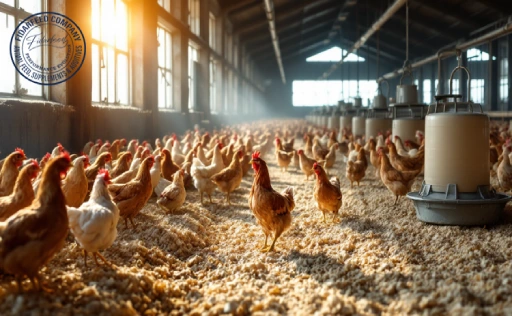
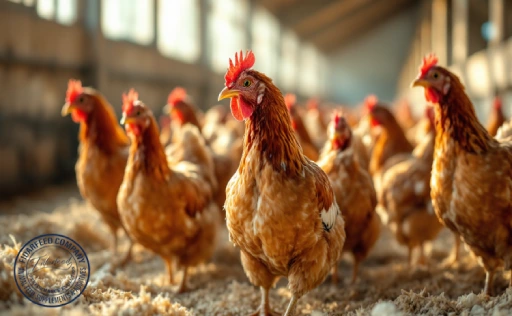
Egg Production Cycle is at the heart of every layer breeder’s daily work — yet mastering it requires more than just collecting eggs. Each step, from the hen laying an egg to delivering it to the market, affects the quality of the product, the welfare of the birds, and the breeder’s profit. Whether you’re an experienced producer looking to refine your practices or a newcomer eager to learn, understanding this cycle fully is essential. In this article, we’ll walk you through the entire journey of the egg, offering practical advice, proven techniques, and real-world insights to help you succeed.
Let’s dive in and uncover how to perfect each stage of the egg production cycle!
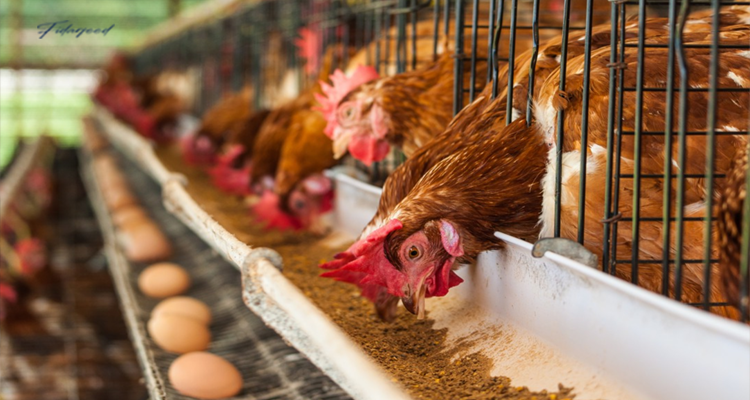
Why Understanding the Egg Production Cycle Is Essential for Every Breeder
The egg production cycle isn’t just a routine — it’s the backbone of your business. Every stage, from laying to market delivery, influences the final quality of the eggs and the productivity of your flock.
Learn more about: Active Probiotic Yeast for Poultry
Breeders who understand the cycle deeply can:
-
Detect and resolve issues early, such as drops in egg quality or hen health problems.
-
Increase efficiency by reducing breakage and waste.
-
Improve their reputation in the market by consistently supplying fresh, high-quality eggs.
For example, research has shown that poor handling during collection and transport can result in up to 10–15% of eggs being lost or downgraded. Knowing where mistakes happen and how to prevent them can directly increase your earnings.
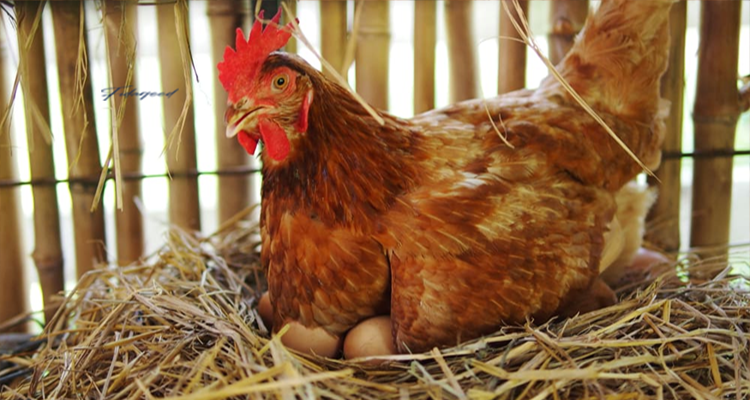
The Egg Production Cycle Explained: From Hen to Market-Ready Egg
The egg production cycle consists of several connected stages:
- Laying: Hens lay eggs in nest boxes, usually in the morning.
- Collection: Eggs are gathered manually or with mechanical systems.
- Handling and cleaning: Removing dirt and storing properly to maintain hygiene.
- Grading and sorting: Assessing eggs by weight, shell quality, and cleanliness.
- Packaging and transport: Packing eggs securely and delivering them to the buyer or market.
Learn more about: Boost Your Egg Production with Classica Layer Chickens
Every one of these steps matters. Skipping or rushing any part could mean eggs that crack, spoil faster, or fail to meet market standards.

Inside the Henhouse: How Hens Produce Eggs Day After Day
It’s fascinating how a hen produces an egg. Inside her body, the process takes about 24–26 hours. The yolk is formed in the ovary, then surrounded by albumen (egg white), membranes, and finally a shell in the oviduct.
Learn more about: Decreased Egg Production in Laying Hens: Common Diseases in Chickens to Watch
Most hens lay early in the day, and their biological rhythms depend on good nutrition, lighting, and low stress. If hens are uncomfortable — too hot, crowded, or underfed — egg production can decline. Understanding the biology of your birds helps you create an environment that keeps them healthy and productive.

Collecting and Handling Eggs Properly to Protect Quality
One of the most common reasons eggs lose value is poor handling during collection. To minimize damage:
-
Collect eggs at least three times a day to avoid overcrowding in nest boxes.
-
Use clean, dry hands or gloves to avoid contaminating shells.
-
Place eggs in clean, padded trays immediately.
-
Store them in a cool, dry area (ideally around 12–15°C with moderate humidity) until they’re graded.
Learn more about: The Chicken Egg Production Cycle: A Comprehensive Overview
Avoid washing eggs unless absolutely necessary, and if you must, use water warmer than the egg and dry them quickly to prevent bacteria from entering through the pores of the shell.
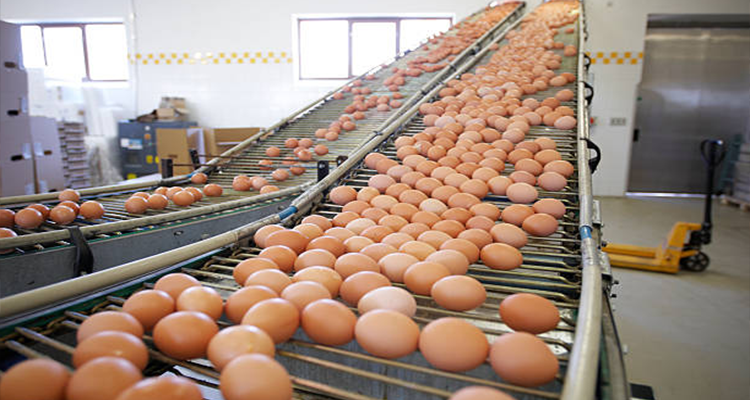
Grading and Sorting: Ensuring Eggs Meet Market Standards
Markets usually require eggs to meet specific quality standards. Grading involves inspecting eggs for:
-
Size and weight.
-
Shell cleanliness and integrity.
-
Internal quality, such as yolk position and air cell size (sometimes checked using candling).
Learn more about: Probiotics’ Effect on Egg Production: Boosting Naturally
For example, “Grade A” eggs typically have clean shells and strong yolks, while eggs with thin shells, cracks, or irregular shapes may be sold for processing or at a lower price. Learning to grade eggs properly ensures you meet buyer expectations and maintain your reputation.

Packaging and Transport: Keeping Eggs Safe on the Way to Customers
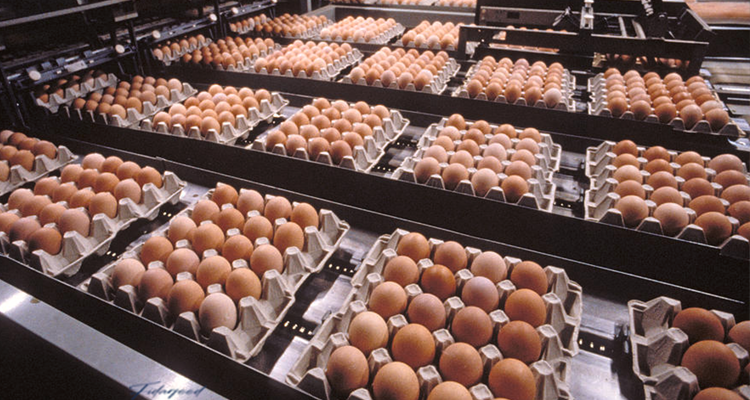
Even the best-laid eggs can arrive damaged if not packaged and transported correctly. To protect your product:
-
Use sturdy, shock-absorbing trays and cartons.
-
Avoid stacking trays too high to prevent crushing.
-
Keep eggs cool and protected from direct sunlight during transport.
-
Train workers to handle eggs gently at every stage.
Learn more about: How To Start Egg Laying Chicken Business: Your First Steps
Real-world studies show that careful packing and climate-controlled transport can reduce breakage rates by up to 50%.
Common Mistakes Breeders Make During the Egg Production Cycle (and How to Avoid Them)
Many breeders unknowingly repeat errors that cost them money and stress their birds. Some of the most common include:
- Leaving eggs in nest boxes too long, leading to dirty or broken shells.
- Using dirty or damp nest material, increasing bacterial contamination.
- Washing eggs improperly, which can let bacteria in through the shell.
- Storing eggs at the wrong temperature or humidity, causing spoilage.
- Mishandling eggs during grading or packing, resulting in cracks.
By focusing on gentle handling, proper hygiene, and maintaining the right environment for both birds and eggs, you can avoid these costly mistakes.

Final Thoughts: Mastering the Egg Production Cycle for Success
The egg production cycle is more than just a routine chore — it’s the key to your success as a breeder. When you care about every stage — from the health and comfort of your hens to the cleanliness and protection of the eggs — you not only improve quality and profits but also build trust with your buyers.
Pay attention to the details, invest in good practices, and don’t hesitate to seek advice or training when needed. Remember, every egg represents the combined result of your hens’ health and your management skills.
If you’ve found this guide helpful or have questions about improving your own egg production cycle, feel free to leave a comment below. We’d love to hear your experiences, answer your questions, and learn from your insights as well.
If you’ve found this guide helpful or have questions about improving your own egg production cycle, feel free to leave a comment below. We’d love to hear your experiences, answer your questions, and learn from your insights as well.
Thank you for reading — and best of luck on your journey toward better eggs and happier hens!