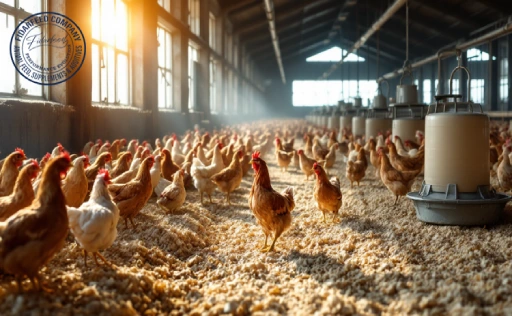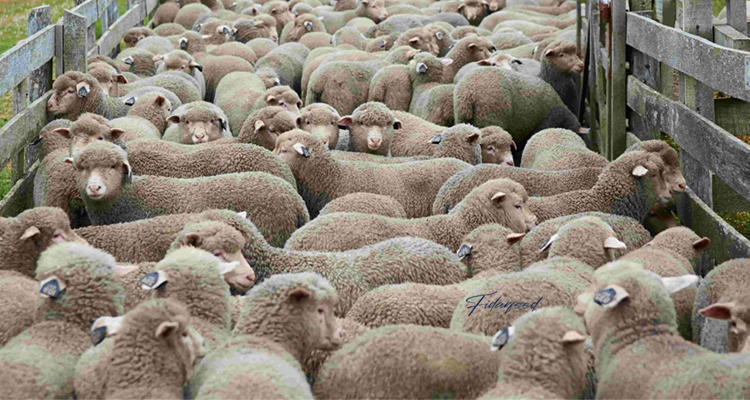
Livestock Care and Hygiene on Sheep Farms is more than a daily routine—it’s a cornerstone of successful sheep farming. Whether you’re a seasoned breeder with years of experience or just starting out with your first flock, one thing remains clear: clean, healthy environments lead to thriving animals. This article is your go-to guide for understanding and applying practical, research-backed strategies to improve hygiene, animal well-being, and productivity on your sheep farm. Stick with us as we unpack the why and how behind effective livestock care, one step at a time.
Why Livestock Hygiene Matters on Sheep Farms
Hygiene on sheep farms isn’t just about appearances—it directly affects the health and productivity of your flock. Poor hygiene can cause bacterial and parasitic infections, respiratory problems, and stress-related disorders. According to studies published in the Veterinary Microbiology Journal, farms with poor sanitation experienced up to 30% higher disease incidence compared to farms with consistent hygiene protocols.
Learn more about: TMR Silage Animal Feed
Beyond health, neglecting hygiene leads to increased veterinary costs, decreased weight gain, and lower wool and meat quality. Cleanliness, therefore, is both a health necessity and a smart business move.
Daily Livestock Care Routines Every Sheep Breeder Should Follow
Creating daily care habits builds a foundation for a healthier, more manageable farm. Start each morning with a quick inspection of the flock. Look for signs of lameness, coughing, abnormal behavior, or discharge.
Learn more about: Economic Evaluation of Alternative Protein Sources in Livestock Farming
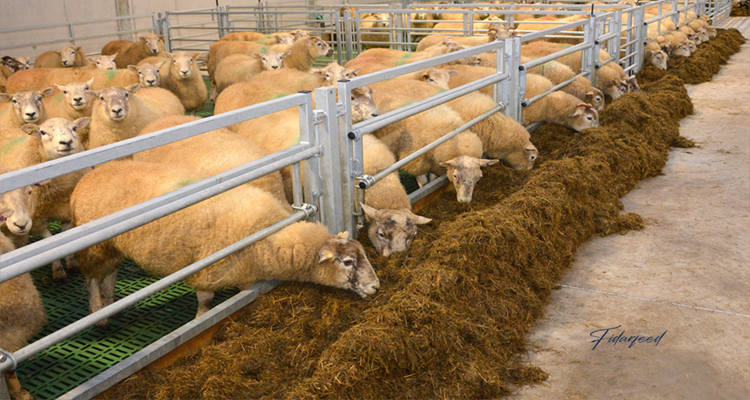
Feed and water should be checked and refilled with clean, uncontaminated supplies. Don’t forget to clean feeding troughs and water buckets—this prevents bacterial buildup. Set a schedule for bedding replacement, especially during wet or cold months. Even something as simple as routine brushing or checking hooves can make a big difference in preventing infections.
How to Set Up a Clean and Safe Environment for Your Sheep
The layout and cleanliness of your barn or shelter can dramatically influence sheep health. Ensure the floor is non-slip and easy to clean, with proper drainage to avoid stagnant water. Adequate ventilation is essential to reduce respiratory issues—sheep are sensitive to ammonia buildup from urine.
Bedding made of straw or wood shavings should be dry, soft, and replaced regularly. Divide the space so that lambs, ewes, and rams can be housed appropriately during different seasons. A designated sick bay helps isolate ill animals and prevents spreading infections.
Manure Management: Keeping Your Sheep Farm Clean and Odor-Free
Manure isn’t just waste—it’s a management challenge. If left unchecked, it can become a breeding ground for flies, parasites, and harmful bacteria. Implement a daily manure removal system, especially in high-traffic areas like feeding zones and rest areas.
Learn more about: Global Market Analysis of Alternative Protein Sources in the Livestock Industry
Composting manure properly transforms waste into a valuable fertilizer. To minimize unpleasant smells and reduce ammonia exposure, use biofiltration methods and apply lime to affected areas when necessary.
Proper Grooming and Parasite Control for Healthy Sheep
Regular grooming supports skin and wool health while helping to identify early signs of external parasites. Shearing at least once a year not only improves comfort but also lowers the risk of flystrike.
Learn more about: Livestock Feed Suppliers: Your Source for Premium Animal Nutrition
Hoof trimming, ideally every 6–8 weeks, prevents foot rot and mobility issues. Keep an eye out for signs of parasites like excessive scratching, hair loss, or irritation. Use targeted treatments like pour-on solutions or injections, as recommended by your vet, and rotate pastures to reduce parasite loads.
Water and Feed Hygiene: Preventing Contamination and Disease
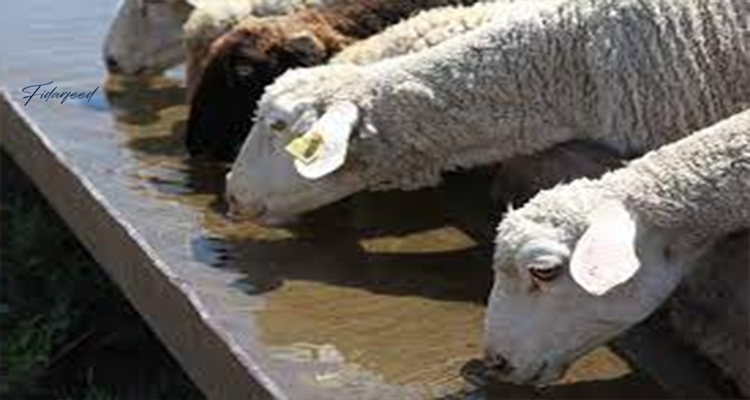
Water is often overlooked, yet contaminated water can quickly lead to widespread illness. Make sure tanks, troughs, and buckets are cleaned and scrubbed regularly. Algae and bacteria can build up fast, especially in warmer months.
Learn more about: Did You Know Livestock Productivity with TMR Silage Can Double?
Store feed in sealed containers, off the ground, and in dry, shaded areas to avoid mold and pest infestation. Feeding equipment should be sanitized weekly to avoid bacteria transmission.
Lambing Season Hygiene: How to Prepare for New Arrivals
Lambing is a critical time that demands heightened hygiene. Begin by deep-cleaning and disinfecting the lambing pens before use. Use clean towels and gloves during assistance, and ensure umbilical cords are treated with iodine immediately after birth.
Keep a close eye on both the lamb and ewe for signs of infection or distress. Provide plenty of dry bedding and maintain warmth to avoid hypothermia in newborns. Isolation of new lambs from the main flock can also reduce the spread of pathogens.
How to Recognize Early Signs of Disease in Sheep
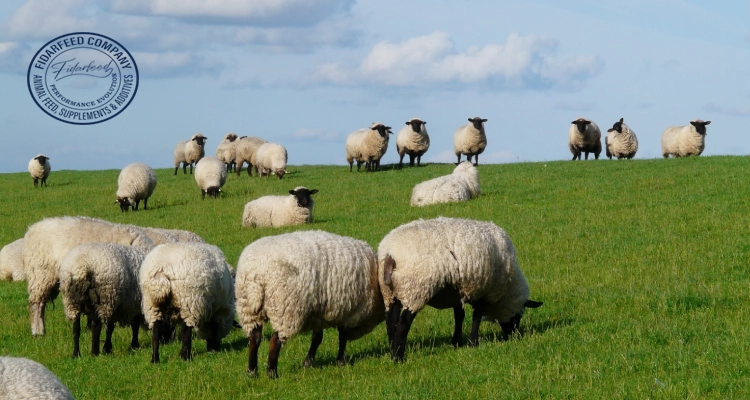
Spotting illness early can save both time and lives. Watch for changes in behavior such as lethargy, isolation, limping, coughing, or loss of appetite. Visible symptoms like nasal discharge, diarrhea, or swollen joints require immediate attention.
Learn more about: How TMR Silage Cuts Down Veterinary Expenses in Livestock Farming
Keep records of each animal’s health history and treatment. Rapid response prevents widespread outbreaks, saves on medical costs, and limits stress across the flock.
Biosecurity Measures to Prevent the Spread of Infections
Biosecurity might sound like a big-farm term, but it’s crucial for farms of every size. Simple steps like boot disinfectant baths, restricted visitor access, and quarantining new or sick animals can drastically reduce disease risks.
Use dedicated tools and clothing in each barn zone, and disinfect equipment regularly. If buying new sheep, isolate them for at least two weeks before integrating them into the main flock.
Training and Involving Staff in Hygiene Best Practices
Even with the best plans in place, inconsistent care can compromise everything. Every staff member or farmhand should understand the importance of hygiene routines, from feeding to cleaning.
Hold regular training sessions to review protocols and assign specific duties. Make hygiene a shared responsibility—when everyone is invested, outcomes improve across the board.
By applying these essential tips for livestock care and hygiene on sheep farms, you’ll create a healthier environment for your animals and a more productive future for your operation. Cleanliness isn’t just a chore—it’s a core part of successful sheep farming. Start with small changes, stay consistent, and watch your farm thrive.
We’d love to hear from you! If you have questions, suggestions, or personal experiences related to sheep care and hygiene, feel free to share them in the comments section below. Let’s grow better together.