Why High-Quality Animal Probiotics Matter for Livestock Health
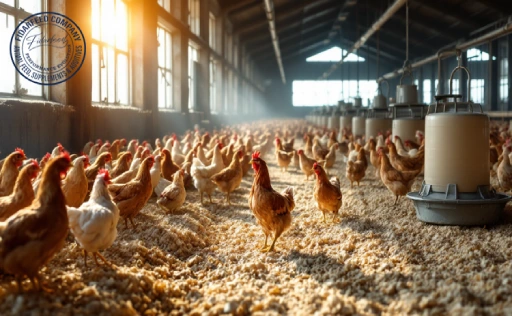
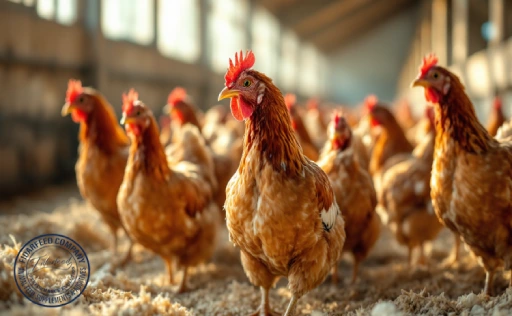
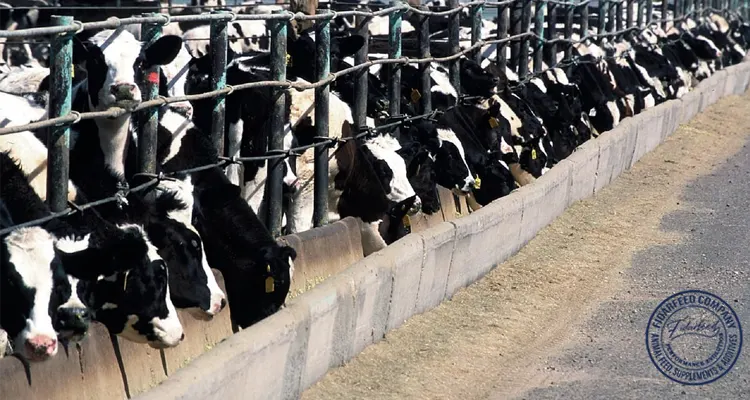
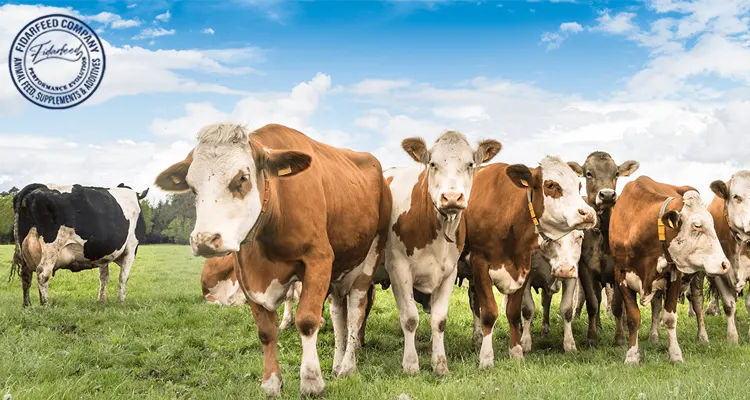
Animal probiotic supplier selection plays a crucial role in ensuring livestock health and productivity. Probiotics, are beneficial microorganisms, support digestion, enhance nutrient absorption, and strengthen immune function in animals. Whether you’re raising cattle, poultry, or swine, a well-balanced gut microbiome leads to better growth rates, improved feed conversion, and reduced dependency on antibiotics.
Scientific studies show that probiotics help prevent digestive disorders like diarrhea, which can be detrimental to livestock performance. A high-quality probiotic supplier provides strains that target specific health benefits, ensuring animals receive the right support for optimal well-being.
Key Factors to Consider When Selecting an Animal Probiotic Supplier
Choosing the right supplier is about more than just purchasing a product; it’s about forming a partnership. A reputable supplier should offer:
- Proven expertise in the animal health industry
- High-quality, science-backed probiotic strains
Learn more about: Active Probiotic Yeast for Large animal
- Transparent manufacturing processes and ingredient sourcing
- Reliable distribution and consistent product availability
Partnering with the right supplier ensures long-term benefits for both animals and business operations.
Understanding Probiotic Strains: What Your Supplier Should Offer
Not all probiotics are created equal. The effectiveness of a probiotic depends on the strains used. Key strains such as Lactobacillus, Bifidobacterium, and Bacillus species support gut health, immunity, and stress resistance in animals.
A reliable supplier should provide:
Learn more about: Your Guide to Selecting a Reliable Animal probiotic manufacturers
- Detailed strain information and documented benefits
- Custom formulations suited for different species
- Strains that survive storage, transportation, and digestion
Before purchasing, ask the supplier about scientific studies backing their probiotic strains to ensure effectiveness.
Quality Assurance: Certifications and Standards to Look For
A trustworthy animal probiotic supplier adheres to strict quality control standards. Look for certifications such as:
- GMP (Good Manufacturing Practices): Ensures product consistency and safety
- ISO Certification: Verifies compliance with international quality management standards
Learn more about: Smart Shopping: The Probiotic Online Buyer’s Guide for Animal Feed Supplements
- FAMI-QS:A European certification for feed additives and pre-mixtures
- Third-Party Lab Testing: Confirms purity, potency, and absence of contaminants
These certifications provide confidence that the probiotics are safe, effective, and meet regulatory requirements.
Evaluating Product Formulation and Delivery Methods
The way probiotics are formulated and delivered affects their efficacy. Common forms include:
- Powders: Easy to mix with feed but require proper storage to maintain viability
- Liquids: Convenient for direct application but may have a shorter shelf life
- Encapsulated Probiotics: Offer better protection against heat and stomach acids
Learn more about: The Key to Healthy Ruminants: Probiotic Supplements
Choose a supplier that provides options suited to your specific feeding regimen and management practices.
The Importance of Research and Innovation in Probiotic Development
A forward-thinking supplier invests in research to enhance probiotic effectiveness. Cutting-edge advancements include:
- Microencapsulation Technology: Protects probiotics from environmental stressors
- Synbiotics (Prebiotics + Probiotics): Enhances probiotic survival and activity
Learn more about: Save Big on Animal Probiotics: Wholesale Discounts Available
- Precision Probiotics: Target specific gut health needs based on animal species
Suppliers who prioritize innovation provide more effective solutions that contribute to better livestock health and productivity.
Pricing vs. Value: Finding a Cost-Effective Probiotic Supplier
While cost is an important factor, the cheapest option isn’t always the best. Instead of focusing solely on price, consider:
- Probiotic potency (CFU count per dose)
- Product stability and shelf life
- Proven efficacy backed by studies
- Cost savings from improved animal health and performance
An effective probiotic may have a higher upfront cost but provide better long-term value by reducing veterinary expenses and improving feed efficiency.
Customer Support and After-Sales Services: Do They Matter?
A supplier’s role extends beyond providing a product. Quality customer support ensures you get the best results. Key services to look for include:
- Technical support for product application
- On-farm consultations for optimal probiotic use
- Educational resources and training for farm staff
Learn more about: Top Factors to Consider When Choosing Animal Bulk Probiotic Suppliers
Strong customer support helps maximize the benefits of probiotics in animal nutrition.
Real Customer Feedback: A Key Indicator of Supplier Reliability
Customer reviews and testimonials provide insights into a supplier’s reliability and product effectiveness. Before choosing a supplier:
- Check online reviews and case studies
- Ask for references from other livestock farmers
- Look for consistent positive feedback on product performance
Real-world experiences can help you make an informed decision and avoid unreliable suppliers.
Making the Final Decision: Choosing the Right Supplier for Your Needs
When selecting an animal probiotic supplier, consider:
- Product quality and strain efficacy
- Certifications and industry credibility
- Pricing, customer support, and innovation
- Customer feedback and long-term reliability
By carefully evaluating these factors, you can establish a partnership with a supplier that meets your needs and supports the health and productivity of your livestock.
Final Thoughts
Choosing the right probiotic supplier is a crucial investment in animal health and farm profitability. By prioritizing quality, reliability, and scientific backing, you can ensure optimal results for your livestock. Have any questions or experiences to share? Drop a comment below—we’d love to hear from you!