Nutritional Showdown of Alternative Protein Sources has taken center stage in the animal feed industry. With rising concerns about sustainability, costs, and animal health, breeders and feed manufacturers are seeking practical solutions that go beyond the conventional. Soy protein, long hailed as a cornerstone of livestock nutrition, is now being questioned. Is there something better out there? Are alternatives like insect protein, algae, and legumes just hype—or do they offer real, tangible benefits? If you’re a breeder or stakeholder in the feed industry, this article is your guide to understanding what’s on the table and how to choose the right protein for your animals. Let’s dive in.
Why Go Beyond Soy? Starting the Nutritional Showdown of Alternative Protein Sources
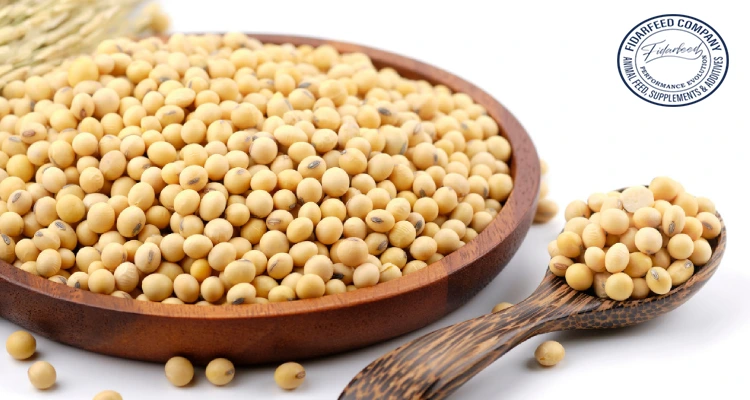
Soy has been the go-to protein in animal feed for decades. It’s widely available, relatively affordable, and offers a decent amino acid profile. But it’s not perfect.
For starters, soy cultivation is tied to environmental concerns such as deforestation and high water usage. It also poses issues for animals with sensitivities or specific dietary needs. For example, some monogastric animals like pigs and poultry may struggle with anti-nutritional factors in raw soybeans if not properly processed.
Learn more about: Alternative Protein & Energy Sources
In addition, the volatility of global soy markets means price spikes are an ongoing risk for breeders. These challenges have opened the door for alternative protein sources that can offer similar—or even better—nutritional value with added benefits like sustainability and cost control.
Nutritional Showdown of Alternative Protein Sources: What Are the Top Contenders?
The search for soy alternatives isn’t just theoretical. It’s already happening in farms and research labs around the world. Let’s look at the major contenders:
-
Insect-based proteins (e.g., black soldier fly larvae)
-
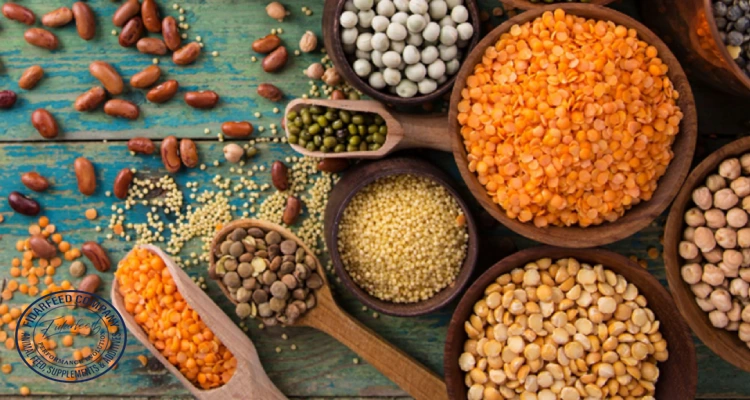
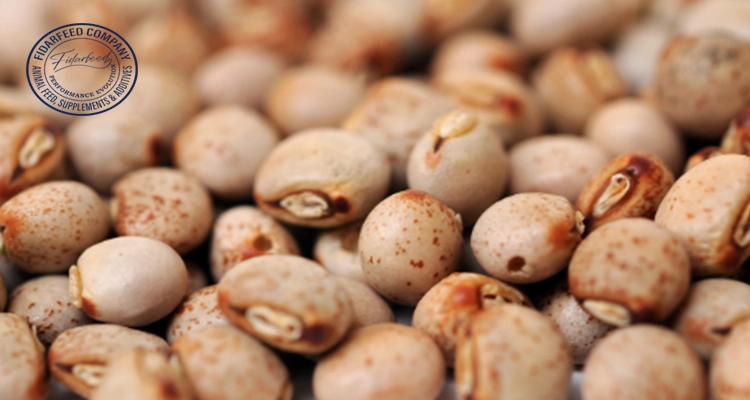
Legume-based proteins (e.g., peas, fava beans, lupins)
-
Algae-derived proteins (e.g., spirulina, chlorella)
-
Fermented and microbial proteins (e.g., yeast, single-cell proteins)
-
By-product meals (e.g., distillers dried grains with solubles – DDGS)
Learn more about: Global Market Analysis of Alternative Protein Sources in the Livestock Industry
These options are gaining attention not only for their nutritional value but also for their eco-friendly production methods. Some can be cultivated using agricultural waste or minimal resources—making them an attractive option for sustainability-conscious breeders.
Comparing Protein Power: Insect vs. Plant in the Nutritional Showdown of Animal Feed
Let’s talk specifics. Insect protein—especially from black soldier fly larvae (BSFL)—is rich in essential amino acids, lauric acid, and micronutrients. It’s also highly digestible, making it ideal for young or sensitive animals.
Plant-based proteins like peas and lupins are cost-effective and widely available but can have limitations in amino acid balance and digestibility. However, when used in blends or treated to reduce anti-nutritional factors, they become much more viable.
In a study published by Animal Feed Science and Technology, BSFL meal was shown to improve growth rates in broilers and piglets compared to traditional soybean meal. However, costs and regulatory approval in some regions remain a hurdle for large-scale adoption.
Learn more about: Economic Evaluation of Alternative Protein Sources in Livestock Farming
So, which wins? It depends on your goals. For health and digestibility, insect protein often comes out ahead. For budget-conscious feeding, plant proteins can hold their own when used wisely.
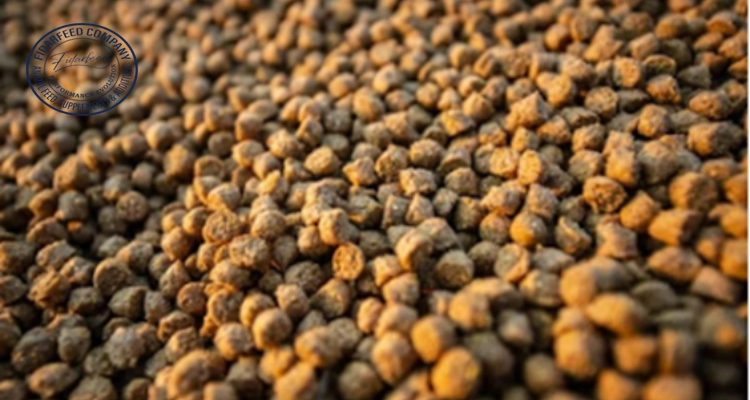
Are Algae, Yeast, and Fermented Proteins the Future of the Protein Showdown in Feed?
If you’re looking to feed the future, algae and microbial proteins are where innovation is happening fast.
-
Algae like spirulina contain up to 60–70% protein and are loaded with antioxidants, vitamins, and fatty acids.
-
Yeast-based proteins, including Saccharomyces cerevisiae, support gut health and immune function.
-
Single-cell proteins from fermented microbes provide excellent amino acid profiles and are already being trialed in aquaculture and poultry feed.
Learn more about: Processed Protein Concentrate
These proteins are produced in controlled environments, reducing the risk of contamination and improving consistency. Though currently more expensive, costs are expected to drop as production scales up.
Digestibility and Nutrient Absorption: What Breeders Need to Know
Nutritional value means nothing if the animal can’t absorb it.
Insect proteins generally score high on digestibility, especially in poultry and fish. Algae and yeast proteins also support gut microbiota, improving nutrient uptake. On the flip side, some legumes contain anti-nutritional compounds like trypsin inhibitors that interfere with protein digestion—unless properly processed.
Learn more about: Meat and Bone Meal for Poultry: Affordable Alternative to Soybean Meal
Digestibility also varies by animal type. Ruminants like sheep and cattle can handle fiber-rich sources, while monogastrics need more refined, easily digestible proteins. Always consider the species and life stage when evaluating protein options.
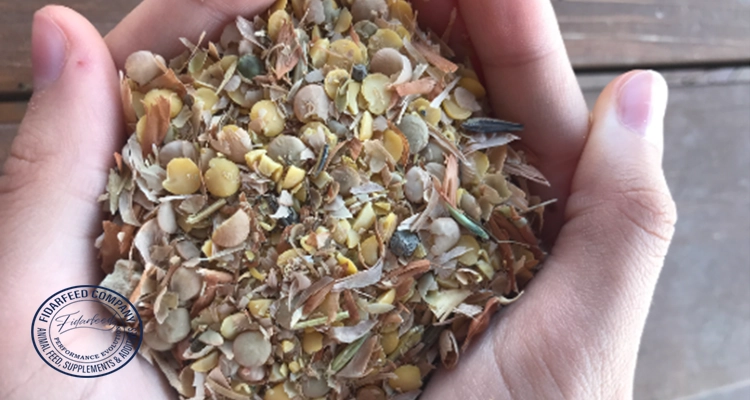
Cost vs. Benefit: Are Alternative Proteins Economically Viable for Breeders?
Here’s the million-dollar question: Can you afford to make the switch?
The short answer: yes—but smart planning is key. While some alternative proteins have higher upfront costs, their long-term benefits in animal performance, health, and feed efficiency can offset the price.
For instance, breeders using BSFL protein in aquaculture have reported better feed conversion ratios and reduced disease outbreaks, ultimately improving ROI. Meanwhile, blending lower-cost legumes with other protein sources can help maintain nutritional balance without breaking the bank.
Learn more about: biotechnology in animal feeds and animal feeding
Think of it this way: it’s not just what you spend—it’s what you get in return.
Matching Proteins to Species: Customizing the Nutritional Showdown for Each Animal
What works for chickens might not work for sheep. Each species—and even each stage of life—has unique nutritional demands.
-
Poultry benefit from insect and yeast proteins that support fast growth and immune health.
-
Sheep and cattle can process more fibrous proteins like fava beans or DDGS.
-
Dogs and cats thrive on high-quality, highly digestible proteins—algae and BSFL are especially promising in pet food.
-
Fish, particularly carnivorous species like salmon, need proteins close to those found in natural diets—making insect and microbial proteins a strong fit.
Learn more about: Top 10 Benefits of Bulk Animal Feed for Wholesalers
The key is to match the protein profile with the animal’s physiology and production goals.
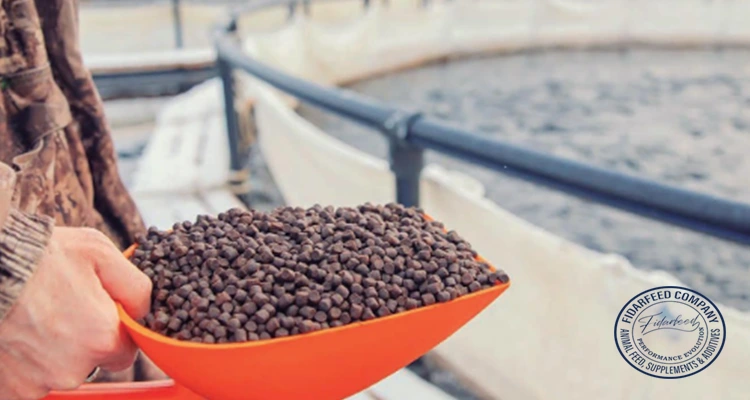
Real Results from the Protein Showdown: Breeders Succeeding Without Soy
Across the globe, breeders are putting theory into practice.
A poultry farm in Germany swapped 30% of its soy content for BSFL protein and saw a 12% improvement in feed conversion ratios within two months. In Kenya, a tilapia farm using spirulina as a supplement reported increased weight gain and resistance to disease.
Closer to home, small-scale sheep breeders in Australia are integrating lupin meal with yeast supplements, noting better wool quality and higher lambing success.
Learn more about: How to Spot Reliable Animal Feed Manufacturers
These stories aren’t just inspiring—they prove that alternative proteins work when implemented thoughtfully.
The Final Verdict in the Nutritional Showdown of Alternative Protein Sources
So, what’s the bottom line?
-
Alternative proteins are not just viable—they’re effective.
-
Insect and microbial proteins offer excellent digestibility and performance.
-
Plant-based and fermented options are economical and flexible.
-
Each protein has strengths and weaknesses depending on the species and situation.
Diversifying your protein sources can enhance animal health, support sustainability, and potentially reduce feed costs over time. It’s all about finding the right balance.
Getting Started with the Protein Showdown: How to Introduce Alternatives Safely
Transitioning doesn’t have to be overwhelming. Start small:
-
Blend new proteins into existing rations at low inclusion rates.
-
Monitor animal response, especially digestion and performance.
-
Consult nutritionists to ensure balanced formulations.
-
Keep records to track feed efficiency, growth rates, and health markers.
Learn more about: Finding a Trusted Animal Feed Supplier: Your Ultimate Guide
Gradual introduction minimizes risk and gives animals time to adapt. And as market access and research expand, you’ll have even more options to work with.
Conclusion
In today’s evolving animal feed landscape, the Nutritional Showdown of Alternative Protein Sources is more than just a trend—it’s a transformation. Breeders and feed professionals now have powerful tools to enhance animal health, improve sustainability, and navigate economic challenges.
Are you exploring alternatives to soy in your feed formulations? Have you tried insect, algae, or legume proteins? We’d love to hear your experiences, questions, and insights. Leave a comment below, share your story, or reach out with your thoughts. Let’s grow and learn—together.