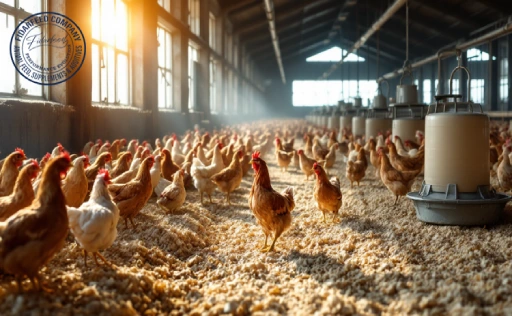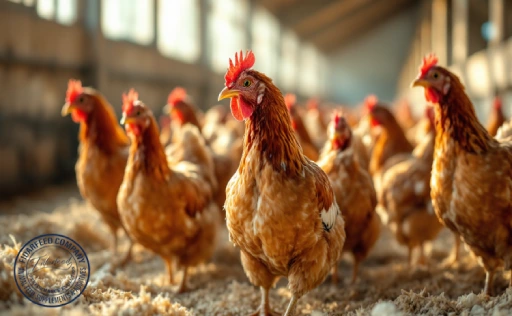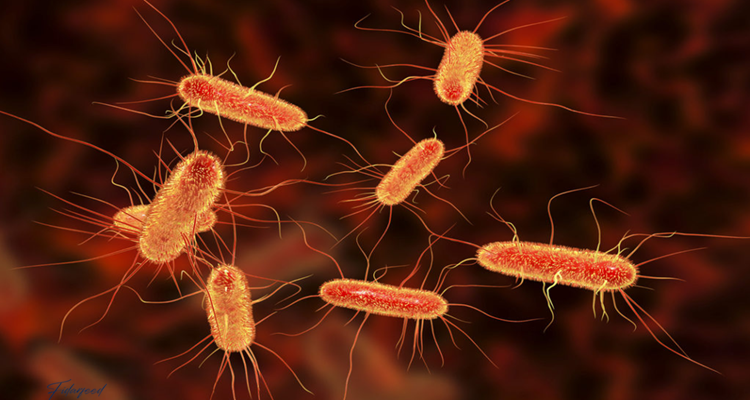
As the livestock and poultry industry evolves, the role of microbiology in animal feed additives is becoming more essential than ever. Farmers and feed specialists alike are turning to microbiology to improve feed efficiency, enhance animal health, and produce safer, more sustainable food. But what does this actually mean for you as a breeder or someone involved in the feed industry? This article explores how microorganisms—tiny, invisible helpers—can have a massive impact on your operation. Read on to discover how science is shaping the future of animal nutrition.
Why the Role of Microbiology in Animal Feed Additives Is More Important Than Ever
In the past, animal nutrition focused mainly on energy, protein, and mineral levels. Today, we know that what happens inside the animal’s gut is just as important—and microbiology plays a key role there. Microbes such as bacteria, yeasts, and fungi are now used to enhance feed quality and animal performance.
Learn more about: Alternative Feed Ingredient
With rising concerns about antibiotic resistance, environmental sustainability, and feed costs, microbiology offers practical, science-based solutions. It helps breeders reduce reliance on chemicals while supporting animal welfare and productivity. Simply put, understanding and using microbiology is no longer optional—it’s a smart move for anyone serious about modern livestock farming.
How Beneficial Microorganisms Improve Animal Health and Performance
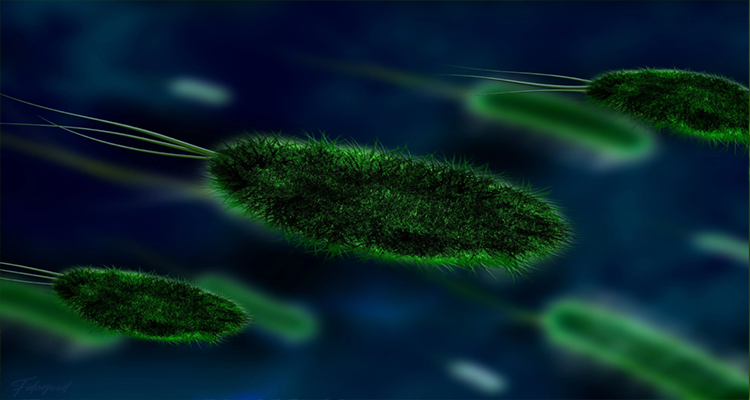
Not all bacteria are harmful. In fact, some are essential for health. Beneficial microorganisms introduced through feed additives can support digestion, strengthen the immune system, and even reduce stress in animals.
Learn more about: Smart Shopping: The Probiotic Online Buyer’s Guide for Animal Feed Supplements
For instance, probiotics (live beneficial bacteria) colonize the gut and prevent harmful pathogens from taking hold. Enzymes produced by microbes help break down tough plant fibers and anti-nutritional factors in feed, making nutrients more available to the animal. The result? Better growth rates, improved feed conversion ratios, and healthier animals—naturally.
The Science Behind Microbial Feed Additives: What Every Breeder Should Know
So how exactly do these microbial additives work? In simple terms, they function by interacting with the gut microbiota—the complex community of microorganisms living in the digestive tract. When this ecosystem is balanced, animals digest feed more efficiently and resist infections more effectively.
Microbial feed additives may include probiotics (live bacteria), prebiotics (non-digestible ingredients that feed beneficial bacteria), enzymes, or fermentation byproducts. Each type works slightly differently but contributes to a common goal: enhancing gut health and nutrient utilization.
Learn more about: Top Bentonite Manufacturers for Animal Feed: What to Look For
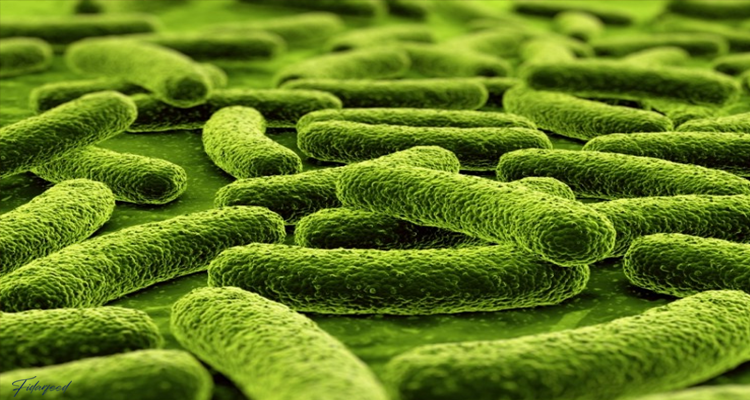
For example, Bacillus species used in some probiotic formulations are spore-forming, which means they survive feed processing and activate in the animal’s gut. This makes them highly effective even in pelleted feeds.
Probiotics in Animal Nutrition: A Natural Solution Backed by Microbiology
Probiotics are one of the most widely recognized microbial additives. These are live microorganisms that, when administered in adequate amounts, offer health benefits to the host animal.
Research shows that probiotics can help balance intestinal flora, reduce harmful bacteria like E. coli or Salmonella, and lower the incidence of diarrhea in young animals. They also play a role in producing short-chain fatty acids that nourish the gut lining and modulate immune responses.
Learn more about: Meat Meal in Animal Feed: What It Is, How It’s Made, and Why It Matters
In broiler chickens, for instance, trials have shown that probiotic supplementation can lead to higher body weight gains and lower feed conversion ratios, while in dairy cows, they help improve milk yield and reduce digestive disorders.
Enzymes and Fermentation Products: Microbial Tools for Better Feed Efficiency
Microbial enzymes are another key category of additives. These are proteins produced by microbes that catalyze the breakdown of complex feed components like starches, fibers, and proteins.
For example, phytase—an enzyme produced by specific microbial strains—helps release phosphorus from plant material, making it more digestible. This reduces the need for supplemental phosphorus and cuts down on environmental phosphorus waste.
Learn more about: Your Essential Checklist When Selecting Bulk Animal Feed Suppliers
Fermentation products, such as organic acids or yeast metabolites, also support digestion and microbial balance. These additives often improve gut integrity and reduce oxidative stress, especially in high-stress periods like weaning or transportation.
How Microbiology Helps Reduce Antibiotic Use in Animal Farming
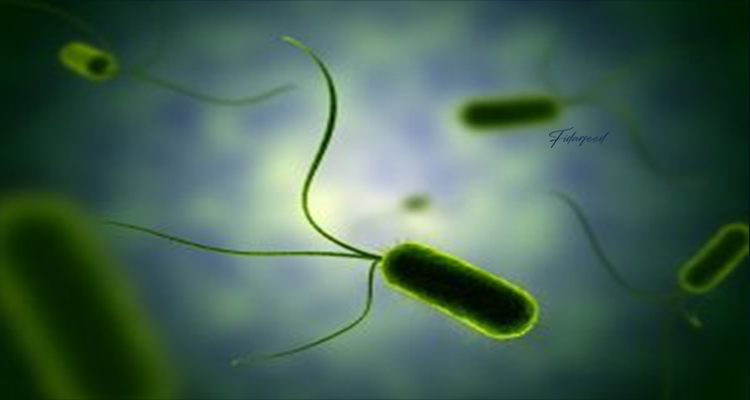
One of the most important benefits of microbiology in feed is its role in reducing the need for antibiotics. Antibiotic growth promoters (AGPs) have been widely used, but increasing regulations and public concern are pushing the industry to find safer alternatives.
Microbial additives support gut health in a way that mimics the benefits of AGPs—without the side effects. By strengthening the animal’s natural defenses and maintaining microbial balance in the gut, these additives reduce the risk of infections and lower overall antibiotic dependence.
Learn more about: biotechnology in animal feeds and animal feeding
This shift not only helps maintain animal health but also protects consumers and preserves the effectiveness of antibiotics for human medicine.
Microbial Safety and Quality Control in Feed Additives: What You Need to Know
Using microbes in feed requires strict safety standards. Only well-characterized, non-pathogenic strains are approved for use. Quality control begins at the lab level and continues through manufacturing and storage.
Manufacturers conduct rigorous testing to ensure microbial strains are stable under various feed processing conditions like heat or pressure. Additives must also maintain viability during storage and mixing.
Learn more about: Wholesale & Retail Ready-Made Animal Feed at Competitive Prices
As a breeder or feed specialist, always choose products backed by clear scientific documentation and safety data. Reliable microbial additives are carefully produced, tested, and standardized to deliver consistent results.
Real-World Results: What Farmers Are Seeing from Microbiology-Based Feed Additives
Across different livestock systems, farmers are seeing real improvements thanks to microbial feed additives. In swine production, for instance, probiotics have reduced pre-weaning mortality and improved weight gain in piglets. In poultry, enzyme blends have enabled producers to use more cost-effective feed ingredients like wheat or barley without sacrificing performance.
Learn more about: Microencapsulation for Enhanced Animal Feed Additives
In ruminants, certain yeast cultures have enhanced fiber digestion, leading to more milk per kilogram of feed consumed. These outcomes don’t just benefit animal health—they boost profitability and sustainability at the farm level.
Challenges and Future Trends in Microbiology for Animal Feed
Despite the benefits, microbiology in feed isn’t without its challenges. Some microbial strains may behave differently depending on species, age, diet, or environment. Shelf life, processing conditions, and regulatory hurdles can also impact product performance.
Looking forward, the future is promising. Advances in microbiome research, genetic engineering, and precision nutrition are opening new doors. Customized microbial solutions—tailored to specific animal breeds, feed formulations, or climates—are on the horizon.
This means more precise, data-driven feeding strategies that improve efficiency while reducing environmental impact.
What the Role of Microbiology in Animal Feed Additives Means for You as a Breeder
For you, as a breeder or feed professional, embracing microbiology isn’t just a scientific trend—it’s a practical pathway to healthier animals, improved productivity, and more sustainable farming. Whether you’re dealing with feed conversion issues, disease challenges, or rising input costs, microbial additives can offer real, evidence-based solutions.
Understanding the role of microbiology in animal feed additives empowers you to make smarter choices. It’s about working with nature, not against it, to unlock the full potential of your livestock.
Learn more about: Nanotechnology in Animal Feed Additives: Enhancing Efficiency and Animal Health
Conclusion
The role of microbiology in animal feed additives is transforming how we raise animals, care for their health, and optimize feed use. From boosting digestion to replacing antibiotics and reducing costs, microbial additives bring science to life in everyday farm practices.
We invite you to share your thoughts—have you used microbial additives in your operation? What results did you see? Leave a comment, ask questions, or join the discussion. Your insight could help others in the community move toward better, more sustainable animal nutrition.